
Swearing may unlock hidden strength, study finds
Blurting out a swear word during a frustrating moment often brings a sense of relief. Research now suggests it
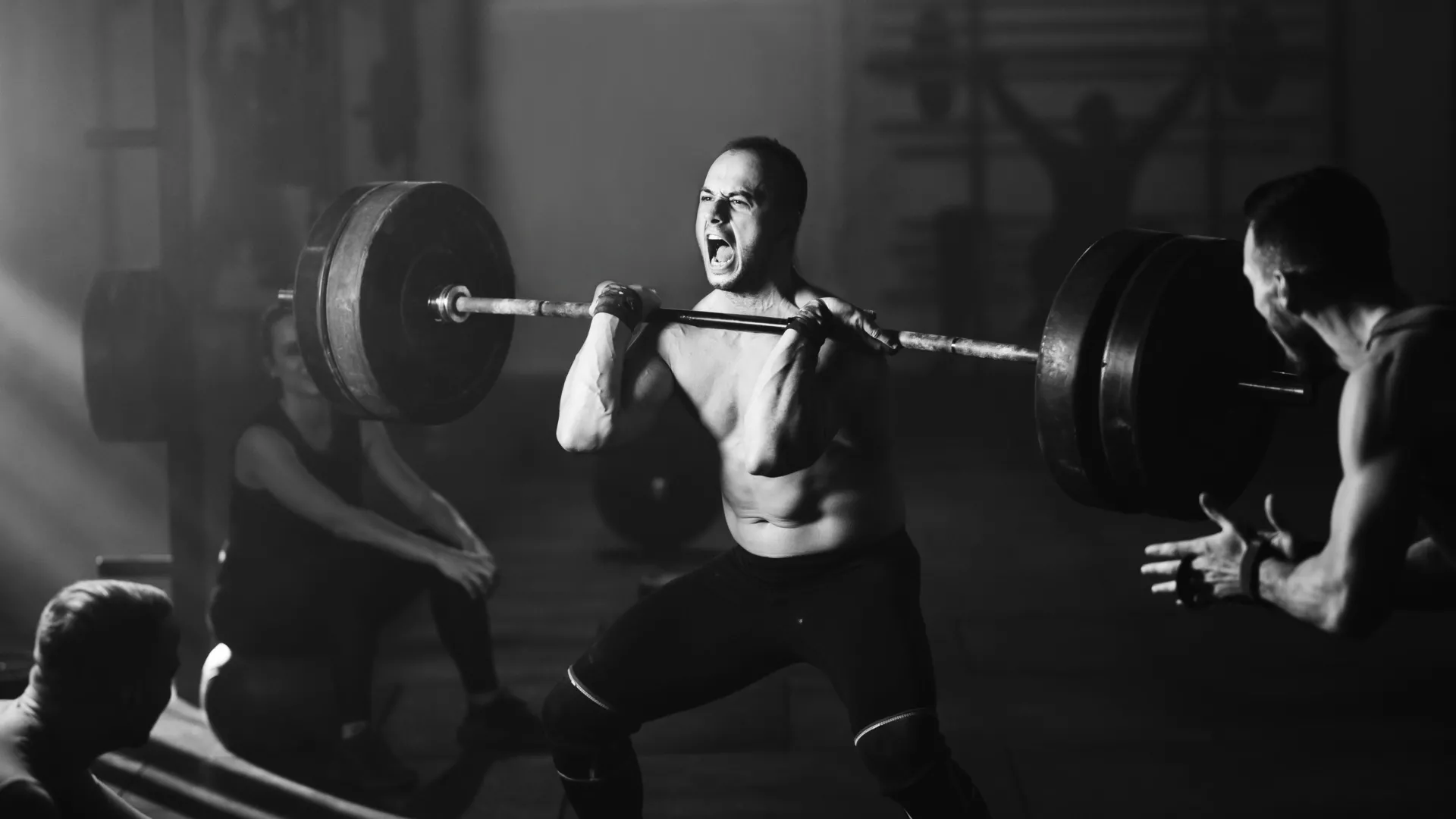
Blurting out a swear word during a frustrating moment often brings a sense of relief. Research now suggests it may also offer a physical advantage. According to findings published by the American Psychological Association, swearing can help people perform better on tasks that demand strength and endurance by reducing mental restraint and encouraging greater effort.
“In many situations, people hold themselves back — consciously or unconsciously — from using their full strength,” said study author Richard Stephens, PhD, of Keele University in the U.K. “Swearing is an easily available way to help yourself feel focused, confident and less distracted, and ‘go for it’ a little more.”
The study was published in the journal American Psychologist.
Earlier Evidence Linking Swearing and Endurance
Past research by Stephens and other scientists has consistently shown that swearing is linked to improved performance in physically demanding situations. These effects have been observed in challenges such as keeping a hand submerged in ice water for longer periods and sustaining body weight during a chair push-up exercise.
“That is now a well replicated, reliable finding,” Stephens said. “But the question is — how is swearing helping us? What’s the psychological mechanism?”
How Swearing May Reduce Mental Restraint
Stephens and his research team suspected that swearing works by shifting people into a more disinhibited mental state. In this state, individuals may feel less restricted by social norms and internal hesitation, allowing them to apply more effort.
“By swearing, we throw off social constraint and allow ourselves to push harder in different situations,” he said.
Testing the Effect in Controlled Experiments
To examine this idea, the researchers carried out two experiments involving a total of 192 participants. In both experiments, participants completed a chair pushup task while repeating either a swear word of their choosing or a neutral word every two seconds. After finishing the task, they answered questions about how they felt during the exercise.
The surveys assessed several mental factors associated with disinhibition. These included levels of positive emotion, how amusing participants found the task, how distracted they felt, and how confident they felt. The researchers also measured psychological “flow,” which describes a state of deep focus and immersion in an activity.
Why Swearing May Enhance Performance
The results reinforced earlier findings. Participants who swore during the chair pushup task were able to hold their body weight for significantly longer than those who repeated a neutral word. When the researchers combined data from the two experiments with results from an earlier study, they found that the performance advantage was linked to higher levels of reported psychological flow, distraction, and self-confidence, which are key elements of a disinhibited state.
“These findings help explain why swearing is so commonplace,” said Stephens. “Swearing is literally a calorie neutral, drug free, low cost, readily available tool at our disposal for when we need a boost in performance.”
Exploring New Situations Beyond Exercise
The research team plans to investigate whether the benefits of swearing extend beyond physical challenges. According to study co-author Nicholas Washmuth, DPT, of the University of Alabama in Huntsville, future studies will focus on situations where hesitation often limits performance.
“Our labs are now studying how swearing influences public speaking and romantic approach behaviors, two situations where people tend to hesitate or second-guess themselves,” he said.