

Why some people keep making the same bad decisions
People constantly take in information from their surroundings, including visual details and background sounds. Over time, the brain learns
People constantly take in information from their surroundings, including visual details and background sounds. Over time, the brain learns to connect these cues with what usually happens next. For example, a familiar sign, sound, or setting can signal whether a choice is likely to lead to a reward or a negative outcome. This process is known as associative learning, which simply means learning through repeated connections between cues and results. In everyday life, this kind of learning helps people make faster and often better decisions.
However, this system does not work the same way for everyone. For people with compulsive disorders, addictions, or anxiety, these learned associations can become overly powerful. Instead of serving as helpful guides, cues may start to dominate decision making. Individuals may feel pulled toward certain sights or sounds or strongly driven to avoid them, even when doing so leads to poor outcomes.
Studying Biased Decision Making
To better understand how this happens, Giuseppe di Pellegrino of the University of Bologna led a study focused on how people learn from cues and how this learning can sometimes go wrong. The research examined maladaptive decision making, which refers to choices that continue to cause harm or disadvantage despite repeated negative consequences.
As described in their JNeurosci paper, the researchers found that people differ widely in how much they rely on environmental cues when making decisions. Some individuals depend heavily on surrounding visuals and sounds to guide their choices, while others rely on them far less.
Why Some People Struggle to Adapt
The study also revealed an important problem for those who are highly cue driven. When familiar cues start to signal riskier or less favorable outcomes, these individuals often struggle to adjust. They may have difficulty updating their beliefs about what those cues mean and unlearning old associations that no longer apply. In practical terms, this means the brain keeps responding as if nothing has changed, even when the situation clearly has.
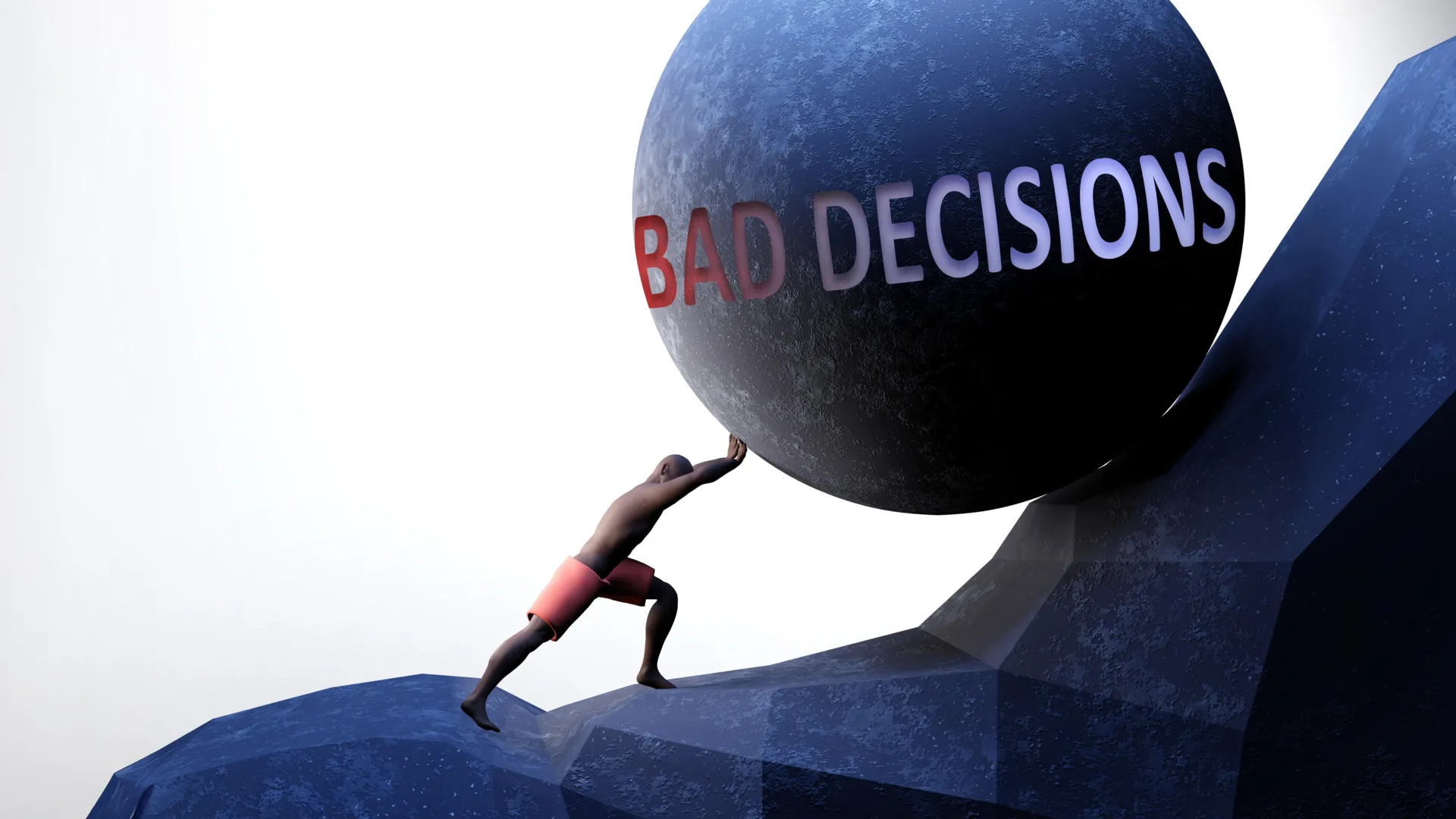
As a result, disadvantageous decision making can persist over time. Instead of adapting to new information, people may repeat the same risky or harmful choices again and again.
Implications for Addiction and Anxiety
According to the researchers, these findings suggest that some people have stronger cue sensitivity than others, combined with a reduced ability to revise what they have learned about those cues. This combination may help explain why certain decision patterns are so hard to break.
The research team plans to continue studying associative learning in patient populations. Their goal is to better understand whether the harmful decision patterns — which characterize addictions, compulsive disorders, and anxiety — are more likely to occur in people who are especially sensitive to the sights and sounds that influence their choices.