


Why my 2026 fitness resolution is all about getting mobile
Improving mobility is a great goal for 2026 Sally Anderson / Alamy It is that time of year again:
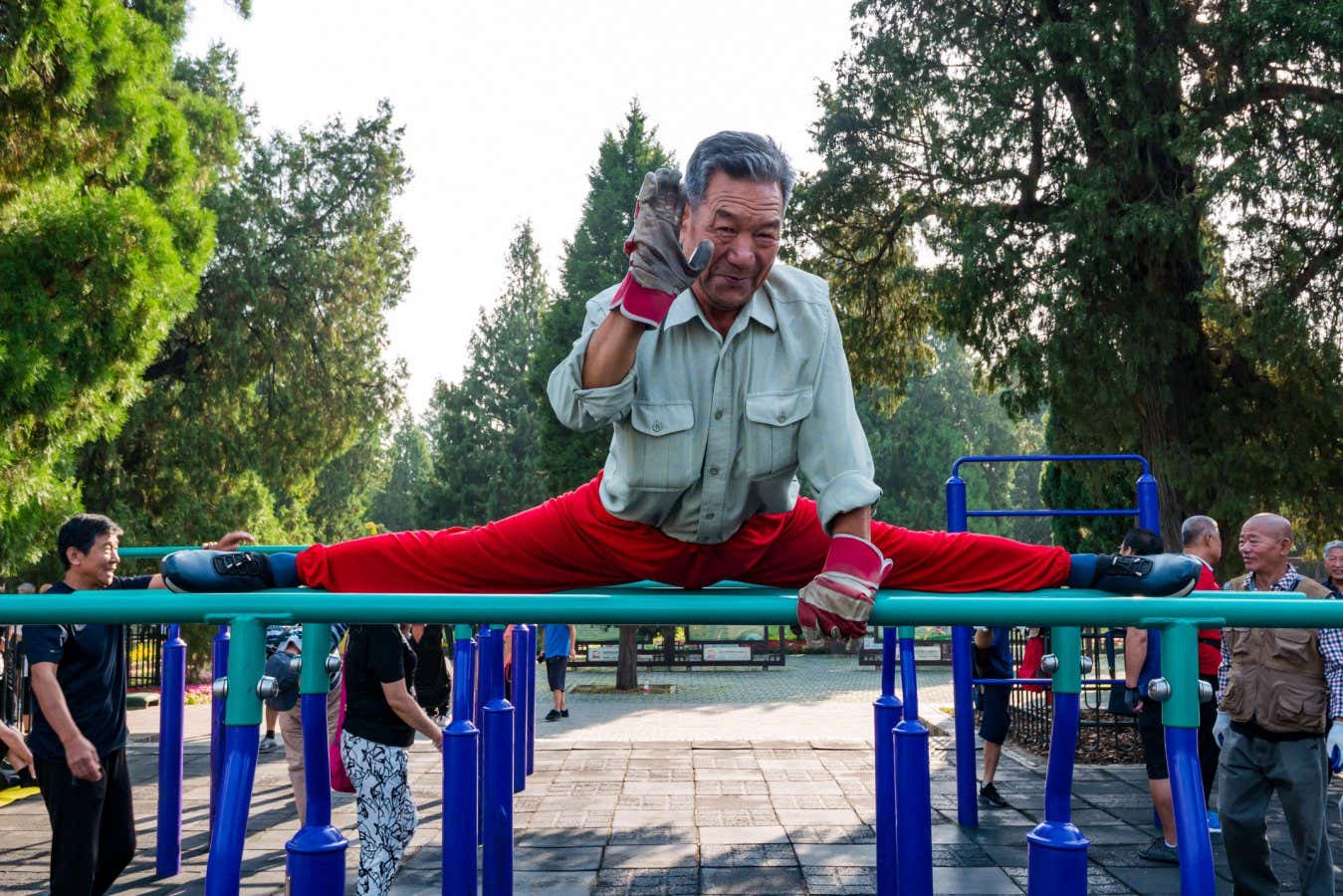
Improving mobility is a great goal for 2026
Sally Anderson / Alamy
It is that time of year again: New Year’s resolutions. Last year, mine was to run a half-marathon, a goal I had failed to meet many times before. I am pleased to announce that I crossed the finish line in 2025, and learned a lot about New Year’s fitness resolutions along the way.
My biggest takeaway is that it is very helpful to set a specific, measurable goal. I wasn’t a runner this time last year. In fact, I despised running. I easily could have chosen a more nebulous resolution, such as “start running” or “run consistently”. But I suspect that wouldn’t have done the trick.
Why? Because building fitness is tough, especially at first. Every run in my first couple of months felt just as challenging as the last. If I hadn’t set out to complete a race, I probably would have decided I had done enough running.
That is why I am glad I chose the half-marathon goal. It kept me focused, even when I struggled. It also forced me to add running into my workout routine, whether I liked it or not. And I am pleased to say that I now love running. I do it routinely. This discovery has convinced me of the value of New Year’s fitness resolutions. While they may be only annual goals, they can help build lasting habits. Case in point: a 2020 study of more than 1000 participants found that 55 per cent considered themselves successful in sustaining their New Year’s resolutions a year later.
So, with this in mind, I am getting creative with my 2026 fitness resolution and targeting an often-overlooked aspect of fitness: mobility. This refers to the body’s ability to move through a full range of motion, which is important for preventing injuries. A 2019 analysis of 20 studies found that participants with poor mobility were about 50 per cent more likely to develop injuries than the most agile participants.
This could explain results from another study of more than 3100 people, which found that greater flexibility was associated with a significantly lower risk of dying over a 13-year period. Stretching has also been shown to improve heart health. A 2020 study found regular stretching decreased stiffness in arteries and lowered heart rate and blood pressure.
To help build this habit, I have decided my New Year’s resolution is to do the splits. It may seem a bit silly, but I believe this measurable and specific outcome will help me stick to my mobility routine.
Of course, the splits aren’t for everyone. The broader point is to choose a resolution that aligns with your fitness aspirations, and make it concrete enough to know when you have achieved it. I also want to encourage you to think outside the box. If you want to get stronger, try working towards an unassisted pull-up. Or, to boost longevity, focus on improving how long you can balance on one leg. Ultimately, the trick is to set a resolution with a clear finish line, one that will leave you feeling accomplished once you cross it.
These articles are posted each week at
newscientist.com/maker
Grace Wade is a health reporter for New Scientist. You can sign up to her newsletter, Eight Weeks to a Healthier You, at newscientist.com/healthier-you
Topics: