



What you eat could decide the planet’s future
eople, the holidays often bring joyful indulgence, followed by regret and ambitious New Year’s resolutions to eat better. A
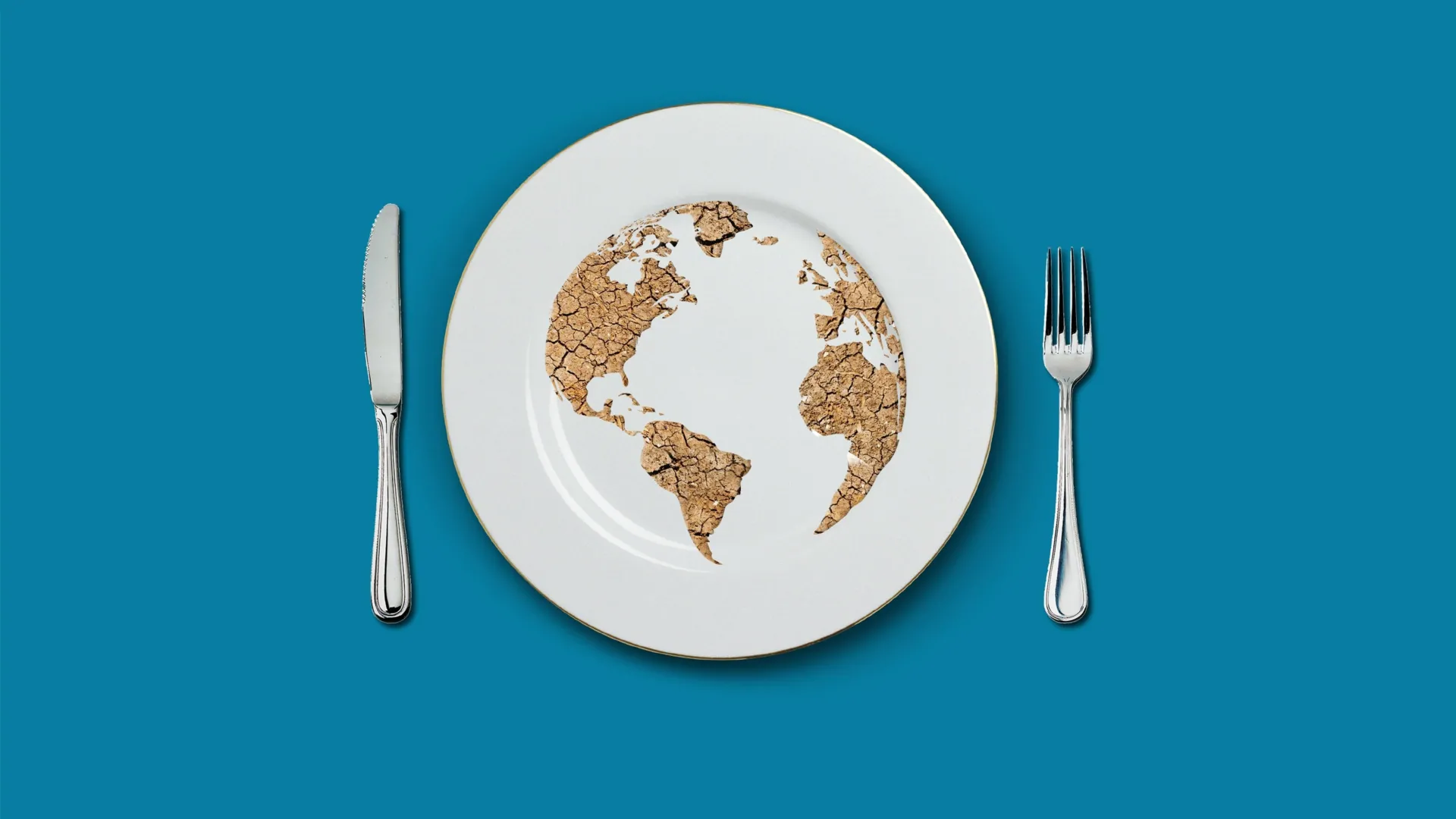
A recent study from the University of British Columbia suggests moderation should not be a seasonal goal but a long-term one. The research found that 44 percent of the global population would need to change their eating habits to keep global warming below 2 °C.
The study was led by Dr. Juan Diego Martinez while he was a doctoral student at UBC’s Institute for Resources, Environment and Sustainability. He explains what the research uncovered and outlines practical diet changes that could make a real difference.
What did you find?
Half of us globally and at least 90 percent of Canadians need to change our diets to prevent severe planetary warming. And that number is conservative, because we used 2012 data. Since then, emissions and the world’s population have both increased. Looking ahead to 2050, we found that 90 percent of us will need to be eating differently.
We looked at data from 112 countries, accounting for 99 percent of food-related greenhouse gas emissions globally, and divided each country’s population into 10 income groups. We calculated a food emissions budget for each person by combining emissions from food consumption, global food production and supply chains, and compared these emissions to the total the world can afford if we want to stay below 2 °C of warming.
Why focus on dietary changes rather than, say, flying less?
The world’s food systems are responsible for more than one-third of all human greenhouse gas emissions.
We found that the 15 percent of people who emitted the most account for 30 percent of total food emissions, equaling the contribution of the entire bottom 50 percent. This select group consists of the wealthiest people in high emissions countries, including the Central African Republic, Brazil and Australia.
Even though this group is emitting a lot, there is a much higher number of people whose diets are above that cap. This is why half, not just the richest, of the global population needs to change diets. In Canada, all 10 income groups are above the cap.
Debates around flying less, driving electric and buying fewer luxury goods are valid: We need to reduce emissions any way we can. However, food emissions are not just a problem for the richest — we all need to eat, so we can all make a change. For people who are both flying frequently and eating lots of beef, it’s not an either/or: Try to reduce both.
What changes can we make to our diets?
Eat only what you need. Repurpose what you don’t. Less wasted food means fewer emissions, less cooking and more easy, tasty leftovers.
Eliminate or reduce your beef consumption — 43 percent of food-related emissions from the average Canadian come from beef alone. We could have had our beef and eaten it too if we’d followed the agreements laid out in the Kyoto Protocol, but we’re now at a point where food emissions also need to fall to avoid the worst of climate change.
I grew up in Latin America where eating a lot of beef is part of the culture, so I get how much of an ask this is. But we just can’t deny the data anymore.
Vote with your fork. This is a first step to demand change from your political leaders. The more we talk about our own dietary changes and what matters to us, the more politicians will begin to care about policies that bring positive changes to our food systems.