

Vitamin A may be helping cancer hide from the immune system
Researchers at the Princeton University Branch of the Ludwig Institute for Cancer Research have uncovered new ways a vitamin
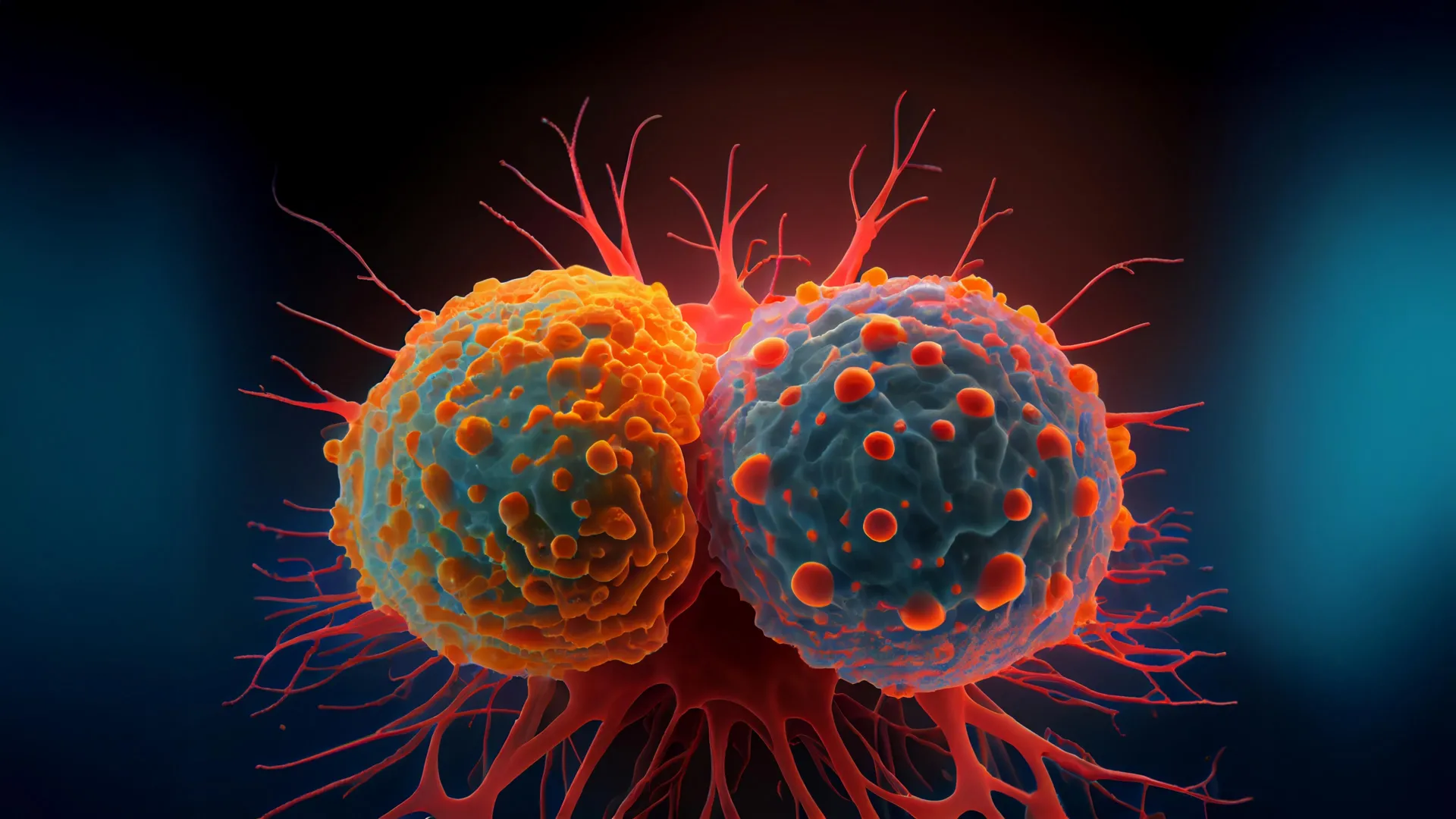
Researchers at the Princeton University Branch of the Ludwig Institute for Cancer Research have uncovered new ways a vitamin A-derived molecule can interfere with the immune system’s ability to fight cancer. The molecule, known as all-trans retinoic acid, was found to weaken natural anti-cancer immune responses and, under certain conditions, reduce the effectiveness of a promising type of cancer vaccine.
Vitamin A metabolites, also called retinoids, have long sparked debate because of their mixed effects on health and disease. The new findings, described across two scientific papers, help clarify this long-standing controversy. They also led to the development of the first experimental drugs designed to shut down the cellular signaling pathway triggered by retinoic acid.
How Retinoic Acid Undermines Cancer Vaccines
One of the studies, published in Nature Immunology, was led by Ludwig Princeton researcher Yibin Kang and graduate student Cao Fang. The team found that retinoic acid produced by dendritic cells (DCs), key immune cells responsible for activating immune defenses, can reprogram these cells in a way that promotes tolerance toward tumors.
This tolerance significantly reduces the effectiveness of dendritic cell vaccines, a type of immunotherapy designed to train the immune system to recognize and attack cancer. The researchers also described the creation and preclinical testing of a drug that blocks retinoic acid production in both cancer cells and DCs. The compound, KyA33, improved the performance of DC vaccines in animal studies and also showed potential as a stand-alone cancer immunotherapy.
A New Strategy to Block Retinoid Signaling
A second study, led by former Kang lab graduate student Mark Esposito and published in the journal iScience, focused on designing drugs that inhibit retinoic acid production and disable retinoid signaling altogether. Although scientists have studied retinoids for more than a century, attempts to create drugs that safely block their signaling have repeatedly failed.
The approach described in this study combined computational modeling with large-scale drug screening. This strategy provided the framework used to develop KyA33, marking a major advance in targeting a pathway that had resisted drug development for decades.
Broad Implications for Cancer Immunotherapy
“Taken together, our findings reveal the broad influence retinoic acid has in attenuating vitally important immune responses to cancer,” said Kang. “In exploring this phenomenon, we also solved a longstanding challenge in pharmacology by developing safe and selective inhibitors of retinoic acid signaling and established preclinical proof of concept for their use in cancer immunotherapy.”
A Deadly Form of Immune Tolerance
Retinoic acid is produced by an enzyme called ALDH1a3, which is often found at high levels in human cancer cells. A related enzyme, ALDH1a2, produces retinoic acid in certain subsets of DCs.
Once generated, retinoic acid activates a receptor inside the cell nucleus, launching a signaling cascade that changes gene activity. In the gut, this process is known to promote the formation of regulatory T cells (Tregs), which help prevent harmful autoimmune reactions. Until now, however, scientists did not understand how retinoic acid affects dendritic cells themselves.
Why Dendritic Cells Matter in Cancer Defense
Dendritic cells play a central role in coordinating immune responses. They continuously survey the body for signs of infection or cancer. When they detect danger, they process fragments of abnormal proteins and present them as antigens to T cells, which then seek out and destroy diseased or cancerous cells.
Dendritic cell vaccines are created by collecting immature immune cells from a patient’s blood and growing them in the laboratory alongside antigens taken from that patient’s tumor. These primed cells are then returned to the patient with the goal of triggering a powerful anti-tumor immune response.
Despite improvements in identifying suitable cancer antigens, these vaccines often fail to perform as hoped. Fang, Kang, and their colleagues, including Esposito and Princeton Branch Director Joshua Rabinowitz, set out to understand why.
How Vaccine Production Triggers Immune Suppression
“We discovered that under conditions commonly employed to produce DC vaccines, differentiating dendritic cells begin expressing ALDH1a2, producing high levels of retinoic acid,” said Fang. “The nuclear signaling pathway it activates then suppresses DC maturation, diminishing the ability of these cells to trigger anti-tumor immunity. This previously unknown mechanism likely contributes to the largely suboptimal performance of DC and other cancer vaccines that has been repeatedly seen in clinical trials.”
The problem does not stop there. Retinoic acid released by DCs also encourages the formation of macrophages that are less effective at fighting cancer. As these macrophages accumulate in place of functional DCs, the overall impact of DC vaccines is further reduced.
Restoring Immune Power With a New Drug
The researchers demonstrated that blocking ALDH1a2, either through genetic techniques or with KyA33, restores dendritic cell maturation and their ability to activate immune defenses. DC vaccines created in the presence of KyA33 generated strong, targeted immune responses in mouse models of melanoma. These responses delayed tumor development and slowed cancer progression.
When administered directly to mice, KyA33 also worked as an independent immunotherapy, reducing tumor growth by stimulating the immune system.
Solving the Vitamin A Cancer Paradox
Developing inhibitors that target ALDH1a2 and ALDH1a3 represents a major scientific achievement. Of the twelve classic nuclear receptor signaling pathways, the retinoic acid pathway was the first discovered and the only one that had not yet been successfully targeted by drugs.
The iScience study details the computational and experimental approach used to overcome this challenge. With these new compounds, the researchers were finally able to explain a long-standing paradox surrounding vitamin A and cancer.
In laboratory experiments, retinoic acid can cause cancer cells to stop growing or die, contributing to the belief that vitamin A has anti-cancer properties. Yet large clinical trials and other evidence show that high vitamin A intake increases the risk of cancer (and cardiovascular disease) and raises mortality rates. High levels of ALDH1A enzymes in tumors are also linked to worse survival across many cancers. Previous attempts to separate the functions of ALDH1A enzymes from retinoic acid production had largely failed.
How Cancer Exploits Retinoic Acid
“Our study reveals the mechanistic basis for this paradox,” said Esposito. “We’ve shown that ALDH1a3 is overexpressed in diverse cancers to generate retinoic acid, but that cancer cells lose their responsiveness to retinoid receptor signaling, avoiding its potential anti-proliferative or differentiating effects. This explains, in part, the paradox of vitamin A’s effects on cancer growth.”
The researchers also found that retinoic acid primarily affects the immune environment around tumors rather than the cancer cells themselves. By entering the tumor microenvironment, retinoic acid suppresses immune responses, including the activity of T cells that normally target cancer.
To confirm this, the team showed that ALDH1a3 inhibitors stimulated strong immune attacks against tumors in mouse models, demonstrating their potential as powerful immunotherapies.
Toward New Treatments for Cancer and Beyond
“By developing candidate drugs that safely and specifically inhibit nuclear signaling through the retinoic acid pathway, we are paving the way for a novel therapeutic approach to cancer,” said Kang.
Esposito and Kang have since launched a biotechnology company, Kayothera, to advance these ALDH1A inhibitors into clinical testing. The company aims to develop treatments for multiple diseases influenced by retinoic acid, including cancer, diabetes and cardiovascular disease.
Funding and Research Support
The Nature Immunology study was supported by the Ludwig Institute for Cancer Research, the Brewster Foundation, the Susan Komen Foundation, Metavivor Breast Cancer Research, the Breast Cancer Research Foundation and the American Cancer Society.
The iScience study received support from the Ludwig Institute for Cancer Research, the New Jersey Health Foundation, the Brewster Foundation, the Susan Komen Foundation, the Breast Cancer Research Foundation, the American Cancer Society and the National Science Foundation.
Yibin Kang is a member of the Princeton Branch of the Ludwig Institute for Cancer Research, the Warner-Lambert/Parke-Davis Professor of Molecular Biology at Princeton University, and an Associate Director of Rutgers Cancer Institute of New Jersey.