


US Air Force tests new, rapidly developed cruise missile
On Jan. 21, the Air Force conducted a live warhead test of a new standoff cruise missile that was
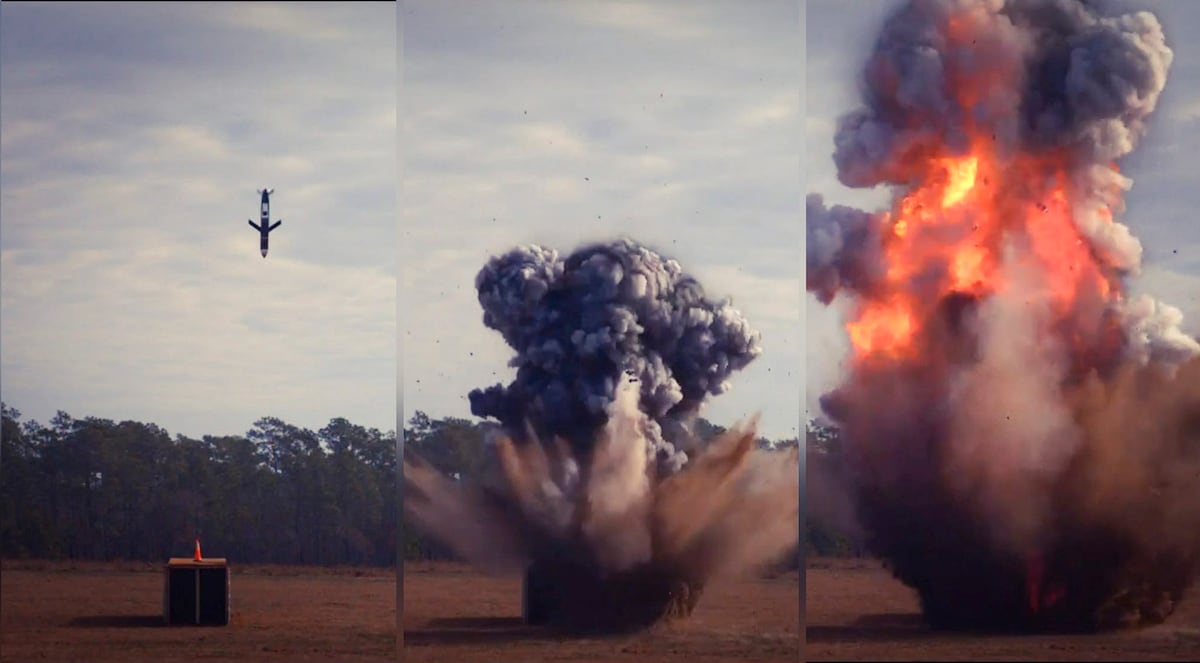
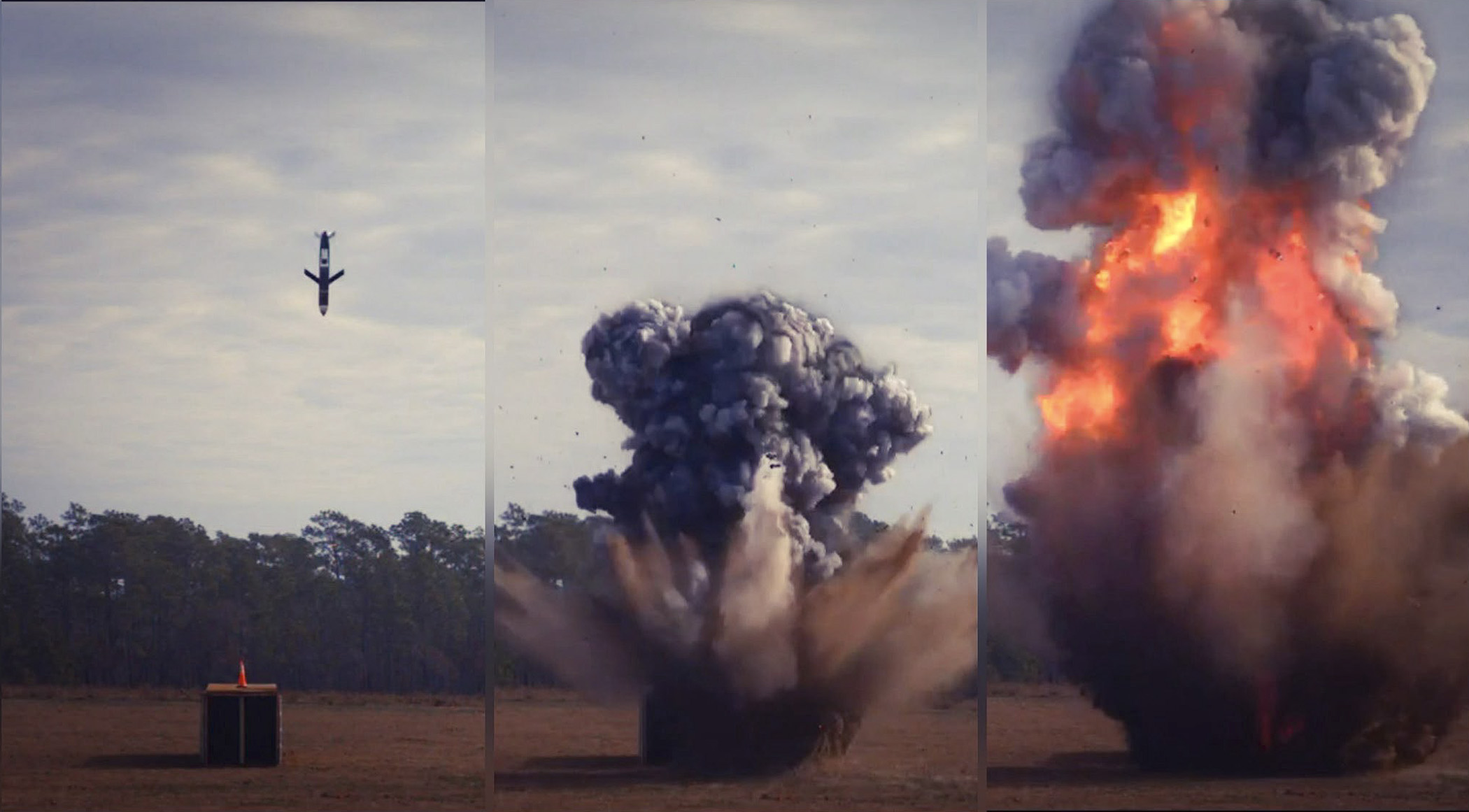
On Jan. 21, the Air Force conducted a live warhead test of a new standoff cruise missile that was developed in less than a year and a half.
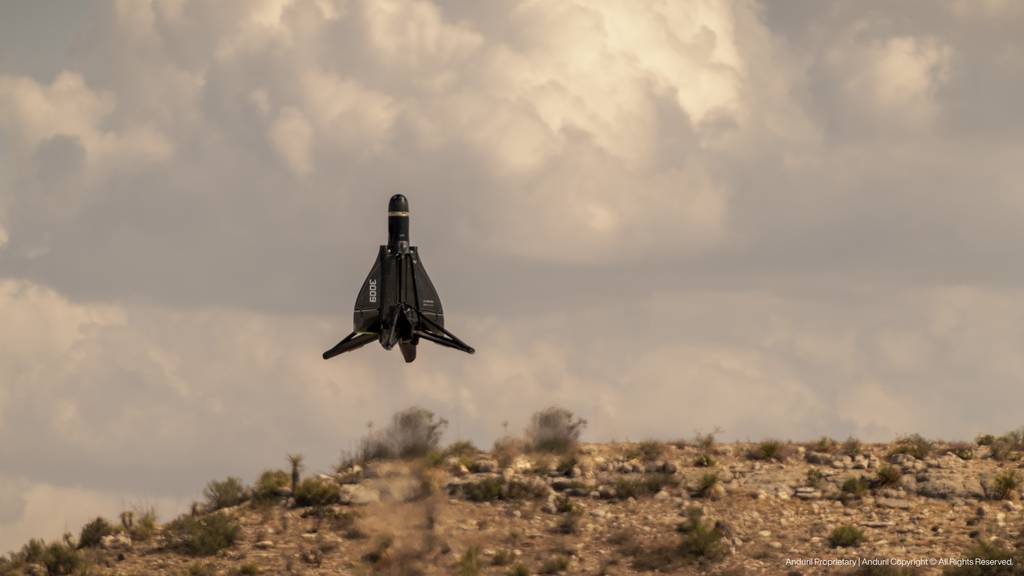
The Extended Range Attack Munition, or ERAM, is an air-launched cruise missile that is designed to allow the Air Force to strike high-value fixed targets from standoff range with precision guidance, at an affordable cost.
The Air Force awarded the ERAM contract just 16 months ago to the small firms of Zone 5 Technologies and CoAspire. The Air Force wants ERAMs to be quickly built to bolster its ability to deter enemies.
“Moving from a contract to a live-fire demonstration in under two years proves we can deliver lethal, cost-effective capability at the speed of relevance,” Brig. Gen. Robert Lyons III, the Air Force’s weapons portfolio acquisition executive, said in a Jan. 30 statement. “This is how we rebuild our military — by empowering our teams and industry partners to cut through bureaucracy and deliver the tools our warfighters need to prevail.”
The test was conducted at Eglin Air Force Base in Florida, and involved the Air Force Life Cycle Management Center’s Armament Directorate, the 96th Test Wing and industry partners, the Air Force said. The Air Force said the test met all primary objectives, including a full detonation of its warhead. The data Eglin’s engineers collected will be used to help further refine and mature the ERAM design.
“The future fight demands we create an asymmetric advantage by developing cost-effective, attritable systems like ERAM that give commanders the ability to generate mass,” Brig. Gen. Mark Massaro, commander of the 96th, said. “This test is a critical milestone on this path.”
The U.S. government has authorized the sale of ERAMs to Ukraine to strengthen its arsenal. In August 2025, the State Department announced up to 3,350 ERAMs, as well as embedded GPS and navigation systems, had been approved for sale to Ukraine for about $825 million.
Stephen Losey is the air warfare reporter for Defense News. He previously covered leadership and personnel issues at Air Force Times, and the Pentagon, special operations and air warfare at Military.com. He has traveled to the Middle East to cover U.S. Air Force operations.