


Unexpected Trajectory: Erin Sholl’s Path to Human Spaceflight Safety
Career paths are rarely a straight line and often include some unexpected curves. That is certainly true for Erin

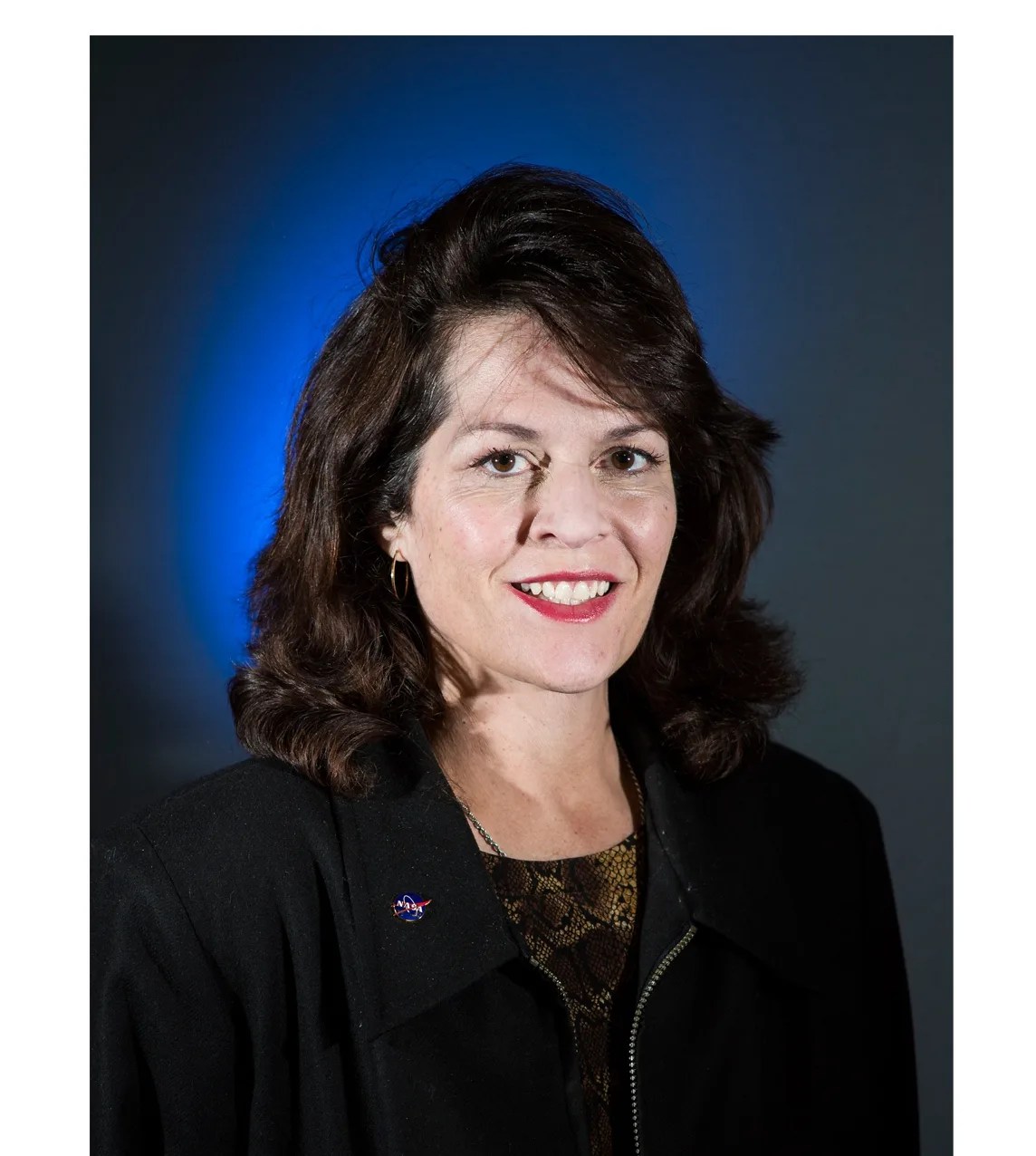
Career paths are rarely a straight line and often include some unexpected curves. That is certainly true for Erin Sholl, deputy chief of the Space Transportation Systems Division within the Safety and Mission Assurance Directorate at NASA’s Johnson Space Center in Houston. From struggling with multiplication tables in elementary school to supporting the International Space Station from the Mission Control Center, her journey has been full of twists and turns.
Despite her early difficulties in math and science, Sholl eventually grew to love and excel in both subjects. She planned to study chemical engineering in college – inspired by a love of chemistry and a favorite high school teacher – but discovered a greater affinity for physics once she arrived at Pennsylvania State University. She switched her major to aerospace engineering and soon met a classmate who had interned at Johnson. After that, Sholl declared, “The dream was born!”
Her first position at Johnson was as a trajectory operations officer for the Flight Operations Directorate. She spent six years supporting the space station on console in the Mission Control Center, describing the experience as “something out of the movies.” When Sholl went looking for a new challenge, she landed in the Safety and Mission Assurance Directorate.
“I was drawn to the Operations and Visiting Vehicles Branch because it had many similar aspects to my previous position – real-time operations and visiting vehicles,” she said. “I worked various roles over the next 12 years, gradually taking on more responsibility, and eventually becoming a group lead, then branch chief.” Sholl also served as acting deputy chief for the Space Habitation Systems Division, which oversees the Operations and Visiting Vehicles Branch. Her performance drew the attention of the Space Transportation Systems Division’s chief. “He asked me to come be his deputy, and that is where I still am today!”
The Space Transportation Systems Division provides system safety, reliability, and risk analysis for human spaceflight programs. The division works with the different program offices to reduce risk through technical assessments and guidance on Safety and Mission Assurance requirements throughout program and project lifecycles.
Sholl works closely with the division chief to support strategic planning, budgeting, and operations. “A key part of my role is connecting with people – both inside and outside the division – to ensure smooth communication and representation of the team’s needs,” she said. She leverages her relationship-building and strategic thinking skills to lead initiatives that advance the division’s and the directorate’s goals and to mentor employees.
Sholl believes strongly in the power of mentorship. “Having various mentors, both formal and informal, has been so important throughout my career,” she said. “Listening to what these people were saying about my strengths led me to a path I’d never considered because I hadn’t seen those things in myself.” Being a mentor and advocate for team members is one of Sholl’s favorite parts of the leadership positions she has held, particularly as branch chief. “I really felt like I could connect with my people and advocate for them in a way that felt meaningful,” she said.
She encourages young professionals to seek out mentors or opportunities to shadow colleagues in different roles. “Relationships are the key to everything,” she said. “The more people you meet and the more you learn about different paths in space exploration, the better off you will be in your career.”
Sholl noted that professional relationships can be bolstered by activities outside of the office. She played a key role in establishing and growing JSC Parenting, a virtual community of about 600 employees who share information and support each other on issues related to caregiving, schooling, and balancing work with family life. “My leadership within the community enhances my professional leadership and positively impacts my colleagues,” she said.
Sholl also emphasized the importance of being open to trying new things, even if an opportunity seems to diverge from your expected career path. “I volunteer for everything because I am always eager to learn more and find out what else I might be good at and how else I can serve my team,” she said. “I think it’s easy to feel intimidated hearing about other people’s career paths, because they often sound so perfectly planned and successful. You rarely hear about the pivots, setbacks, or decisions made for personal reasons.”
The reality, she added, is more complex. “I tried for many roles I didn’t get, and it took a lot of trial and error to find my path to a career I really love.”