



This natural amino acid could help stop cavities before they start
When bacteria in the mouth break down sugars from food, they release acids that gradually erode tooth enamel and
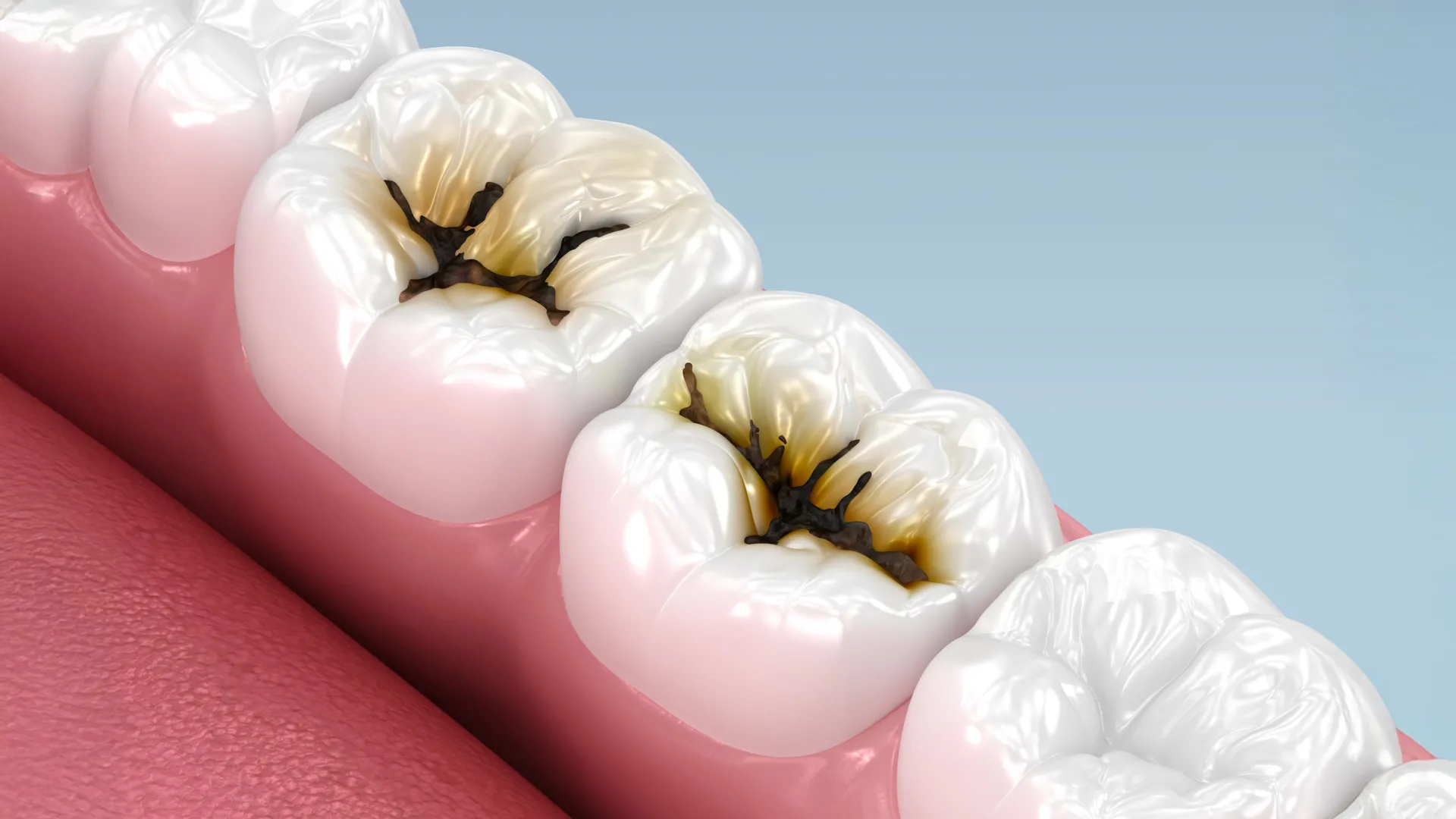
When bacteria in the mouth break down sugars from food, they release acids that gradually erode tooth enamel and cause cavities. These bacteria do not live alone. They form dense, plaque-like structures known as “dental biofilms” that cling to the surface of teeth. Within these biofilms, acid production can accelerate tooth damage.
Researchers have found that arginine, an amino acid naturally present in saliva, plays an important role in reducing tooth decay. Certain beneficial bacteria use an arginine deiminase system (ADS) to convert arginine into alkaline compounds that help counteract harmful acids. When more arginine is available, these protective bacteria tend to grow more easily, while acid-producing bacteria struggle to thrive. Earlier laboratory studies conducted outside the human body also suggested that arginine can change the overall makeup of dental biofilms.
Testing Arginine Inside the Human Mouth
To confirm whether these effects also occur in real mouths, a research team led by Post.doc. Yumi C. Del Rey and Professor Sebastian Schlafer at Aarhus University in Denmark carried out a clinical study. Their findings were published in the International Journal of Oral Science.
The study included 12 participants who had active tooth decay. Each person received specially designed dentures that allowed researchers to collect intact dental biofilms from both sides of the jaw. Participants were asked to dip the dentures into a sugar solution for 5 minutes, followed immediately by either distilled water (as placebo) or arginine for 30 minutes. One treatment was applied to one side of the mouth, and the other treatment to the opposite side. This routine was repeated three times daily, with arginine always applied to the same side.
“The aim was to investigate the impact of arginine treatment on the acidity, type of bacteria, and the carbohydrate matrix of biofilms from patients with active caries,” explains Sebastian Schlafer, professor at the Department of Dentistry and Oral Health. After 4 days, once the biofilms had fully formed, the dentures were removed for detailed examination.
Arginine Reduces Acid Levels After Sugar Exposure
To measure acidity inside the biofilms, researchers used a pH-sensitive dye known as “C-SNARF-4.” This dye allowed them to assess acidity in different areas of the biofilm. Biofilms that received arginine treatment showed noticeably higher pH levels, meaning lower acidity, at 10 and 35 minutes after exposure to sugar.
“Our results revealed differences in acidity of the biofilms, with the ones treated with arginine being significantly more protected against acidification caused by sugar metabolism” says the first author, Yumi C. Del Rey.
Changes in Biofilm Structure and Sugary Components
The team also examined structural components of the biofilms using fluorescently labeled lectins, which are proteins that bind to specific carbohydrates. Two major carbohydrate components were studied: fucose and galactose. These sugars make up a large portion of dental biofilms and are thought to contribute to the formation of “acidic pockets” that trap damaging acids.
Biofilms exposed to arginine showed an overall decrease in fucose-based carbohydrates, which may reduce their ability to cause harm. Researchers also observed a structural shift in the biofilms. Galactose-containing carbohydrates became less abundant near the base of the biofilm and more concentrated toward the top, suggesting a reorganization that may limit acid buildup near tooth surfaces.
Shifting the Balance of Mouth Bacteria
To identify which bacteria were present, researchers analyzed bacterial DNA using “16S rRNA gene sequencing.” Biofilms treated with either arginine or placebo were largely dominated by Streptococcus and Veillonella species. However, arginine treatment led to a significant reduction in the mitis/oralis group of streptococci. These bacteria produce acid but are weak at generating alkali.
At the same time, arginine slightly increased the presence of streptococci that are better at metabolizing arginine. This shift helped raise pH levels inside the biofilm. Taken together, the findings show that arginine made dental biofilms less harmful by lowering acidity, altering carbohydrate composition, and reshaping the microbial community.
A Safe and Promising Strategy Against Tooth Decay
Tooth decay affects people of all ages around the world. The researchers suggest that adding arginine to products such as toothpaste or oral rinses could help protect people who are especially prone to cavities. Because arginine is a naturally occurring amino acid produced by the body and found in many dietary proteins, it is considered safe and could even be suitable for use in children.