


This brain discovery is forcing scientists to rethink how memory works
A new study examining how memory functions in the brain suggests that different kinds of remembering may rely on
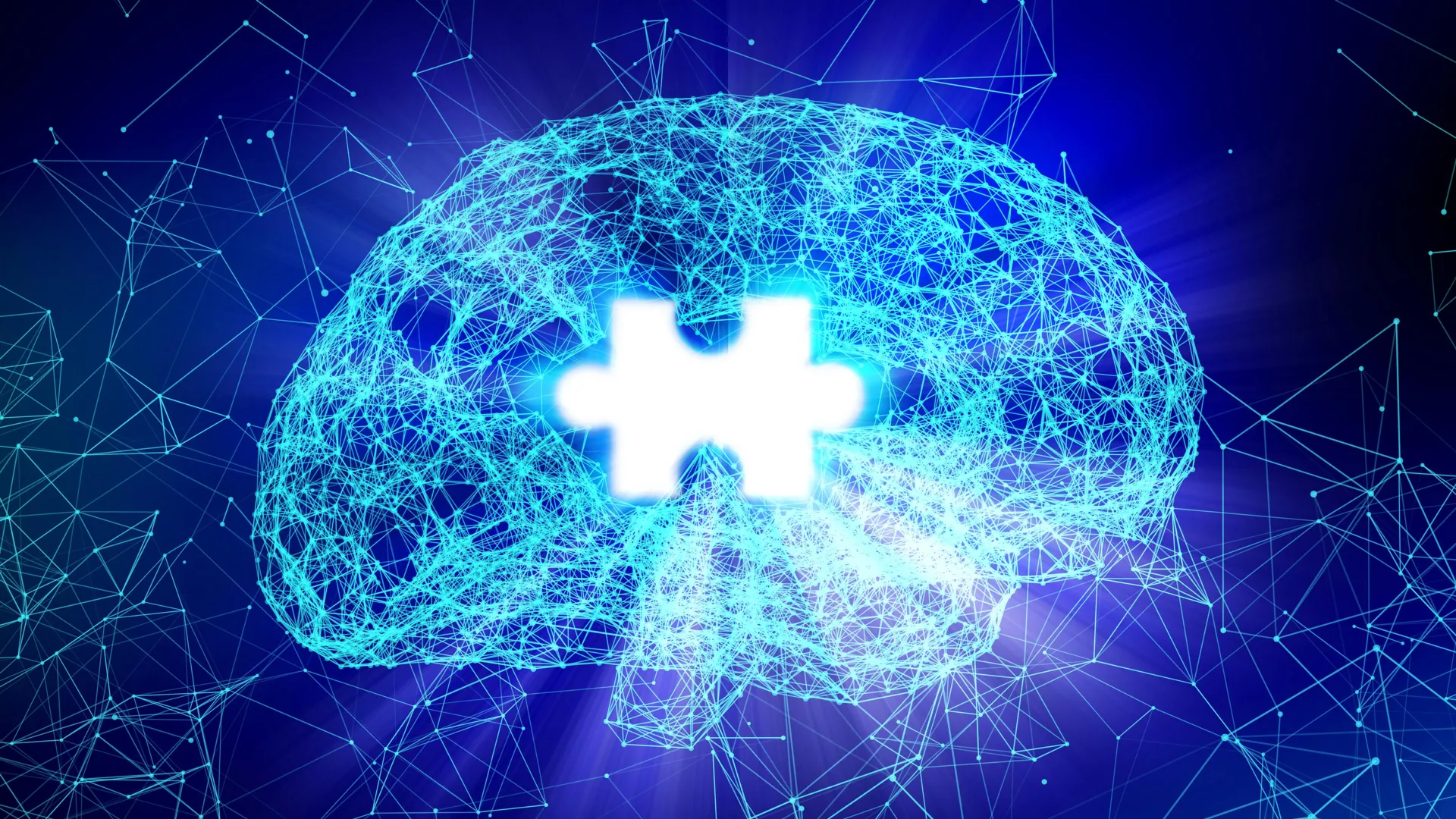
A new study examining how memory functions in the brain suggests that different kinds of remembering may rely on the same brain regions. Instead of using separate neural pathways to retrieve different types of information, the brain appears to activate overlapping areas, a finding that could change how memory is defined and studied.
The research was conducted by scientists from the School of Psychology at the University of Nottingham and the Cognition and Brain Sciences Unit at the University of Cambridge. By combining task based experiments with fMRI data, the team found no measurable difference in brain activity between successful episodic and semantic memory retrieval. The study was published in Nature Human Behaviour.
What Makes Episodic and Semantic Memory Different
Episodic memory allows people to recall specific past experiences that happened at a particular place and time. This form of memory enables individuals to mentally revisit moments from their lives, often described as “mental time travel.”
Semantic memory, by contrast, involves recalling facts and general knowledge about the world. These memories are not tied to the original time or place where the information was learned and can be accessed independently of that context.
Testing Memory With Closely Matched Tasks
To directly compare how these two types of memory operate, the researchers designed tasks that were carefully aligned. Forty participants were asked to remember pairings between logos and brand names. Some pairings reflected real-world knowledge and formed the semantic task, while others were learned during an earlier study phase and served as the episodic task.
During these memory tasks, participants underwent fMRI (Functional Magnetic Resonance Imaging) scanning. In the semantic task, they recalled brand details based on prior knowledge. In the episodic task, they remembered information about the logo and brand pairings learned earlier.
fMRI is a non-invasive brain imaging technique that measures activity by tracking changes in blood flow. When specific brain regions become active during tasks such as thinking, speaking, or remembering, they receive increased amounts of oxygen-rich blood. This allows researchers to produce detailed 3D images showing which parts of the brain are engaged, supporting studies of brain function, neurological conditions, and surgical planning.
Unexpected Findings From Neuroimaging
Dr. Roni Tibon, Assistant Professor in the School of Psychology, led the study and said the results challenged long-held assumptions.
“We were very surprised by the results of this study as a long-standing research tradition suggested there would be differences in brain activity with episodic and semantic retrieval. But when we used neuroimaging to investigate this alongside the task based study we found that the distinction didn’t exist and that there is considerable overlap in the brain regions involved in semantic and episodic retrieval.”
She also noted that the findings could offer new insights into memory related illnesses.
“These findings could help to better understand diseases like, dementia and Alzheimer’s as we can begin to see that the whole brain is involved in the different types of memory so interventions could be developed to support this view.”
Rethinking How Memory Is Studied
For many years, episodic and semantic memory have been treated as separate systems, leading researchers to investigate them independently. This approach has resulted in relatively few studies that examine both memory types within the same experimental framework.
Dr. Tibon believes the new evidence could help shift that perspective.
“Based on what we already knew from previous research in this area we really expected to see stark differences in brain activity but any difference we did see was very subtle, I think these results should change the direction of travel for this area of research and hopefully open up new interest in looking at both sides of memory and how they work together.”