The science-fiction films to look forward to in 2026
Ryan Gosling in Project Hail Mary Universal Pictures Well, those little green shoots of recovery I forecast last year
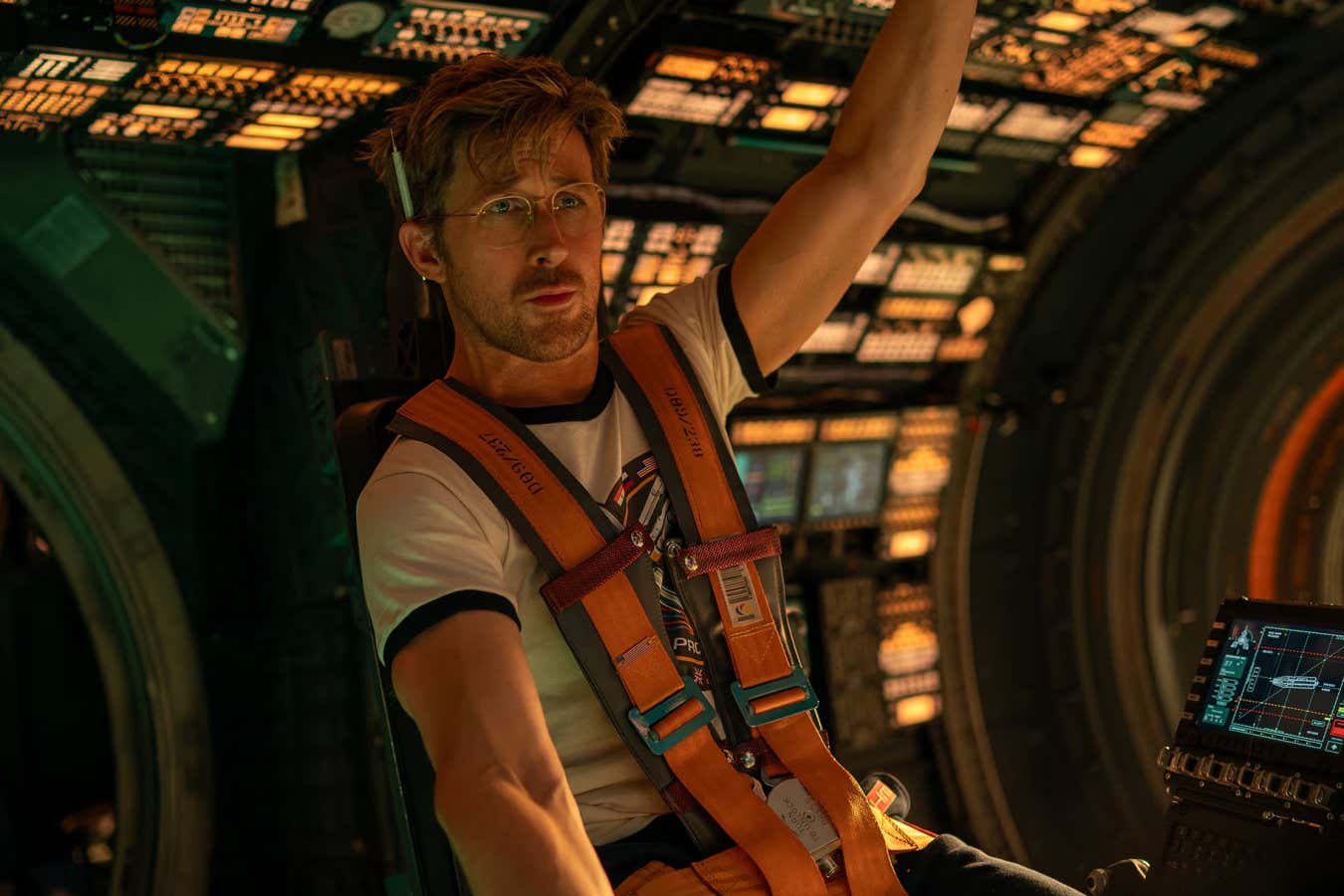
Ryan Gosling in Project Hail Mary
Universal Pictures
Well, those little green shoots of recovery I forecast last year have flowered. This year is set to bring tighter scripts, cheaper projects (which is good, because studios can take more chances) and a more enjoyable cinema-going experience all round.
On 16 January, 28 Years Later: The Bone Temple will deliver (honest) on all those promises exasperatingly kept back in 2025’s 28 Years Later. There will be Cillian Murphy reprising his role from 2002’s 28 Days Later, plus more from actor Jack O’Connell’s “Jimmys”, an acrobatic killer cult.
There will also be Nia DaCosta in the director’s chair – a young, much-lauded talent who not so long ago had the misfortune to helm The Marvels. A film written by Alex Garland is just what DaCosta needs for a proper career rebuild.
The first truly science-fictional release to look out for is Good Luck, Have Fun, Don’t Die (February), with Sam Rockwell as a man from the future, taking hostages at a Los Angeles diner in a wildly improbable attempt to save the world.
Director Gore Verbinski took flak for his last film, A Cure for Wellness, presumably because he didn’t know when to stop adding craziness to it. I rather liked it, however, and have high hopes for this wittier, more madcap, more accommodating vehicle.
After Guillermo del Toro’s plush, plodding 2025 Frankenstein, here, thank goodness, comes The Bride! (6 March), directed by Maggie Gyllenhaal, starring Jessie Buckley as the Bride and Christian Bale as the Monster.
The friendly shade of James Whale’s 1935 Bride of Frankenstein hangs over this spirited retread, which turns period mores upside down when the artificial twosome set off on a Bonnie-and-Clyde-like spree.
Genre purists finally get their moment with Project Hail Mary (20 March), directed by Phil Lord and Christopher Miller and based on the book by Andy “The Martian” Weir. Science teacher Ryland Grace (Ryan Gosling) wakes up on a spaceship with no recollection of who he is or how he got there. Oh, and the sun is going out. Happily, though, he may not have to solve all this on his own…
“
This year promises tighter scripts, cheaper projects and a more enjoyable cinema-going experience
“
No such luck for the odd-couple protagonists of The Dog Stars (27 March), directed by Ridley Scott and starring Jacob Elordi and Josh Brolin, based on the post-flu-pandemic novel of the same name by Peter Heller. Physical, mental and spiritual survival hangs in the balance as a mystery radio signal offers the very last thing the two can cope with: hope.
Then there is a Steven Spielberg UFO movie, Disclosure Day, slated for 6 June. The story is by Spielberg himself and the screenplay by his long-time collaborator David Koepp. Emily Blunt, Josh O’Connor and Colin Firth star. And if you want to get a feel of the movie, take a look at the teaser on YouTube.
Fresh from The Substance (though I’m not sure “fresh” is quite the right word for her bravura performance there), Demi Moore headlines a strong ensemble cast in I Love Boosters, a sci-fi satire of where fast fashion may take us in the future. It is written and directed by Boots Riley, whose 2018 dystopian comedy Sorry to Bother You set a satisfyingly high bar for this one.
Flowervale Street (14 August), written, produced and directed by David Robert Mitchell, stars Anne Hathaway and Ewan McGregor as a 1980s couple who start to notice bizarre happenings in their neighbourhood. Mitchell’s 2014 horror film It Follows won him a lot of attention, so again, it’s a case of fingers crossed for the second outing.
Likewise with Hope, a hotly anticipated follow-up from South Korean director Na Hong-Jin after 2016’s The Wailing. A spectral tiger haunts Korea’s heavily fortified demilitarised zone, but what begins as a local emergency spirals to the point where Alicia Vikander and Michael Fassbender turn up… as extraterrestrials.
Another horror-inflected year, then, though it is likely to be none the worse for that. The sci-fi genre die-hards must wait patiently until 18 December for Dune: Part Three, the third of Denis Villeneuve’s adaptations of the first two books of Frank Herbert’s Dune series.
If my memory is any guide, Dune Messiah, on which this film is based, was both short and interminable: a fascinating but punishing interior monologue about psychic incest and the solitariness of God. Let’s just hope Villeneuve is on his A-game.
Topics: