


The real danger of Tylenol has nothing to do with autism
Social media and news feeds are filled with unverified claims about a possible connection between acetaminophen and autism in
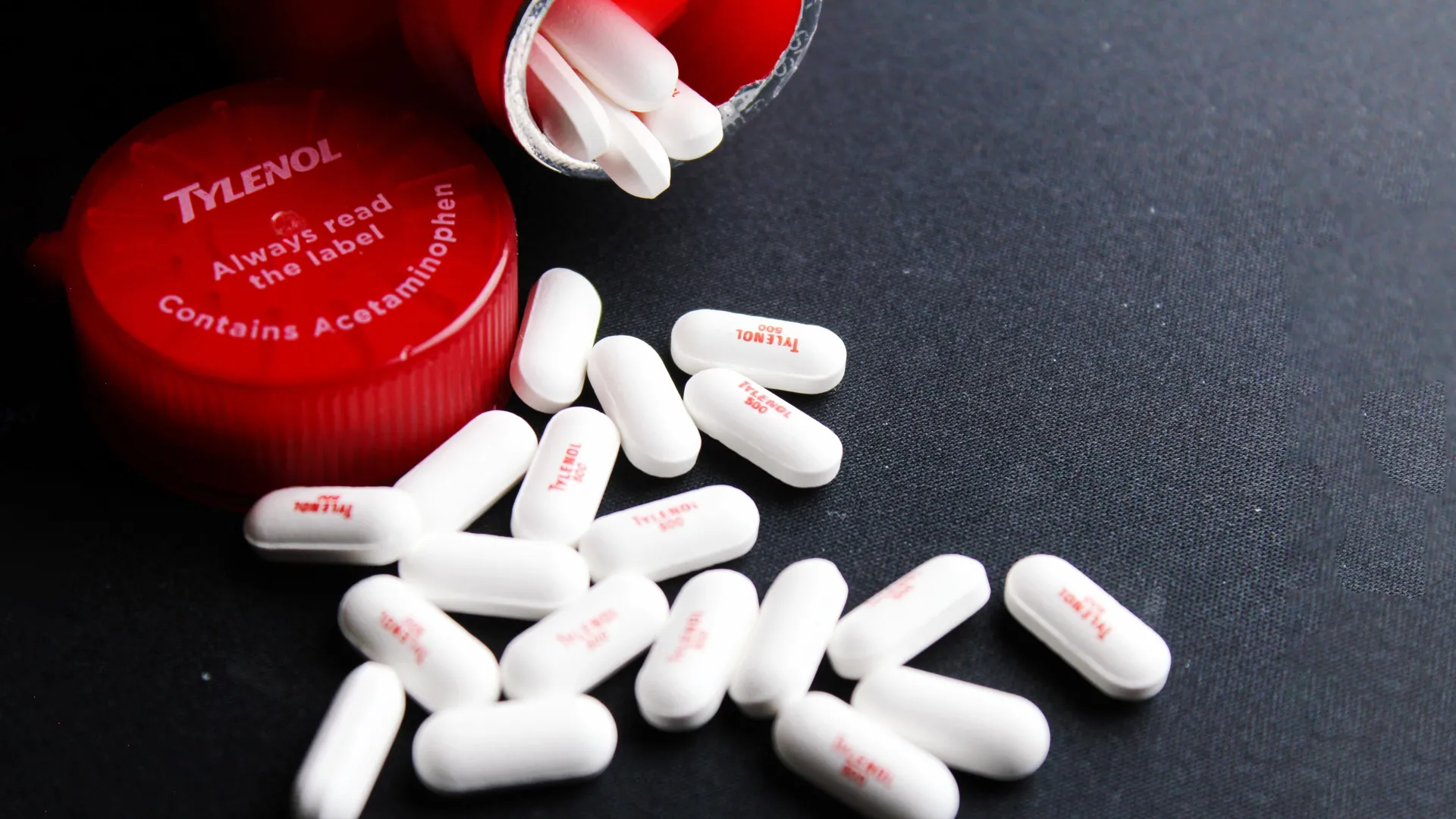
Social media and news feeds are filled with unverified claims about a possible connection between acetaminophen and autism in children. But medical experts say the far more serious and well-documented concern is something else entirely: overdose from the widely used pain and fever medication.
Acetaminophen poisoning is one of the leading causes of hospitalization and death related to non-prescription drugs in the United States, according to Kennon Heard, MD, PhD, a professor in the CU Anschutz Department of Emergency Medicine and the department’s section chief of medical toxicology.
Each year, an estimated 56,000 people visit emergency departments because of acetaminophen poisoning, and about 2,600 are hospitalized. The drug is responsible for nearly half of all acute liver failure cases in the U.S. and roughly 20% of liver transplants nationwide.
Heard has studied acetaminophen poisoning for more than 25 years. He is now helping to lead a long-term clinical trial that is testing a potential new way to reduce liver damage in severe overdose cases. The experimental approach uses a medication typically given to patients poisoned by antifreeze.
Heard says CU and Denver Health, which is home to the Rocky Mountain Poison & Drug Safety center, have played a central role in this research for decades. “have been the center of the acetaminophen research universe for the past 40 years. There’s been a long history of this type of work being done here, and it’s great to be a part of it.”
Why Acetaminophen Overdoses Happen
Acetaminophen is the main ingredient in Tylenol and many store-brand pain relievers used for mild to moderate pain and low-grade fever. It is also included in a wide range of over-the-counter products for colds, flu, sinus symptoms, and menstrual discomfort.
The medication has been used safely for decades when taken according to instructions. Problems arise when people exceed recommended doses, either by taking too much at once or by repeatedly taking more than advised over time.
“There are cases where people accidentally take too much acetaminophen,” Heard says. “Or maybe they have a really bad toothache, and they think if two is good, four is better, eight is even better, and so on. Or it’s someone who’s taking multiple repeated overdoses. Those are the people who get into trouble.”
Overdoses are also frequently linked to suicide and self-harm, Heard notes. “The No. 1 rule at the Poison Center is that if it’s available, people will take it, and a lot of people have Tylenol in their medicine chest.”
Limits of the Standard Antidote
For decades, doctors have relied on a drug called acetylcysteine as an effective antidote for acetaminophen overdose. When given early, it can prevent serious liver damage.
Its effectiveness drops sharply, however, if treatment begins more than eight hours after the overdose.
“The problem is that many patients don’t present with acetaminophen poisoning until after they have liver injury, at which point the acetylcysteine is less effective, and in some cases doesn’t really work at all,” Heard says.
Testing an Antifreeze Antidote
The current clinical trial led by Heard and his colleagues is focused on fomepizole, a drug approved to treat poisoning from ethylene glycol and methanol, substances commonly found in antifreeze. Exposure can occur accidentally, and in some cases people with alcohol use disorder have consumed antifreeze as a substitute for alcohol.
Fomepizole works by blocking enzymes known as alcohol dehydrogenase, stopping the body from converting ethylene glycol and methanol into toxic byproducts.
Heard says interest in using fomepizole for acetaminophen overdose dates back to the 1990s, when he was training in medical toxicology. Evidence came from individual patient case reports and animal studies, particularly in severe overdose cases.
More recently, research has shown that doctors are increasingly using fomepizole off-label to treat serious acetaminophen poisoning.
Richard Dart, MD, PhD, a professor of emergency medicine and Heard’s longtime mentor, ultimately suggested formally testing the drug in a clinical trial. Dart has served as director of Rocky Mountain Poison & Drug Safety since 1992.
A Proof of Concept Clinical Trial
The ongoing phase II trial is designed to determine whether adding fomepizole to standard acetylcysteine treatment can reduce liver damage in patients at high risk after acetaminophen overdose. It is considered a “proof of concept” study to see whether the combination shows enough promise to justify larger trials.
Participants are randomly assigned to receive either both medications or acetylcysteine alone. The study is double-blind, meaning neither the patients nor the researchers know which treatment each participant receives until the trial ends.
“We’ll compare the amount of liver damage, as measured by their liver enzymes, to see whether the fomepizole provides an added protective benefit beyond the standard treatment,” Heard says.
Patients are currently being enrolled at Denver Health, UCHealth University of Colorado Hospital, Children’s Hospital Colorado, and several additional sites. Enrollment has been slow due to the challenge of finding patients who meet the study criteria, but researchers hope to enroll about 40 participants within 12 to 18 months.
If the findings are positive, Heard expects the research to move into a larger trial that would examine longer-term outcomes, including survival and the need for liver transplants.
A Caution for Medicine Cabinets Everywhere
“The message that I would want to get out,” Heard says, is that people should carefully read medication labels, avoid exceeding recommended doses, and recognize that acetaminophen may be present in multiple products at home.
“We’ve started to recognize that the number of people who die from an accidental overdose is pretty close to the number of people who deliberately take an overdose,” he says.
Heard’s collaborators on the study include Dart and Andrew Monte, MD, PhD, also a professor of emergency medicine.