

The oxygen you breathe depends on a tiny ocean ingredient
The next time you take a breath, it is worth remembering that much of that oxygen can be traced
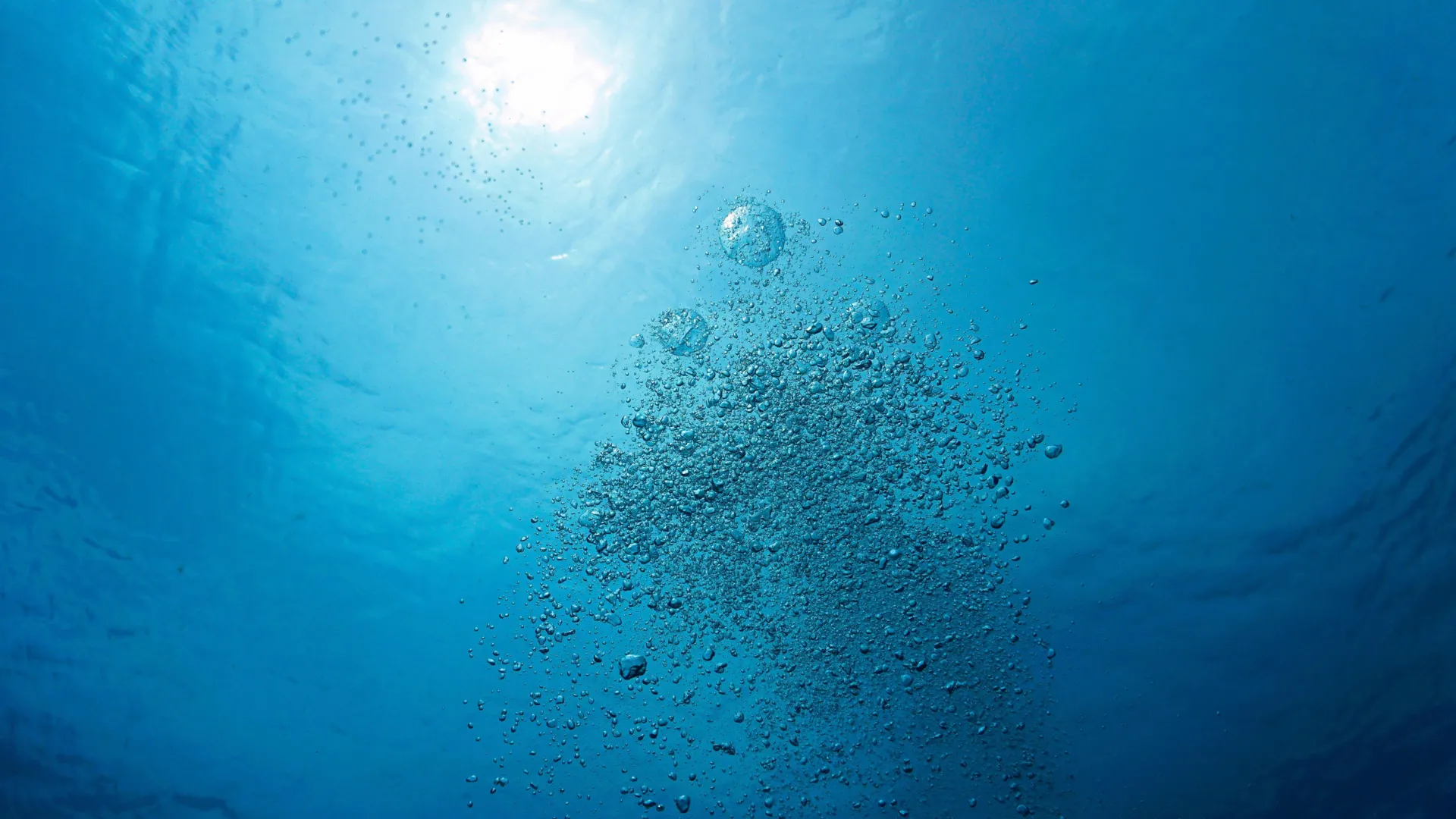
The next time you take a breath, it is worth remembering that much of that oxygen can be traced back to microscopic ocean algae. Their ability to produce oxygen through photosynthesis is supported by iron dust that settles into the sea.
A new study from Rutgers University, published in the Proceedings of the National Academy of Sciences, offers a clearer picture of how this essential process works and why it matters for life on Earth.
Iron and the Ocean’s Oxygen Producers
Marine phytoplankton are tiny algae that sit at the base of ocean food webs. These organisms rely on iron, a vital micronutrient, to grow and function. Iron reaches the oceans mainly through airborne dust from deserts and dry regions, as well as through meltwater released by glaciers.
“Every other breath you take includes oxygen from the ocean, released from phytoplankton,” said Paul G. Falkowski, the Bennett L. Smith Chair in Business and Natural Resources at Rutgers-New Brunswick and a co-author of the study. “Our research shows that iron is a limiting factor in phytoplankton’s ability to make oxygen in vast regions of the ocean.”
Without enough iron, photosynthesis slows down or stops altogether. Photosynthesis is the process of converting light energy into chemical energy while releasing oxygen. When this process falters, phytoplankton grow more slowly, capture less sunlight, and remove less carbon dioxide from the atmosphere.
Climate Change and Ripple Effects in Marine Life
According to Falkowski, growing evidence indicates that climate change is reshaping ocean circulation patterns and reducing the amount of iron delivered to the sea. While lower iron levels will not prevent people from breathing, he said, they could still have serious consequences for marine ecosystems.
“Phytoplankton are the primary source of food for krill, the microscopic shrimp that are the main source of food in the Southern Ocean for virtually every animal, including penguins, seals, walruses and whales,” Falkowski said. “When iron levels drop and the amount of food available for these upper-level animals is lower, the result will be fewer of these majestic creatures.”
Scientists have suspected for decades that iron plays a key role in photosynthesis. However, most earlier research relied on laboratory experiments, leaving major questions about how the process unfolds in the open ocean.
Studying Photosynthesis in the Open Ocean
To better understand real-world conditions, lead author Heshani Pupulewatte, a graduate research assistant in the Department of Chemistry and Chemical Biology working in Falkowski’s lab, spent 37 days at sea in 2023 and 2024. She traveled aboard a British research vessel across the South Atlantic Ocean and the Southern Ocean, moving from the South African coast to the edge of the Weddell Gyre’s ice zone and back.
During the voyage, Pupulewatte used custom fluorometers built by Max Gorbunov from the Falkowski Lab on Cook Campus in New Brunswick. These instruments measured fluorescence, which reflects energy released by phytoplankton when photosynthesis breaks down. She also added nutrients to collected samples to see whether photosynthesis could restart.
“We wanted to know what really happens to the energy transfer process at the molecular level of phytoplankton in natural environments,” she said.
How Iron Shortages Waste Energy
The measurements showed that when iron is scarce, as much as 25% of the proteins that capture light become “uncoupled” from the structures that convert that energy into usable chemical forms. This disconnect reduces how efficiently phytoplankton can use sunlight. When iron becomes available again, the algae are able to reconnect these systems, improving energy use and supporting growth.
“We demonstrated the results of iron stress on phytoplankton out in the ocean, without even bringing back samples to the lab to perform molecular extractions using fluorescence measurements carried out at sea,” she said. “By doing so we were able to show that much more energy is wasted as fluorescence when iron is limiting.”
A deeper understanding of how iron controls photosynthesis at the molecular scale could help researchers better anticipate changes in ocean productivity and shifts in the global carbon cycle, she added.