The internet feels super lonely right now. Here’s why
Why does it feel so lonely online these days? Breana Panaguiton/Unsplash Right now, I’m glued to my phone. Like

Why does it feel so lonely online these days?
Breana Panaguiton/Unsplash
Right now, I’m glued to my phone. Like most people in the US, I get my news from various apps – social posts, podcasts, newsletters – and when things are blowing up (literally) I can’t look away. People in Minneapolis are posting video updates from protests; experts are publishing essays about international law and the US attack on Venezuela. I have to consume them all! The weirdest part, though, is that the more I watch and read what other people are saying, the lonelier I feel.
This is hardly a new or unique experience. Sociologists have been talking about it for nearly 80 years. In 1950, scholars David Riesman, Nathan Glazer and Reuel Denney published a book called The Lonely Crowd, in which they argued that the rise of consumerism and mass media had led to a new kind of personality type that is deeply sensitive to loneliness. They called this personality “other-directed”, and their descriptions feel startlingly prescient in our era of social media and AI chatbots.
Other-directed people are constantly attuned to what everyone around them is doing, using the preferences of their peer groups to decide what to buy, wear and think. Because their values come from peers, rather than elders or ancestors, they tend to be present-oriented and unconcerned with history. Riesman and his colleagues warned that other-directed people are obsessed with conforming, anxious to be “part of a crowd” and “having fun”. What other-directed people fear more than anything is being alone.
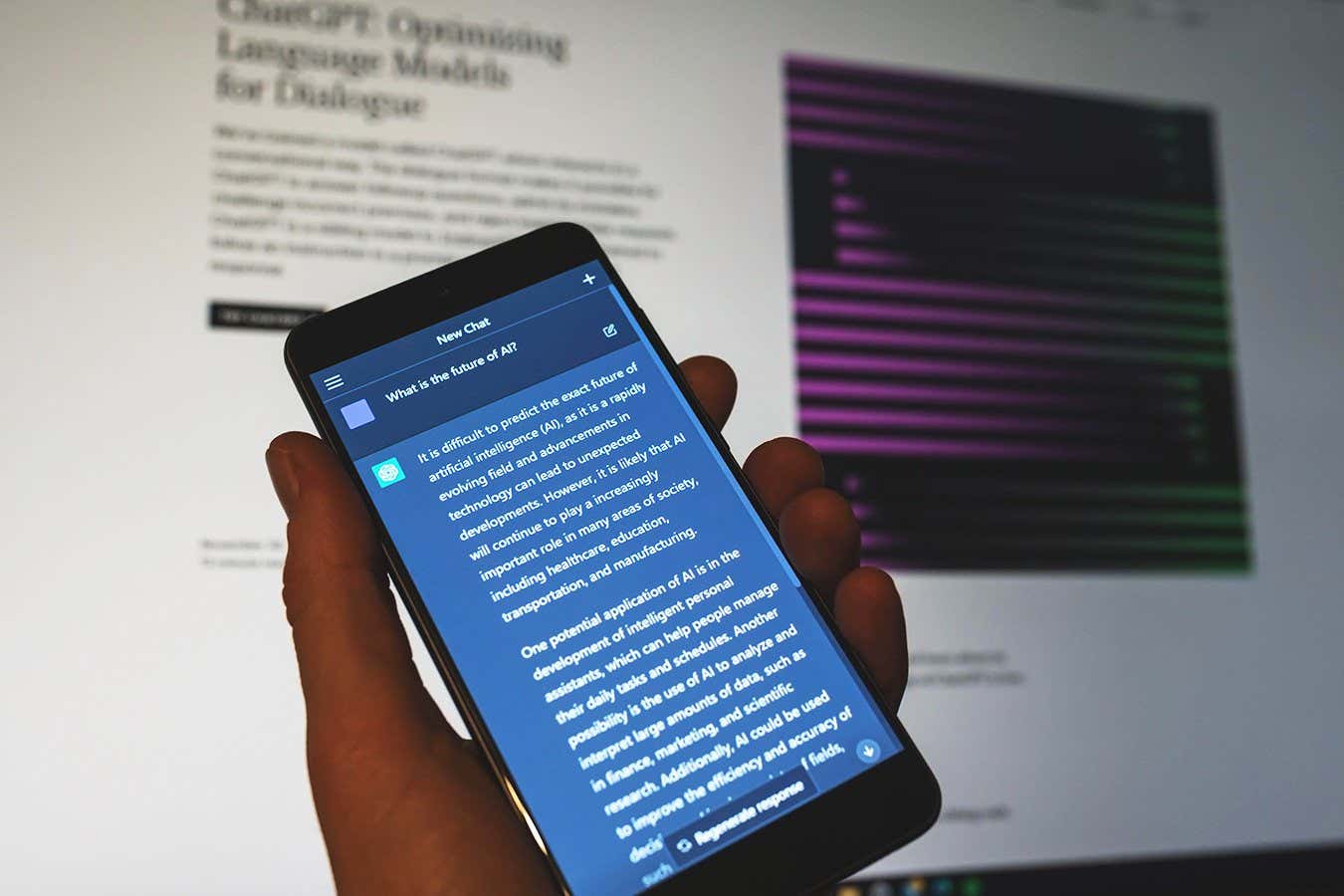
All of these personality traits are immediately recognisable to people dealing with social media, with its peer pressure, parasocial relationships with influencers and – especially these days – surveillance capabilities. We are always watching each other and being watched. And because we fear being alone, companies produce apps designed to fool us into thinking we aren’t. That’s one of the insidious things about AI chatbots, some of which are designed to act like friends.
“
When we cobble ourselves together out of what we think other people want, we hide from something crucial
“
There’s a paradox in every other-directed person’s heart. As much as we may want to conform, to be part of the group chat, we also want to feel like we are unique. Riesman and his colleagues explained that consumerism itself assuages this other-directed anxiety by offering “false personalisation”. You experience this when you find yourself choosing between six virtually identical polo shirts at the store. Picking one might make you feel that there’s a special brand out there just for you, but, fundamentally, all those shirts are the same. You wind up wearing a polo shirt just like everybody else.
This kind of false personalisation shows up all the time in the algorithms that shape our experiences online. TikTok and other apps have a “for you” feed full of videos that feel tailor-made for your specific tastes. And yet it is shaped by an algorithm that you don’t control, whose purpose is largely to keep your eyeballs glued to the same app that everyone else is glued to. It is “for you” in the service of conformity.
As other-directed people, we are invited to express ourselves mainly by participating in peer groups or by “joining the conversation”, as so many ads suggest. We turn ourselves into internet content, adding our words and videos to the morass of others online. Be yourself by showing that you are doing what everybody else is doing!
And yet we still feel lonely. Partly that’s because in-person friendships and communities are fundamentally different from online ones. But something else is going on here, and I think it has to do with the personality shifts chronicled in The Lonely Crowd. When we cobble ourselves together out of what we think other people want, we hide from something crucial: our own truly personal, messy, eccentric, non-conformist desires. We can’t connect with other people in a genuine way if we don’t know ourselves.
Riesman and his co-authors suggested two solutions to this other-directed problem. First, we need to take back our leisure hours from the hyper-consumerist sphere of media. All that effort we put into paying attention to our peers is too much like work, they argued, and we need more free play. Which brings me to their second suggestion, which is that people – and especially kids – should test out new identities and experiences. Figure out what you enjoy when nobody is telling you what “fun” is supposed to be. Do something you have never done before. Wear something dramatic or silly. Strike up a conversation with a neighbour you have never met. Surprise yourself. And see how it feels to just… experiment.
You won’t figure out who you are from a “for you” feed or a chatbot. So get off your phone, do something unexpected and be yourself for a while.
What I’m reading
Notes From a Regicide, by Isaac Fellman, a fantastical tale of rebellion and family drama.
What I’m watching
Heated Rivalry, because I know how to have fun.
What I’m working on
Researching Sogdiana, my favourite ancient diaspora culture.
Annalee Newitz is a science journalist and author. Their latest book is Automatic Noodle. They are the co-host of the Hugo-winning podcast Our Opinions Are Correct. You can follow them @annaleen and their website is techsploitation.com
Topics: