

The genetic turning point that made backbones possible
Scientists at the University of St Andrews have identified an important missing piece in understanding how animals with backbones
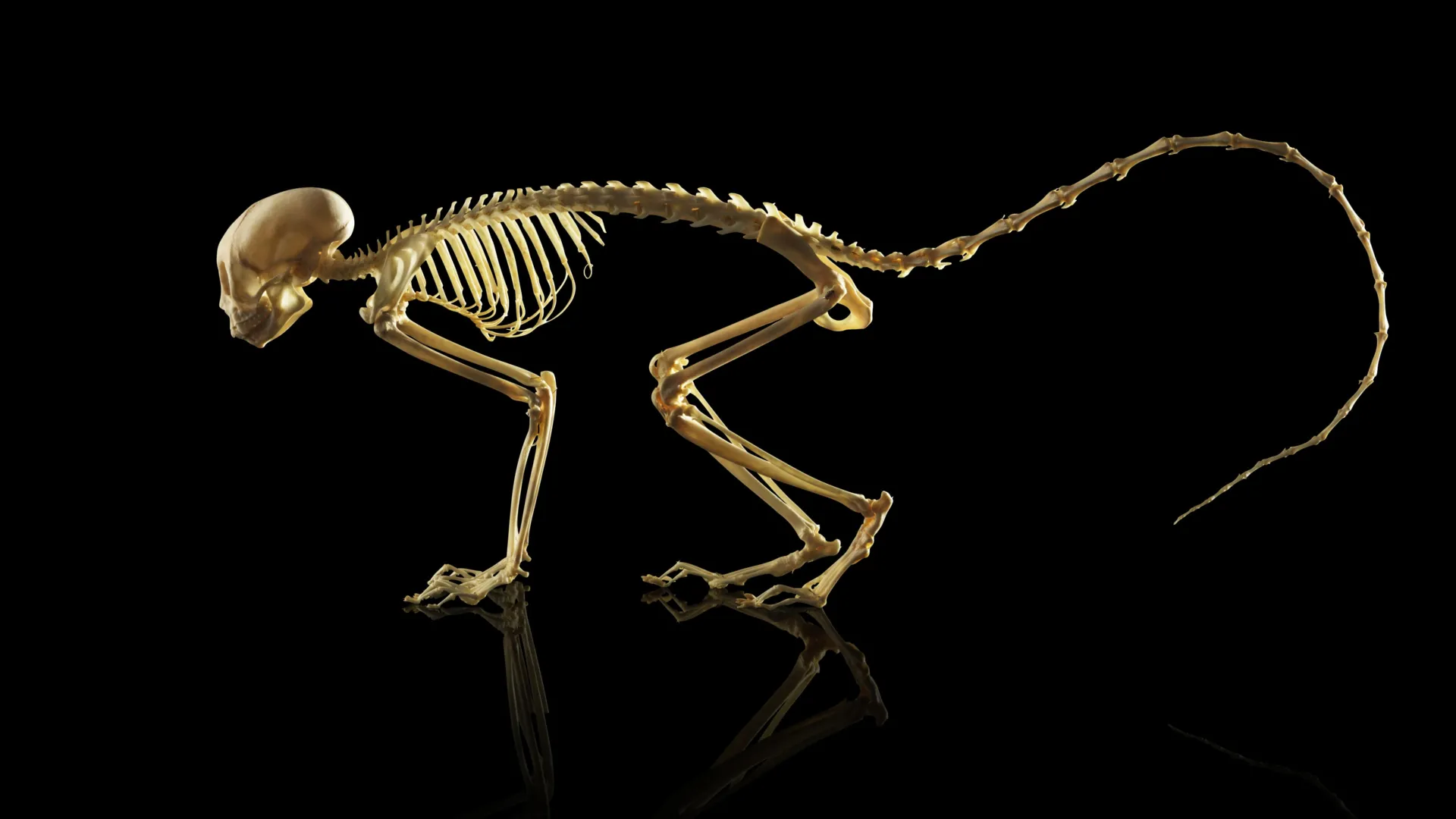
Scientists at the University of St Andrews have identified an important missing piece in understanding how animals with backbones first evolved. This includes mammals, fish, reptiles, and amphibians. The findings help explain how vertebrates emerged and diversified from simpler animal ancestors.
The research was published February 2 in the journal BMC Biology. In the study, researchers uncovered an unusual pattern in the way certain genes evolved, suggesting these changes played a key role in the early development and expansion of vertebrate life.
How Cells Communicate During Development
All animals rely on complex signaling pathways that allow cells to communicate with one another. These pathways guide critical processes such as embryo formation and organ development. They are essential to normal growth and are also closely linked to disease when mutations occur, which is why they are frequent targets in drug development.
At the core of these pathways are specialized proteins that determine how signals are interpreted inside cells. These proteins act as control points, steering cells toward specific behaviors and patterns of gene activity.
Comparing Sea Squirts, Lampreys, and Frogs
To better understand how these systems evolved, the researchers generated new genetic data from sea squirts, a lamprey, and a species of frog. Sea squirts are invertebrates, making them useful for identifying differences between animals without backbones and those with them. Lampreys represent one of the earliest branches of vertebrates, helping researchers pinpoint when key genetic changes first appeared.
The team found that genes responsible for producing signaling output proteins evolved in a distinctive way during the shift from invertebrates to vertebrates.
A First Look Using Long-Molecule DNA Sequencing
The study relied on long-molecule DNA sequencing, a technique that makes it possible to separate and identify different transcripts produced by a single gene. This approach had never before been applied to the genes expressed in these particular animals.
As a result, researchers were able to map the full range of transcripts and proteins generated by these genes during vertebrate development for the first time.
A Surge in Protein Diversity
Unlike the sea squirt, both the lamprey and the frog produced many more versions of proteins from individual signaling output genes. This increase was far greater than what was seen for most other gene types.
The scale of this shift stood out clearly. Because these signaling pathways influence how cells become different tissues and organs, the researchers believe the expanded protein diversity likely contributed to the increased complexity seen in vertebrates (animals with backbones) compared with invertebrates.
Why These Findings Matter
Lead author Professor David Ferrier from the School of Biology said: “It was very surprising to us to see how this small selection of very particular genes stands out in the way that they are behaving compared to any other sort of gene we looked at.It will be exciting to determine how these various different protein forms work in distinct ways to generate the diversity of cell types we now see in vertebrates.”
Beyond offering insight into how vertebrates evolved, these protein variations could also prove valuable for future research. Understanding how these pathways function and can be adjusted may eventually help scientists develop new approaches for managing disease.