


Technology Priorities
As NASA prepares for long-duration missions to the Moon that will pave the way for human exploration on Mars,

As NASA prepares for long-duration missions to the Moon that will pave the way for human exploration on Mars, the agency is tapping into America’s expanding space economy to help guide its strategic technology investments. This initiative, led by NASA’s Space Technology Mission Directorate invites collaboration from U.S. industry leaders, academic institutions, and other government agencies to help prioritize critical technology development needs – known as shortfalls – identified for future science and exploration missions.
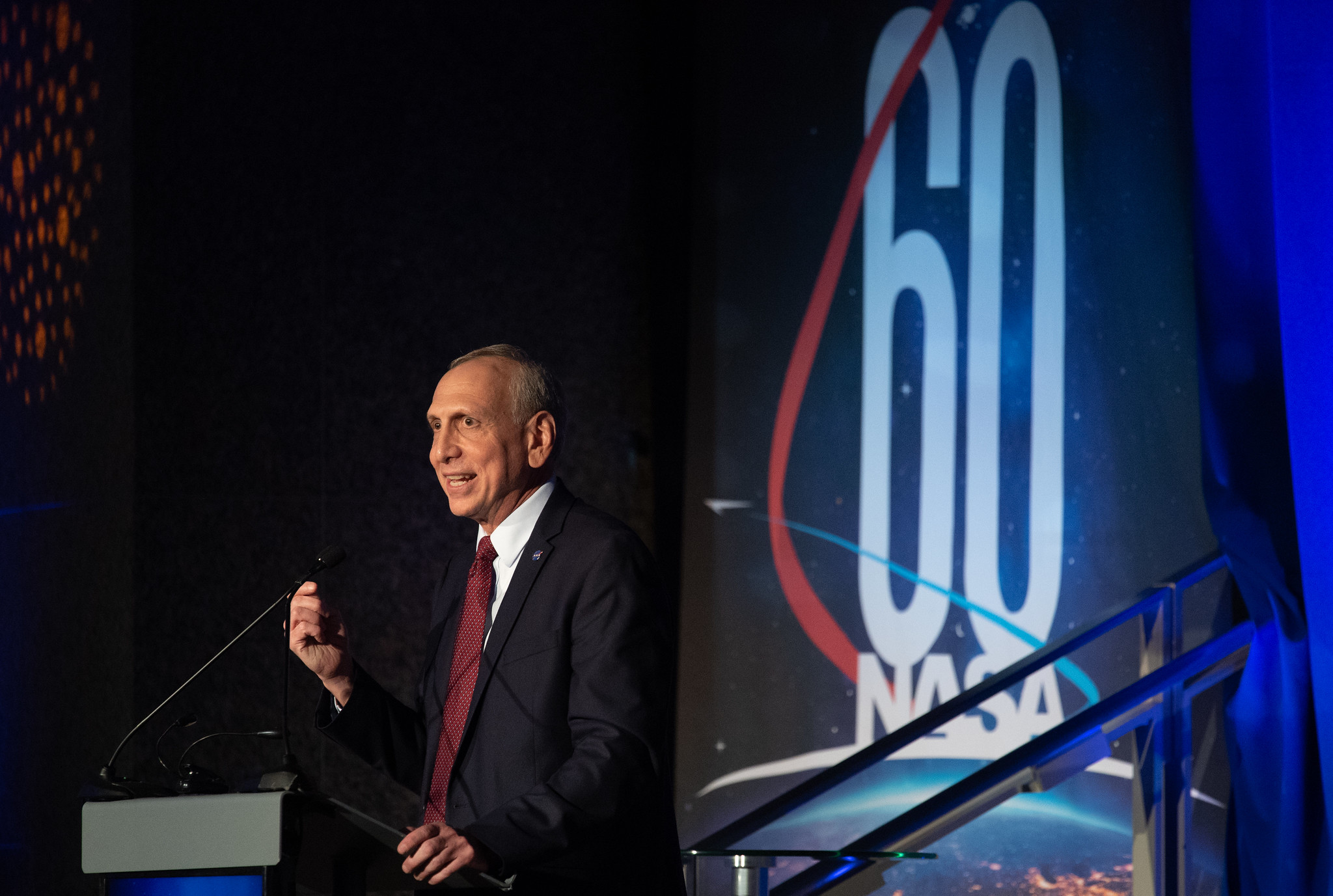
“NASA wants to hear directly from the nation’s brightest minds to drive solutions for our greatest technology needs as we lead America’s exploration through the solar system,” said Greg Stover, acting associate administrator for NASA’s Space Technology Mission Directorate (STMD) at NASA Headquarters in Washington. “As we pursue collaboration with industry to support our most ambitious missions and increase agility, prioritizing NASA’s technology efforts ensures the most efficient and impactful progress for the agency and its stakeholders.”
Until Friday, Feb. 20, NASA will collect input from the aerospace community on consolidated technology shortfalls, such as developing infrastructure and capabilities for long-term operations in the lunar and Martian environments. Technology stakeholders will participate in virtual meetings, provide feedback, and submit their shortfall ranking to the agency.
This effort builds on NASA’s first shortfall ranking exercise in 2024 which asked participants to rank 187 civil space shortfalls, resulting in an integrated list of technology priorities. Based on the invaluable feedback provided by stakeholders in the first exercise, NASA has streamlined the process by consolidating the shortfalls into 32 broader, integrated categories, each addressing specific needs to provide further definition and context. This restructuring maintains the original content’s depth while creating a more efficient and accessible feedback mechanism for participants.
NASA will analyze and aggregate the rankings to produce priority lists for each stakeholder group, which will be made publicly available for continued collaboration. This prioritization framework will guide NASA’s evaluation of current technology development efforts to identify necessary adjustments within its existing portfolios.
The shortfall prioritization process may inspire new investments within NASA or spark innovative partnerships with external stakeholders. This initiative also has the potential to unlock emerging commercial opportunities and accelerate growth in the U.S. space economy.
As NASA nears its next mission to the Moon, prioritizing the most important and impactful efforts helps NASA appropriately direct available resources to best support mission needs for the agency and the nation. To maintain this collaborative approach, STMD plans to conduct feedback sessions and workshops every three years with industry, academia, and other government agencies, creating a dynamic process that continuously incorporates stakeholder insights and end-user perspectives.
The agency remains committed to refining this engagement framework, ensuring it delivers maximum value to all participants while advancing America’s leadership in space exploration and technology development.
To review the list of technology shortfalls and add input to NASA Space Technology’s prioritization effort, visit:
https://www.nasa.gov/spacetechpriorities
By: Jasmine Hopkins