Sweden hastens Gripen deep-strike punch with Taurus missiles
[ad_1] MONTREAL — Sweden will soon have the capability to conduct deep strikes far behind enemy lines, as the
[ad_1]
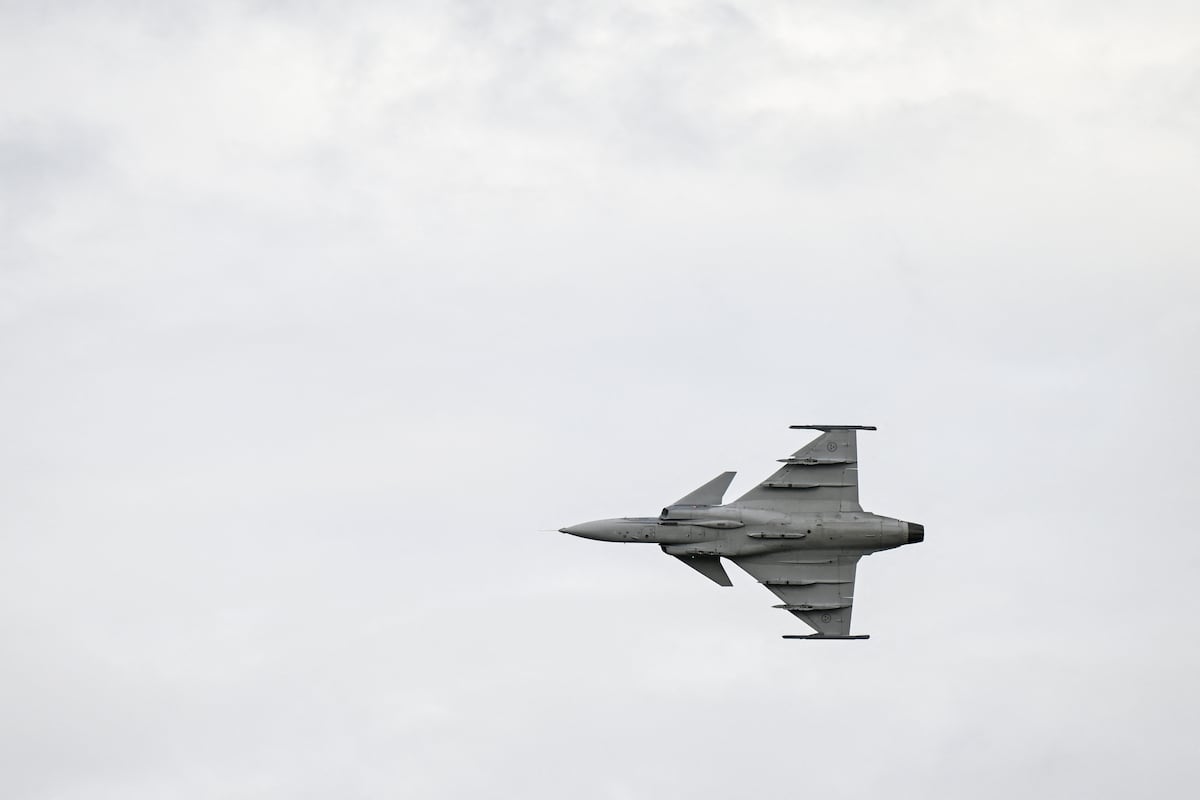
MONTREAL — Sweden will soon have the capability to conduct deep strikes far behind enemy lines, as the Gripen will be integrated with the German-made Taurus cruise missile earlier than planned, the Swedish air chief said.
“We have reprioritized and done work to ensure that our industry, FMV, and the Air Force’s work on this overlaps as much as possible, resulting in the original timeline shifting left as I am expecting us to be operational at a date considerably earlier than previously planned,” Maj. Gen. Jonas Wikman, the commander of the Swedish Air Force, told Defense News in an interview.
FMV is the acronym for Sweden’s defense materiel agency.
A document published in February by agency officials noted that the planned initial operational capability of the Taurus KEPD-350 air-launched cruise missile on the JAS39 Gripen C/D was first expected by 2028.
Given the sensitivity of the project, the official did not disclose the precise date of integration. The missile was developed by Taurus Systems GmbH, a German-Swedish joint venture between MBDA Deutschland and Saab.
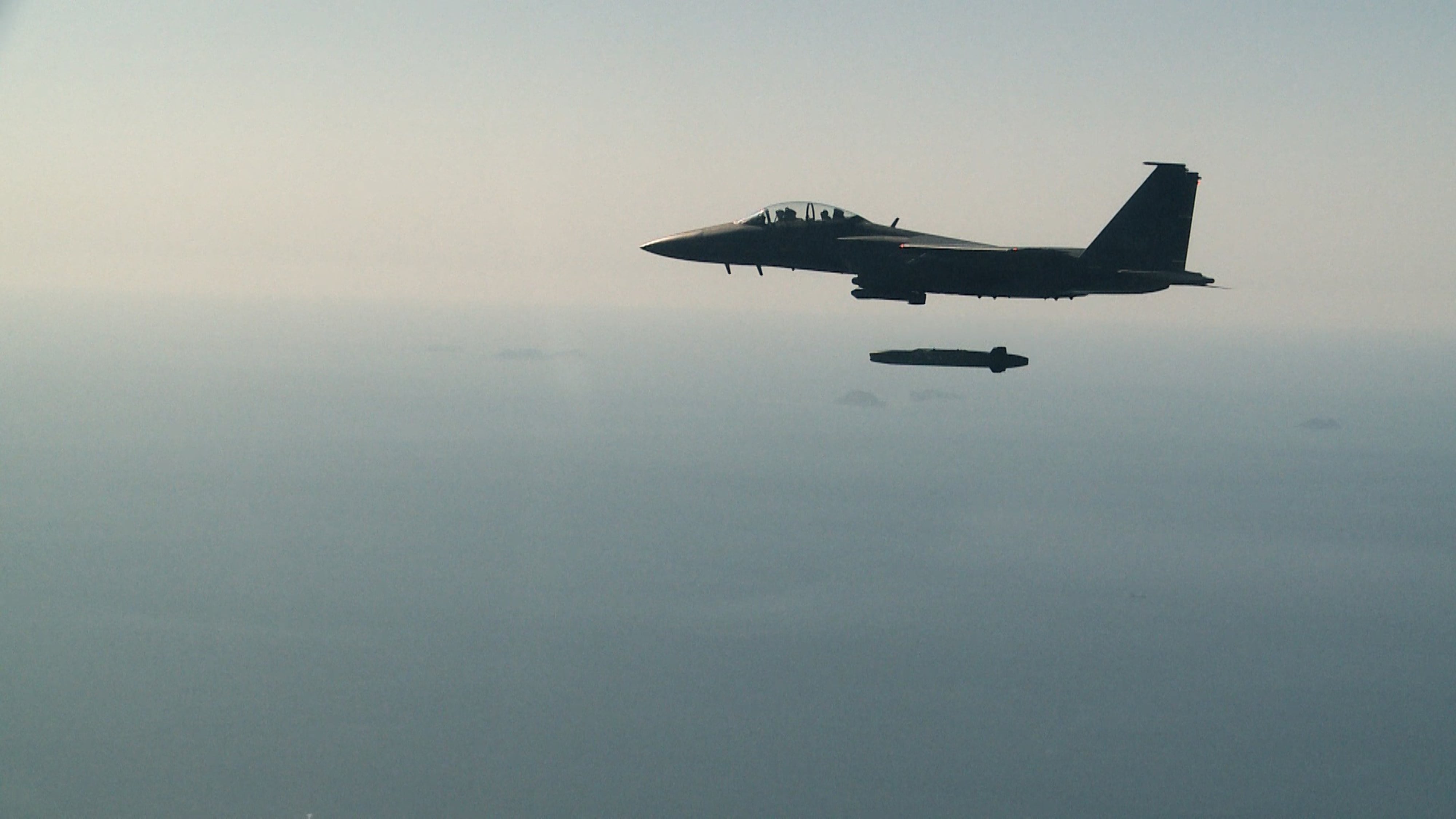
The weapon can carry a 481-kilogram warhead and is designed to destroy hardened and deeply-buried targets of all sizes at ranges above 500 kilometers, per the company’s website.
Wikman referred to the future introduction of the weapon as “a huge step,” that will also influence the air force’s doctrine and operational concepts.
“The capability itself is very important because we haven’t had any deep-strike or offensive counter-air capabilities before. We could just put all of our money on defensive abilities, but now that is a huge shift for us,” he said.
He added that the Scandinavian country has received great support from Germany on all aspects of long-range offensive fires.
Saab previously released an image showing the Gripen flying with the Taurus missile, and a static display of the fighter in this configuration was displayed all the way back in 2016 at the FIDAE defense fair in Chile.
However, officials never went so far as to conduct live-fire tests with the weapon aboard the warplane.
Sweden follows a unique approach by foregoing a traditional mid-life update to the Gripen, opting instead to inject new capabilities into the jet on a rolling basis, with larger upgrades slotted roughly every three years.
According to Wikman, this is possible for two main reasons: For one, Saab, as a national manufacturer, has the authority to orchestrate a tight industry ecosystem that allows for rapid technology adaption when operational requirements change.
In addition, Saab recently implemented a major avionics architecture change in the Gripen E fighter that isolates the flight-safety critical software from the one that runs combat missions. The separation makes it easier to install quick upgrades in combat effectiveness, according to company engineers.
Elisabeth Gosselin-Malo is a Europe correspondent for Defense News. She covers a wide range of topics related to military procurement and international security, and specializes in reporting on the aviation sector. She is based in Milan, Italy.
[ad_2]
Source link