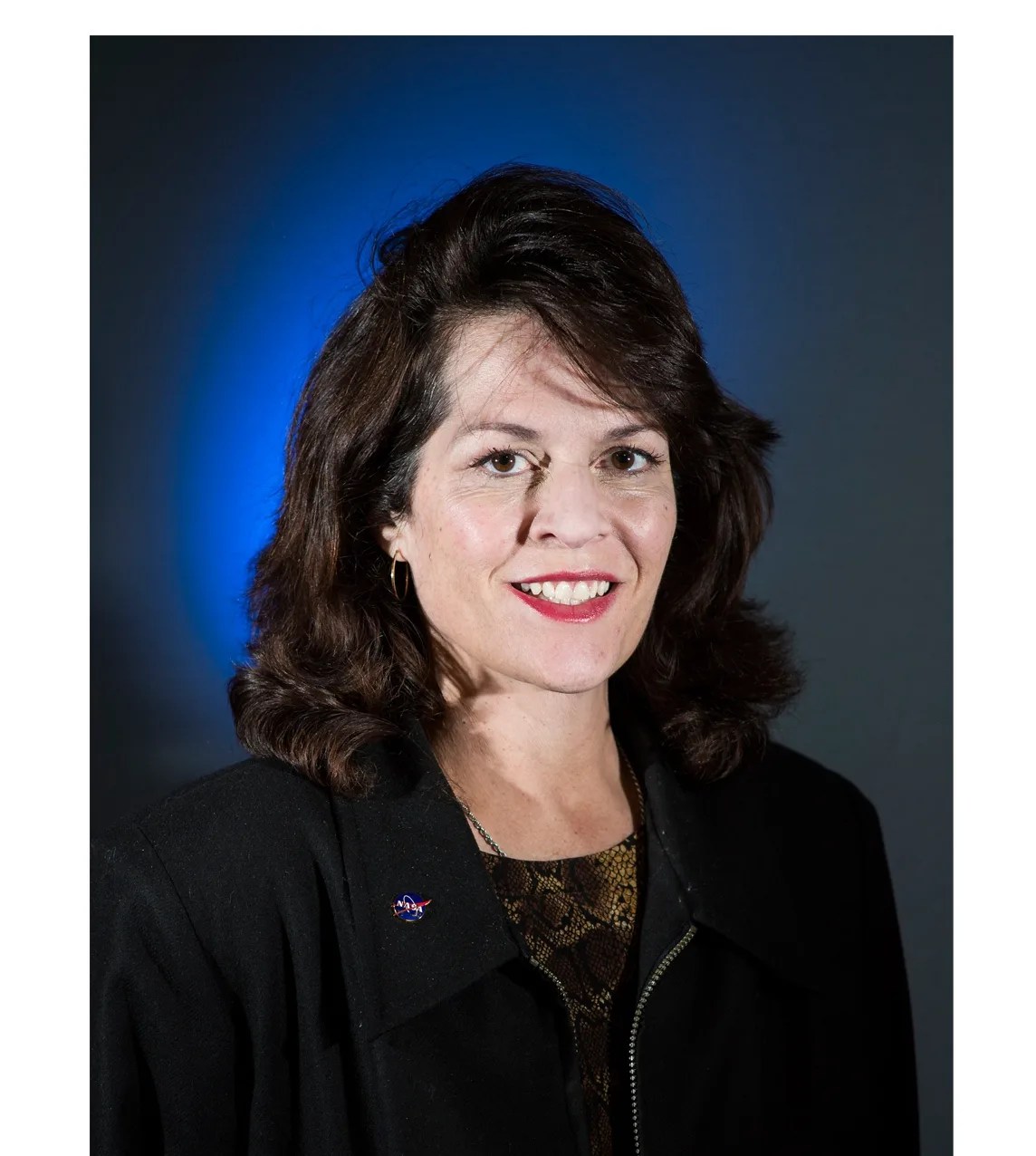

Station Nation: Erin Edwards, Deputy Branch Chief for Crew Operations and Capsule Communicator
As a member of the Crew Operations Office, Erin Edwards and her team manage astronaut candidate training schedules, including field medical exercises,
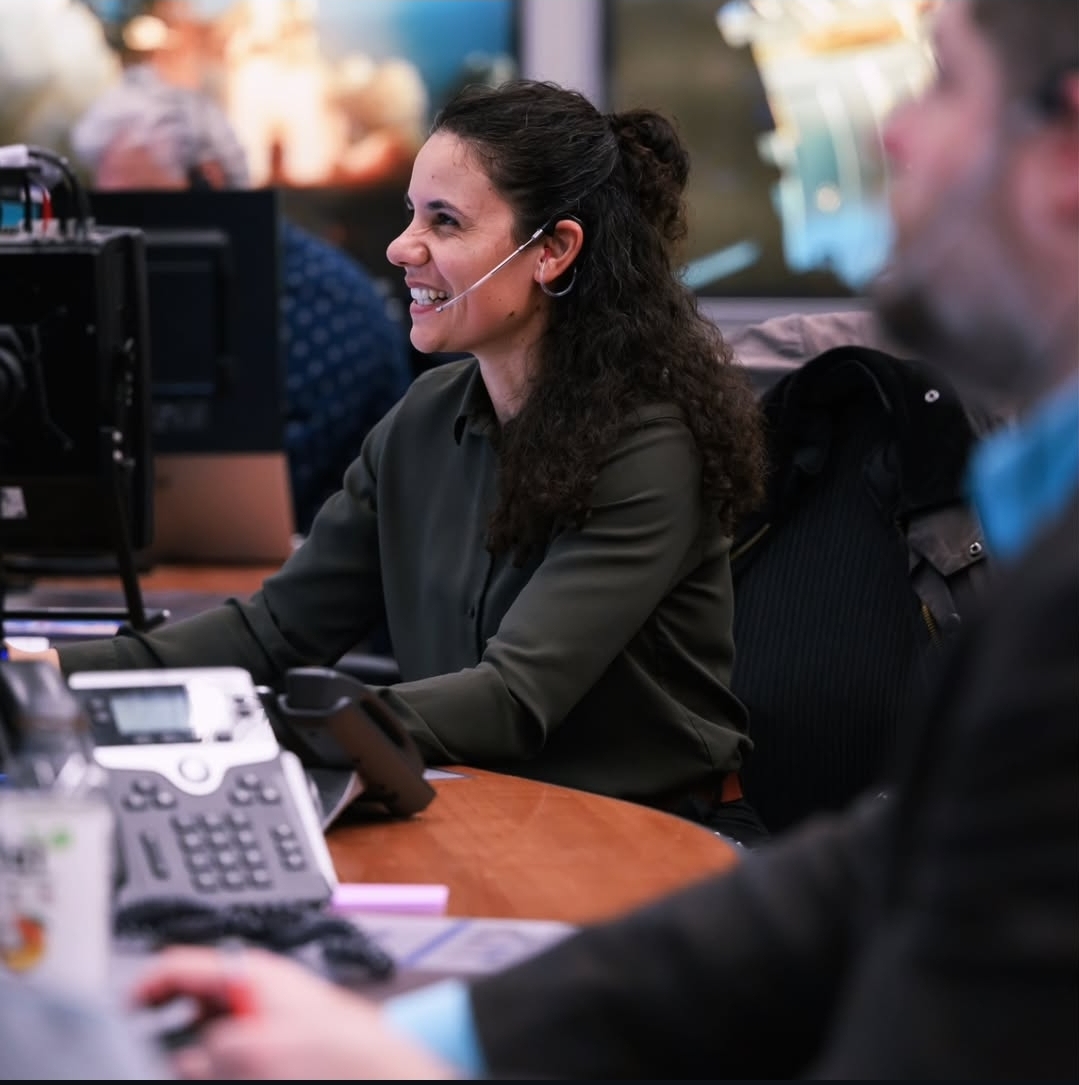
As a member of the Crew Operations Office, Erin Edwards and her team manage astronaut candidate training schedules, including field medical exercises, land survival, and underwater operations at NASA’s Neutral Buoyancy Laboratory in Houston. She also develops and tests new training programs to keep crews mission-ready.
Along with her role as a crew operations officer, Edwards works in the International Space Station Mission Control Center as a capsule communicator, or capcom, and instructor. As a capcom, she must be fluent in the language of the spacecraft and its operations to clearly relay important information to the crew, especially during dynamic operations.
Read on to learn about Edwards’ career with NASA and more!
Where are you from?
Port Moody, British Columbia, Canada.
How long have you been working for NASA?
I’ve been at NASA for two years. My term here with the military is three years.
What was your path to NASA?
Super random! I’m a Canadian military pilot, previously working in the Canadian Special Operations Forces Command as an aircraft commander on the CH-146 Griffon. While we use a lot of space-based assets in aviation, the leap to human spaceflight was unexpected.
An opportunity for an officer to work in the astronaut office as a capcom arose a few years ago. As a lifelong space nerd, I figured it would be an amazing opportunity. I applied and was interviewed, and before long, was posted to NASA’s Johnson Space Center as the first Canadian non-astronaut to be posted as a capcom and later as an operations officer.
How would you describe your job to family or friends that may not be familiar with NASA?
My team and I organize the unassigned crew and astronaut candidates’ work lives! As a capcom, I help translate what the engineers are saying in the flight control room for the astronauts aboard the station, and I help with the station activities as call sign Houston. More recently I’ve been assigned as the TH57 Helicopter Project Pilot at AOD to help get that fleet integrated for more lunar-focused Space Flight Readiness Training.
What advice would you give to young individuals aspiring to work in the space industry or at NASA?
Just go for it! You miss 100% of the shots you don’t take, as Wayne Gretzky said. My background as a military helicopter pilot, Navy diver, and mining engineer may appear to have no relevance to NASA, but that diverse experience has turned out to be useful here as an operations officer for astronaut training. I wouldn’t have known that if I hadn’t thrown my hat in the ring. No matter your technical background, there’s probably a place for it in spaceflight. Your experience has unique ways of benefiting such complex, multifaceted programs like spaceflight—so give it a shot!
Is there a space figure you’ve looked up to or someone that inspires you?
Erin Edwards
Deputy Branch Chief for Crew Operations and Capsule Communicator
Honestly, there isn’t a single person, but I think what NASA and my own country’s space program, like others, have committed themselves to as a giant team is what has inspired me over the years. I think I was inspired by that, the mission, and the culture of a united effort of so many to do hard things.
What is your favorite NASA memory or the most meaningful project you’ve worked on during your time with NASA?
There are two! After only a few months at NASA, I was told by my soon-to-be boss, James ‘Vegas’ Kelly, that I was selected to take over NASA astronaut Jonny Kim’s operations job. This was a huge vote of confidence for me as a new team member from Canada. The second was sending my first transmission to the station as a qualified capcom, which was incredibly cool. I am just a big nerd from a small town in Canada, and never in a million years did I think I would be at NASA at that console, so it was a little mind blowing.
What do you love sharing about station?
Erin Edwards
Deputy Branch Chief for Crew Operations and Capsule Communicator
People always seem surprised at how big the teams are that support the station and how collaborative of an effort it is. It stretches across disciplines, centers, and even countries. That information is critical for solving problems here on Earth.
November 2, 2025, marked 25 years of continuous human presence. What does this milestone mean to you?
A quarter century of science and partnership aboard the orbital laboratory is a testament to what we can do as a global society when we really want to. To me personally, being able to be here with people who have worked in space or help train the people going next is such a full circle situation. I dreamed of working on a team like this, and it happened 20 years later. That opportunity to fulfill a dream and represent Canada as part of the ISS program means a lot to me!
If you could have dinner with any astronaut, past or present, who would it be?
I was never able to meet Sally Ride. I think I would have loved to ask her some questions and hear her story in person.
Do you have a favorite space-related memory or moment that stands out to you?
Dr. Robert Thirsk, a Canadian astronaut, spoke to my elementary school in 1996, which he had attended years earlier. I was in sixth grade, and it was a formative interaction. Hearing him talk so passionately about his shuttle mission and life with his team aboard the orbiter was absolutely lifechanging. I didn’t know how I was going to do it, but I decided then that I wanted to work in space. That set my course for life. I’ll likely never get to space, but I got pretty close, and it is really something to pursue a goal like that for so long and have it work out, almost
What are some of the key projects you have worked on during your time at NASA? What have been your favorite?
Being able to put my operational helicopter background to use in helping to build the helicopter flight program here has been a really cool and unexpected opportunity! I happened to be the right person at the right time with the right skill set to make a difference in that aspect of training. I’m proud of that.
What are your hobbies/things you enjoy doing outside of work?
I’m in my forties, but still really like playing contact rugby, which is such a fun sport. Between the tactics, teamwork, bashing into people on the pitch, and a cheeky beer after a game, it’s a great way to spend a weekend. I run a lot and, when I can, climb – any kind of climbing, sport, bouldering, trad, ice climbing. All of it!
Day launch or night launch?
Night launch!
Favorite space movie?
Apollo 13. Obviously.
NASA Worm or Meatball logo?
Meatball!
NASA and its partners have supported humans continuously living and working in space since November 2000. After 25 years of continuous human presence, the space station remains a training and proving ground for the future of commercial space stations, deep space missions, enabling NASA’s Artemis campaign, lunar exploration, and future Mars missions.
Every day, we are conducting exciting research aboard our orbiting laboratory that will help us explore farther into space and bring benefits back to people on Earth. You can keep up with the latest news, videos, and pictures about space station science on the Station Research & Technology news page. It is a curated hub of space station research digital media from Johnson and other centers and space agencies.
Sign up for our weekly email newsletter to get the updates delivered directly to you.
Follow updates on social media at @Space_Station on X, and on the space station accounts on Facebook and Instagram.