
SSHStalker Botnet Uses IRC C2 to Control Linux Systems via Legacy Kernel Exploits
Ravie LakshmananFeb 11, 2026Linux / Botnet Cybersecurity researchers have disclosed details of a new botnet operation called SSHStalker that
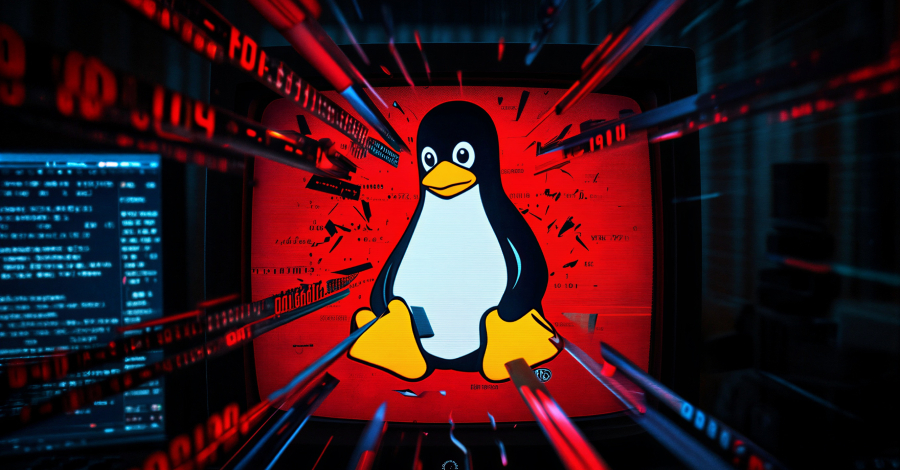
Cybersecurity researchers have disclosed details of a new botnet operation called SSHStalker that relies on the Internet Relay Chat (IRC) communication protocol for command-and-control (C2) purposes.
“The toolset blends stealth helpers with legacy-era Linux exploitation: Alongside log cleaners (utmp/wtmp/lastlog tampering) and rootkit-class artifacts, the actor keeps a large back-catalog of Linux 2.6.x-era exploits (2009–2010 CVEs),” cybersecurity company Flare said. “These are low value against modern stacks, but remain effective against ‘forgotten’ infrastructure and long-tail legacy environments.”
SSHStalker combines IRC botnet mechanics with an automated mass-compromise operation that uses an SSH scanner and other readily available scanners to co-opt susceptible systems into a network and enroll them in IRC channels.
However, unlike other campaigns that typically leverage such botnets for opportunistic efforts like distributed denial-of-service (DDoS) attacks, proxyjacking, or cryptocurrency mining, SSHStalker has been found to maintain persistent access without any follow-on post-exploitation behavior.
This dormant behavior sets it apart, raising the possibility that the compromised infrastructure is being used for staging, testing, or strategic access retention for future use.
A core component of SSHStalker is a Golang scanner that scans for port 22 for servers with open SSH in order to extend its reach in a worm-like fashion. Also dropped are several payloads, including variants of an IRC-controlled bot and a Perl file bot that connects to an UnrealIRCd IRC Server, joins a control channel, and waits for commands that allow it to carry out flood-style traffic attacks and commandeer the bots.
The attacks are also characterized by the execution of C program files to clean SSH connection logs and erase traces of malicious activity from logs to reduce forensic visibility. Furthermore, the malware toolkit contains a “keep-alive” component that ensures the main malware process is relaunched within 60 seconds in the event it’s terminated by a security tool.

SSHStalker is notable for blending mass compromise automation with a catalog of 16 distinct vulnerabilities impacting the Linux kernel, some going all the way back to 2009. Some of the flaws used in the exploit module are CVE-2009-2692, CVE-2009-2698, CVE-2010-3849, CVE-2010-1173, CVE-2009-2267, CVE-2009-2908, CVE-2009-3547, CVE-2010-2959, and CVE-2010-3437.
Flare’s investigation of the staging infrastructure associated with the threat actor has uncovered an extensive repository of open-source offensive tooling and previously published malware samples. These include –
- Rootkits to facilitate stealth and persistence
- Cryptocurrency miners
- A Python script that executes a binary called “website grabber” to steal exposed Amazon Web Services (AWS) secrets from targeted websites
- EnergyMech, an IRC bot that provides C2 and remote command execution capabilities
It’s suspected that the threat actor behind the activity could be of Romanian origin, given the presence of “Romanian-style nicknames, slang patterns, and naming conventions inside IRC channels and configuration wordlists.” What’s more, the operational fingerprint exhibits strong overlaps with that of a hacking group known as Outlaw (aka Dota).
“SSHStalker does not appear to focus on novel exploit development but instead demonstrates operational control through mature implementation and orchestration, by primarily using C for core bot and low-level components, shell for orchestration and persistence, and limited Python and Perl usage mainly for utility or supporting automation tasks inside the attack chain and running the IRCbot,” Flare said.
“The threat actor is not developing zero-days or novel rootkits, but demonstrating strong operational discipline in mass compromise workflows, infrastructure recycling, and long-tail persistence across heterogeneous Linux environments.”