
Research on problem gambling included in defense funding law
Gambling addiction is now a topic that researchers can study under a Department of Defense program that provides federal
Gambling addiction is now a topic that researchers can study under a Department of Defense program that provides federal funding for issues affecting U.S. military personnel and veterans.
For the first time, the fiscal 2026 defense appropriations bill included problem gambling as a research topic sanctioned by the Defense Department under its Peer Reviewed Medical Research Program. Gambling addiction joins more than 240 subjects authorized by Congress to receive funding under the program.
Last July, the National Council on Problem Gambling joined forces with gaming companies BetMGM, MGM Resorts and FanDuel to ask Senate appropriators to include funding for gambling research in the Pentagon’s fiscal 2026 budget bill.
According to the 2022 Defense Department Health Related Behaviors Survey, 1.6% of active-duty service members reported a problem with gambling and 1.7% of reserve members screened positive for a gambling addiction.
Despite this, however, there has been a dearth of research on the impact of gambling on the military community, according to the NCPG.
Being listed among the allowable topics in the Peer Reviewed Medical Research Program doesn’t guarantee that the subject will be studied. But it makes federal funding available and is a step in the right direction, according to NCPG Executive Director Heather Maurer.
“For the first time, federal research funding is being made available to study gambling addiction. This development is especially critical for servicemembers and veterans who face elevated risk and have historically been underserved by research,” Maurer said in a statement.
An estimated 7.5 million to 10.5 million Americans have a gambling disorder, considered a behavioral health issue similar to alcohol, drug and tobacco addiction, according to NCPG.
Problem gambling is linked to a six-fold increase in homelessness among veterans with the disorder and 40% of those seeking treatment for gambling addiction have attempted suicide, the group said.
The fiscal 2026 Consolidated Appropriations Act, which includes defense funding, contains $370 million for research on the topics allowed under the PRMP. It was signed into law by President Donald Trump on Tuesday.
The program provides federal funding in several scientific study areas that affect military families and are also relevant to public health. Subjects include: infectious diseases, autoimmune disorders, cardiovascular health, internal medicine, respiratory health, rare diseases and more.
Advocates hope researchers will apply for funding to examine the impact of gambling on military personnel, to include online gambling and sports betting, intervention and treatment.
“This inclusion sends a clear signal that gambling addiction is a public health issue, not a stigma,” Maurer said. “When we invest in research, we reduce stigma, improve care, and build the knowledge needed to protect individuals, families, and readiness.”
The Department of Veterans Affairs operates two residential gambling addiction treatment centers — in Cleveland at the Louis Stokes VA Medical Center and at the VA Residential Recovery and Renewal Center in Las Vegas.
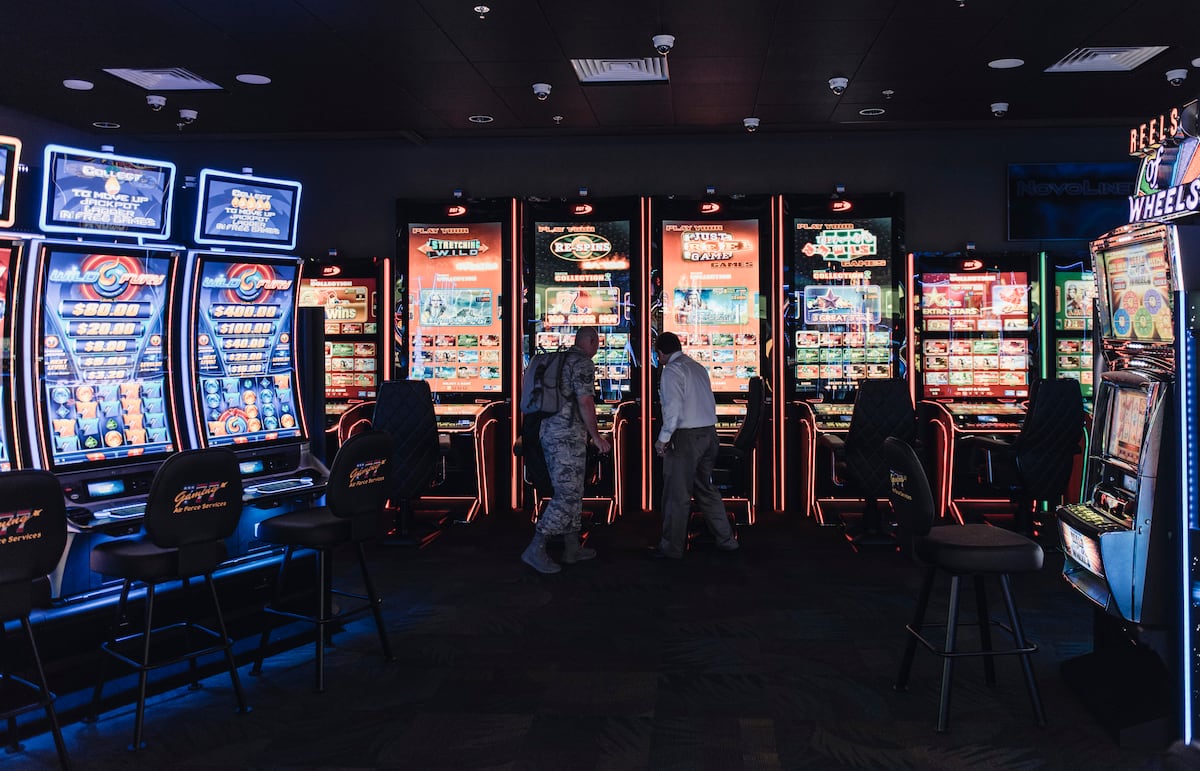
More than 3,000 slot machines are located on U.S. military installations in Germany, Japan and South Korea, generating $100 million a year for recreational facilities and programs.
In 2024, lawmakers offered an amendment to the fiscal 2025 defense policy bill that would have banned slot machines from overseas bases, saying their presence increase the risk for gambling addiction among service members. The proposal did not make it into the final version of the law.
Patricia Kime is a senior writer covering military and veterans health care, medicine and personnel issues.