



Northwestern Medicine’s new antibody wakes the immune system against pancreatic cancer
Scientists at Northwestern have uncovered a clever trick that helps pancreatic cancer hide from the immune system — and
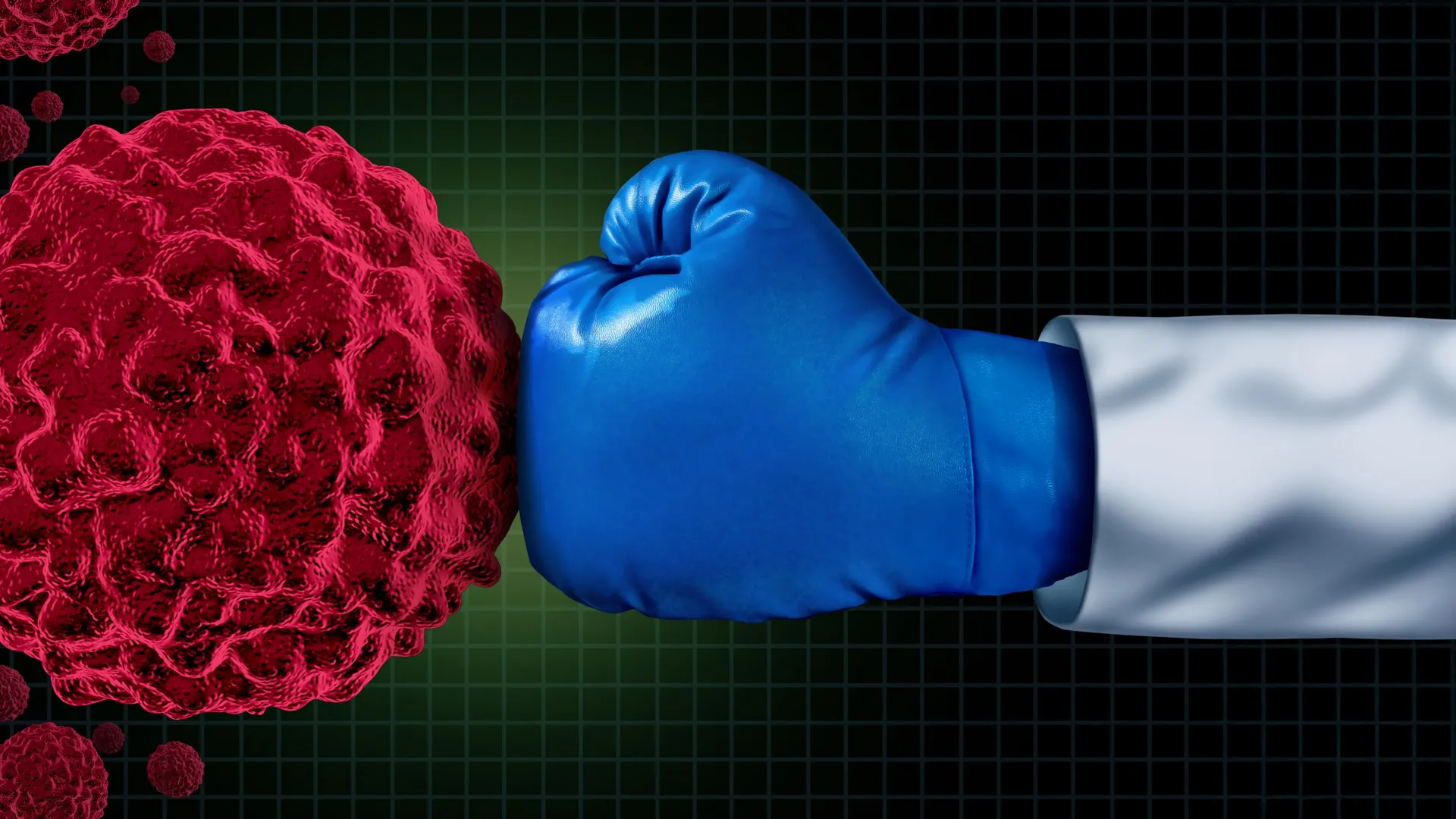
Scientists at Northwestern have uncovered a clever trick that helps pancreatic cancer hide from the immune system — and a potential way to stop it.
- Pancreatic cancer remains one of the most lethal cancers, often found too late and difficult to treat with current therapies
- Researchers uncovered a sugar-based coating that allows pancreatic tumors to hide from the immune system
- An experimental antibody removed that disguise, allowing immune cells to attack the cancer and slow tumor growth in mice
- The research team is now refining the antibody and preparing for early studies in humans
Pancreatic cancer is one of the most difficult cancers to treat, in part because it often does not respond to even the most advanced immune-based therapies. Scientists at Northwestern Medicine have now uncovered a key reason why. Their research shows that pancreatic tumors use a sugar-based disguise to avoid detection by the immune system. The team also developed an experimental antibody that blocks this deceptive signal and allows immune cells to recognize the cancer again.
The researchers identified this immune evasion strategy for the first time and demonstrated that interfering with it using a monoclonal antibody can restore immune activity. In preclinical mouse studies, immune cells became active again and began attacking cancer cells.
“It took our team about six years to uncover this novel mechanism, develop the right antibodies and test them,” said study senior author Mohamed Abdel-Mohsen, associate professor of medicine in the division of infectious diseases at Northwestern University Feinberg School of Medicine.
“Seeing it work was a major breakthrough.”
The findings were published in the journal Cancer Research (published by the American Association for Cancer Research).
Why Pancreatic Cancer Evades Treatment
Pancreatic cancer remains among the deadliest forms of cancer. It is frequently diagnosed at an advanced stage, offers limited treatment options, and has a five-year survival rate of only 13%. Unlike some other cancers, it often does not respond well to immunotherapies.
One reason is that immune activity inside pancreatic tumors is unusually low. “We set out to learn why, and whether we could flip that environment, so immune cells attack tumor cells instead of ignoring or even helping them,” Abdel-Mohsen said.
The research team discovered that pancreatic tumors take advantage of a protective system normally used by healthy cells. Under normal circumstances, healthy cells display a sugar called sialic acid on their surface. This sugar sends a signal to the immune system that essentially says, “don’t harm me.”
How Tumors Use a Sugar-Based Disguise
The scientists found that pancreatic cancer cells copy this strategy. Tumors add the same sugar to a surface protein known as integrin α3β1. This sugar-coated protein can then bind to a receptor on immune cells called Siglec-10, triggering a false signal that tells immune cells to stand down.
“In short, the tumor sugar-coats itself — a classic wolf-in-sheep’s-clothing move — to escape immune surveillance,” Abdel-Mohsen explained.
Developing an Antibody to Block the Signal
After uncovering this hidden mechanism, the Northwestern team worked to create monoclonal antibodies capable of blocking it. When tested in laboratory experiments and in two animal models, the antibodies restored immune activity. Immune cells began engulfing cancer cells, and tumor growth slowed significantly compared with untreated mice.
Creating the antibody required extensive testing. “When you make an antibody, you test what are called hybridomas, cells that produce antibodies. We screened thousands before finding the one that worked,” Abdel-Mohsen said.
The researchers now plan to study how the antibody performs alongside existing chemotherapy and immunotherapy options. “There’s a strong scientific rationale to believe combination therapy will allow us to reach our ultimate goal: a full remission,” he said. “We don’t want only a 40% tumor reduction or slowing down. We want to remove the cancer altogether.”
Moving Toward Human Studies
According to Abdel-Mohsen, the team is currently refining the antibody for use in humans and preparing for early safety and dosing studies. At the same time, researchers are testing the therapy in combination with standard treatments and developing a diagnostic test to identify which patients have tumors that rely on this sugar-based pathway. This approach could help doctors match the therapy to the patients most likely to benefit.
If progress continues as expected, Abdel-Mohsen estimates the treatment could be available to patients in about five years.
The implications may extend beyond pancreatic cancer. “We’re now asking whether the same sugar-coat trick shows up in other hard-to-treat cancers, such as glioblastoma, and in non-cancer diseases where the immune system is misled,” he said.
A Growing Field of Sugar-Based Immunology
Abdel-Mohsen’s laboratory focuses on glyco-immunology, an emerging area of research that examines how sugars influence immune responses. “We’re just scratching the surface of this field,” he said. “Here at Northwestern, we’re positioned to turn these sugar-based insights into real treatments for cancer, infectious diseases and aging-related conditions.”
Abdel-Mohsen is a member of the Robert H. Lurie Comprehensive Cancer Center of Northwestern University.
The paper is titled “Targeting Interactions Between Siglec-10 and α3β1 Integrin Enhances Macrophage-Mediated Phagocytosis of Pancreatic Cancer.” The research was supported in part by Northwestern University’s Center for Human Immunobiology Pilot Award, 2025-2026 to Abdel-Mohsen. Abdel-Mohsen also receives support from National Institutes of Health grants R01AG092241, R01AI165079, R01AA029859, R01DK123733 R01AI189353 and R01NS117458, as well as the NIH-funded BEAT-HIV Martin Delaney Collaboratory to Cure HIV-1 Infection (1UM1AI126620).