



NASA’s Wideband Technology Demo Proves Space Missions are Free to Roam
Just like your cellphone stays connected by roaming between networks, NASA’s Polylingual Experimental Terminal, or PExT, technology demonstration is
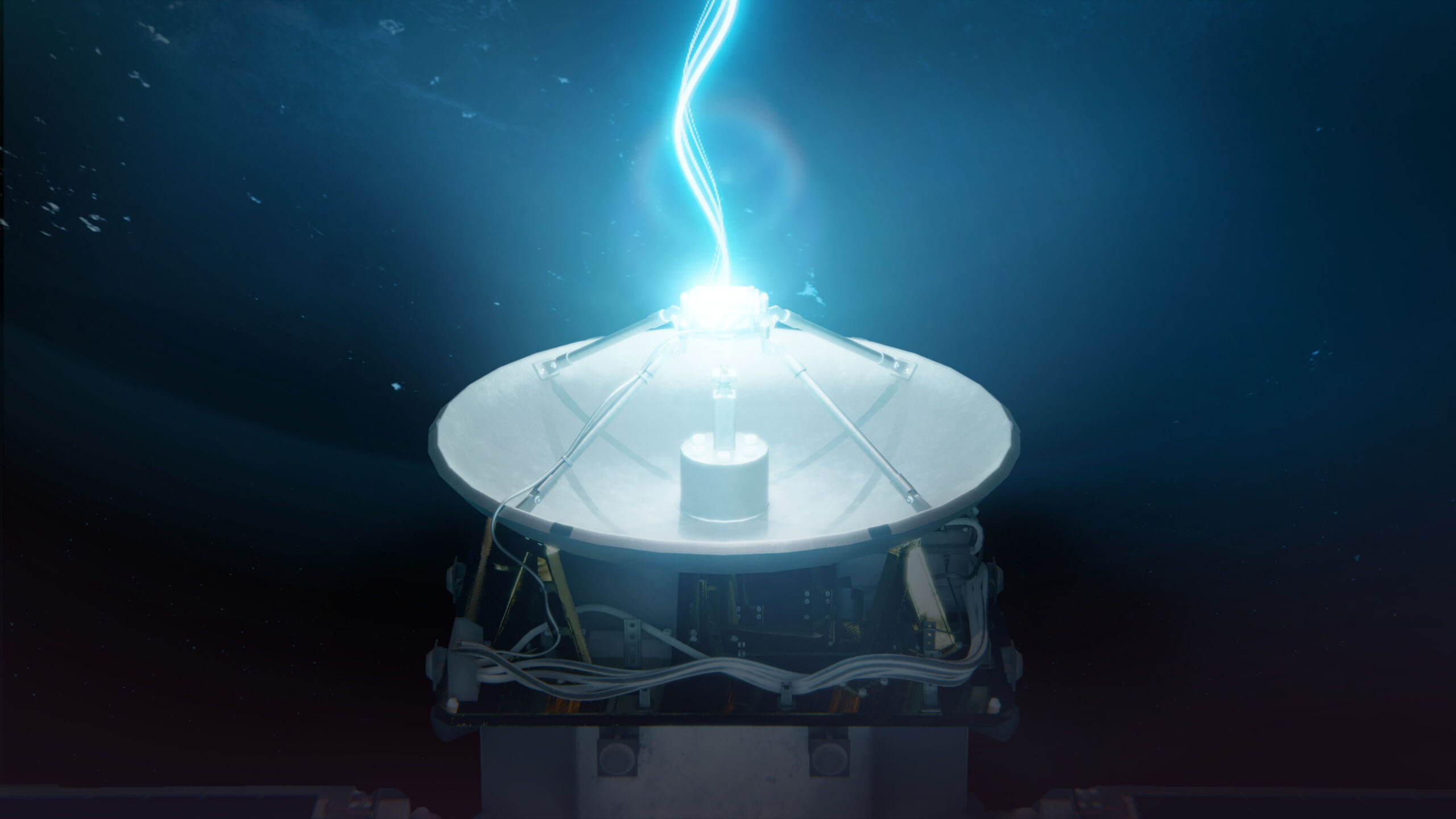
Just like your cellphone stays connected by roaming between networks, NASA’s Polylingual Experimental Terminal, or PExT, technology demonstration is proving space missions can do the same by switching seamlessly between government and commercial communications networks.
NASA missions rely on critical data to navigate, monitor spacecraft health, and transmit scientific information back to Earth, and this game-changing technology could provide multiple benefits to government and commercial missions by enabling more reliable communications with fewer data interruptions.
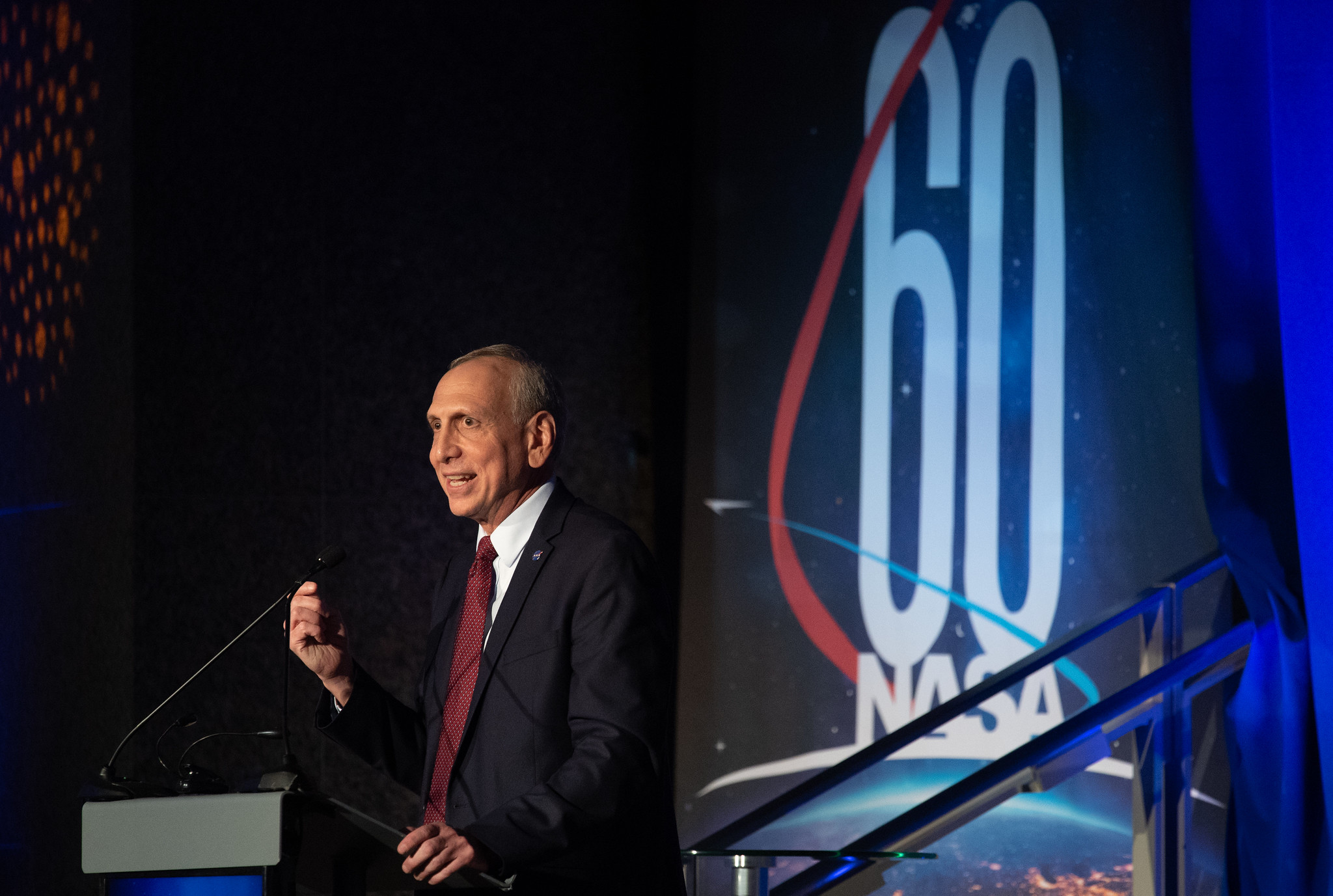
“This mission has reshaped what’s possible for NASA and the U.S. satellite communications industry,” said Kevin Coggins, deputy associate administrator for the agency’s SCaN (Space Communications and Navigation) Program at NASA Headquarters in Washington. “PExT demonstrated that interoperability between government and commercial networks is possible near-Earth, and we’re not stopping there. The success of our commercial space partnerships is clear, and we’ll continue to carry that momentum forward as we expand these capabilities to the Moon and Mars.”
Kevin Coggins
Deputy Associate Administrator for SCaN
Wideband technology enables data exchange across a broad range of frequencies, helping bridge government and commercial networks as NASA advances commercialization of space communications. By providing interoperability between government and commercial assets, this technology unlocks new advantages not currently available to agency missions.
As commercial providers continue to advance their technology and add new capabilities to their networks, missions equipped with wideband terminals can integrate these enhancements even after launch and during active operations. The technology also supports NASA’s network integrity by allowing missions to seamlessly switch back and forth between providers if one network faces critical disruptions that would otherwise interfere with timely communications.
“Today, we take seamless cellphone roaming for granted, but in the early days of mobile phones, our devices only worked on one network,” said Greg Heckler, SCaN’s capability development lead at NASA Headquarters. “Our spaceflight missions faced similar limitations—until now. These revolutionary tests prove wideband terminals can connect spacecraft to multiple networks, a huge benefit for early adopter missions transitioning to commercial services in the 2030s.”
On July 23, the communications demo launched into low Earth orbit aboard the York Space Systems’ BARD mission. Designed by Johns Hopkins Applied Physics Laboratory, the compact wideband terminal communicates over a broad range of the Ka-band frequency, which is commonly used by NASA missions and commercial providers. After completing a series of tests that proved the BARD spacecraft and the demonstration payload were functioning as expected, testing kicked off with NASA’s TDRS (Tracking and Data Relay Satellite) fleet and commercial satellite networks operated by SES Space & Defense and Viasat.
During each demonstration, the terminal completed critical space communications and navigation operations, ranging from real-time spacecraft tracking and mission commands to high-rate data delivery. By showcasing end-to-end services between the BARD spacecraft, multiple commercial satellites, and mission control on Earth, the wideband terminal showed future NASA missions could become interoperable with government and commercial infrastructure.
Due to the flexibility of wideband technology and the innovative nature of this mission, NASA recently extended the Polylingual Experiment Terminal demonstration for an additional 12 months of testing. Extended mission operations will include new direct-to-Earth tests with the Swedish Space Corporation, scheduled to begin in early 2026.
This technology demonstration will continue testing spaceflight communications capabilities through April 2027. By 2031, NASA plans to purchase satellite relay services for science missions in low Earth orbit from one or more U.S. companies.
To learn more about this wideband technology demonstration visit:
The Polylingual Experimental Terminal technology demonstration is funded and managed by NASA’s SCaN Program within the Space Operations Mission Directorate at NASA Headquarters in Washington. York Space Systems provided the host spacecraft. Johns Hopkins Applied Physics Laboratory developed the demonstration payload. Commercial satellite relay demonstrations were conducted in partnership with SES Space & Defense and Viasat.