

“Marine darkwaves”: Hidden ocean blackouts are putting sealife at risk
Clouds, smoke, and fog can block sunlight in the sky, but beneath the ocean surface, very different forces can
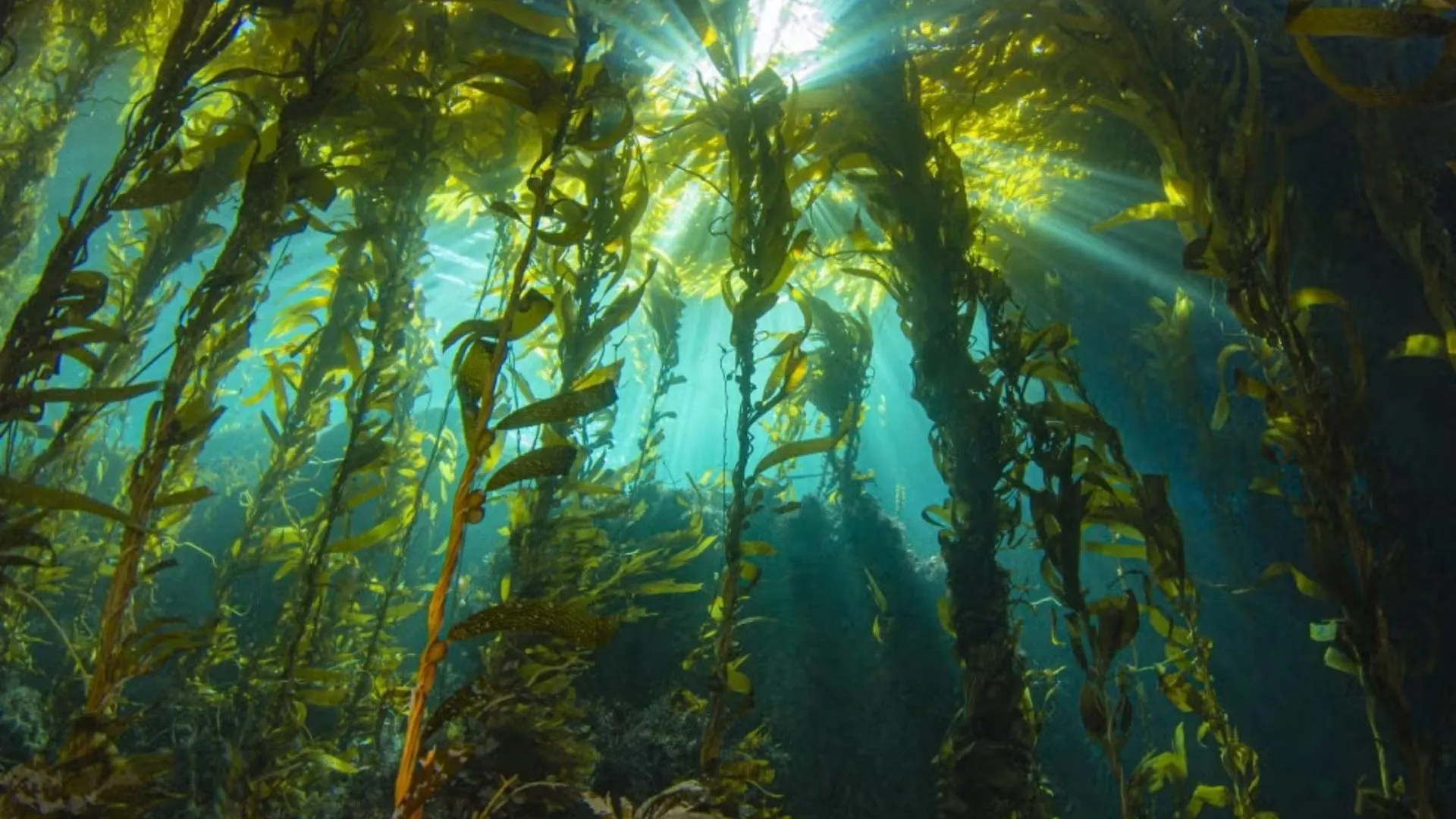
Clouds, smoke, and fog can block sunlight in the sky, but beneath the ocean surface, very different forces can plunge the seafloor into darkness. Sediment runoff, algae blooms, and organic debris can sharply reduce underwater light, sometimes transforming bright coastal waters into near night. To better understand these events, an international team of scientists has developed the first system designed to identify and compare what they call marine blackouts.
The research, published in Communications Earth & Environment, introduces the concept of a marine darkwave. These events are short-lived but intense periods of underwater darkness that can seriously disrupt kelp forests, seagrass meadows, and other marine organisms that depend on light to survive.
Why Light Matters in the Ocean
“We have long known that light levels are critical for photosynthetic organisms — like algae, seagrasses and corals — and that factors that reduce light to the seafloor can impact them,” said co-author Bob Miller, a research biologist at UC Santa Barbara’s Marine Science Institute. “This study creates a framework for comparing such events, which we call darkwaves.”
Until now, scientists lacked a shared method for evaluating extreme losses of underwater light across different regions. The goal of the new framework is to make these events measurable and comparable worldwide.
“Light is a fundamental driver of marine productivity, yet until now we have not had a consistent way to measure extreme reductions in underwater light,” said lead author François Thoral, a postdoctoral fellow at the University of Waikato and Earth Sciences New Zealand.
Decades of Data Reveal a Hidden Pattern
To build the framework, researchers analyzed long-term data from multiple coastal regions. The study used 16 years of measurements from the Santa Barbara Coastal Long Term Ecological Research Site (LTER) and 10 years of observations from New Zealand coastal locations in Hauraki Gulf/Tīkapa Moana, in the Firth of Thames. The team also examined 21 years of seafloor light estimates derived from satellite data along New Zealand’s East Cape.
Across these areas, marine darkwaves ranged from brief events lasting only a few days to prolonged episodes that persisted for more than two months. In some cases, light reaching the seabed was almost completely eliminated.
The researchers identified between 25 and 80 darkwave events along the East Cape since 2002. Many were associated with powerful storms and large-scale weather systems, including Cyclone Gabrielle.
Short-Term Darkness With Lasting Consequences
For years, scientists have focused on slow, long-term declines in water clarity as a major threat to coastal ecosystems. The new findings suggest that sudden darkwave events may be just as damaging.
“Even short periods of reduced light can impair photosynthesis in kelp forests, seagrass and corals,” Thoral said. “These events can also influence the behaviour of fish, sharks and marine mammals. When darkness persists, the ecological effects can be significant.”
A New Tool for Tracking Ocean Stress
The marine darkwave framework adds to existing tools used to monitor marine heatwaves, ocean acidification, and deoxygenation. Together, these systems offer coastal communities, conservation groups, and resource managers a clearer way to recognize when marine ecosystems are under intense and immediate stress.
Because the Santa Barbara Coastal LTER is one of the few programs worldwide that collects long-term measurements of light on the seafloor, Miller and his colleagues at UCSB plan to expand their work. They aim to investigate how sedimentation and turbidity — which are influenced by fires and mudslides — affect California’s kelp forests.