

Lebanon and Israel talks set to begin in Washington
BEIRUT, Lebanon — The first direct talks between Israel and Lebanon are set to begin today in Washington, marking
BEIRUT, Lebanon — The first direct talks between Israel and Lebanon are set to begin today in Washington, marking a rare diplomatic engagement between two parties technically at war since 1948.
The U.S.-brokered talks will be conducted through their respective ambassadors in the United States, attempting to halt the Israeli bombardment in Lebanon through a diplomatic settlement.
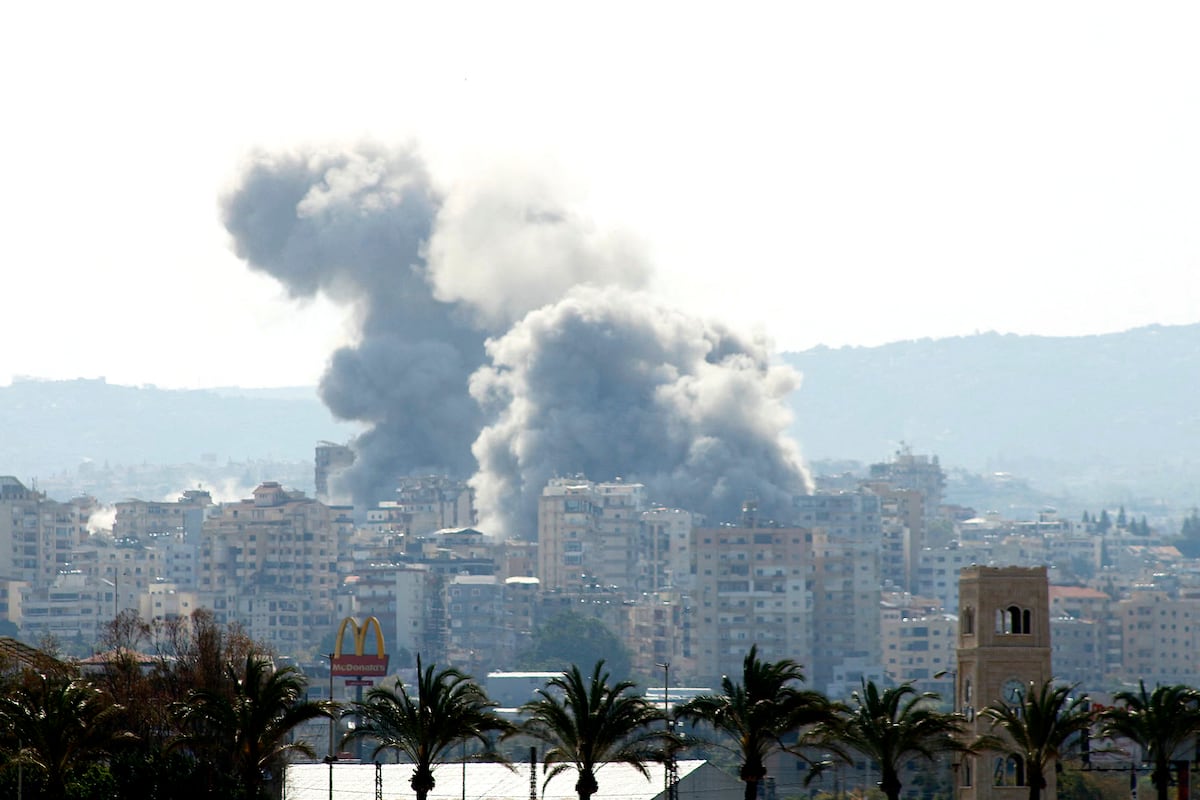
Lebanon had called for direct talks from the early stages of the latest Israeli escalation against Hezbollah, which has killed more than 2,000 people in the country. Israel had initially rejected the proposal, later agreeing to talks following a two-week ceasefire proposal and unsuccessful talks between the U.S. and Iran.
Lebanon does not recognize the State of Israel and they remain formally at war since Israel’s founding in 1948 and the expelling of Palestinians.
While Israeli leaders have instructed the army to scale back attacks on Beirut at Washington’s request — following the coordinated, multi-front attack that targeted more than 100 locations within 10 minutes and killed over 350 people — Israeli military operations continue in southern Lebanon.
Clashes remains intense in several areas, particularly around the strategic village of Bint Jbeil, where the Israeli army seeks to consolidate positions. Hezbollah has been firing rockets into northern Israel while fighters in the area are attempting to contain the advance and inflict casualties on Israeli forces.
Several members of Israel’s Cabinet have repeatedly indicated the goal to control southern Lebanon and stretch the Israeli northern border up to the Litani River, approximately 30 kilometers inside Lebanese territory.
The Lebanese government has reiterated its commitment to disarm Hezbollah, though officials acknowledge that such a process would take time.
Through direct talks, Beirut seeks to reassert state authority, which has weakened in recent years, and to secure a ceasefire as a basis for further negotiations. In a reference to Hezbollah and Iran, Lebanese officials have stressed that no third parties should represent the country in negotiations.
Hezbollah, for its part, has opposed the talks, particularly in the absence of a ceasefire, viewing them as a free concession to Israel under fire. This divergence risks further straining Lebanon’s already fragile domestic balance.
Lebanese President Joseph Aoun has stated that Lebanon wants a sustainable solution but cautioned that efforts cannot be “one-sided.” Israeli officials are not expected to agree to a ceasefire during today’s meeting. Instead, the talks are likely to focus on establishing a framework and timeline for future negotiations.
Agnese Stracquadanio is a Middle East correspondent for Defense News. She has a background in writing and photojournalism, holds a master’s degree in international relations, and previously worked for Reuters.