Japan decries Chinese export restrictions that could cripple defenses
[ad_1] MANILA, Philippines — The Japanese government has urged China to withdraw sweeping export restrictions on dual-use items that
[ad_1]
MANILA, Philippines — The Japanese government has urged China to withdraw sweeping export restrictions on dual-use items that block goods for Japan’s defense forces.
A statement from China’s Ministry of Commerce, released on Jan. 6, prohibits the export of all dual-use items Japan uses for military purposes.
China did not stipulate covered items, but experts believe the restrictions could affect rare earth minerals.
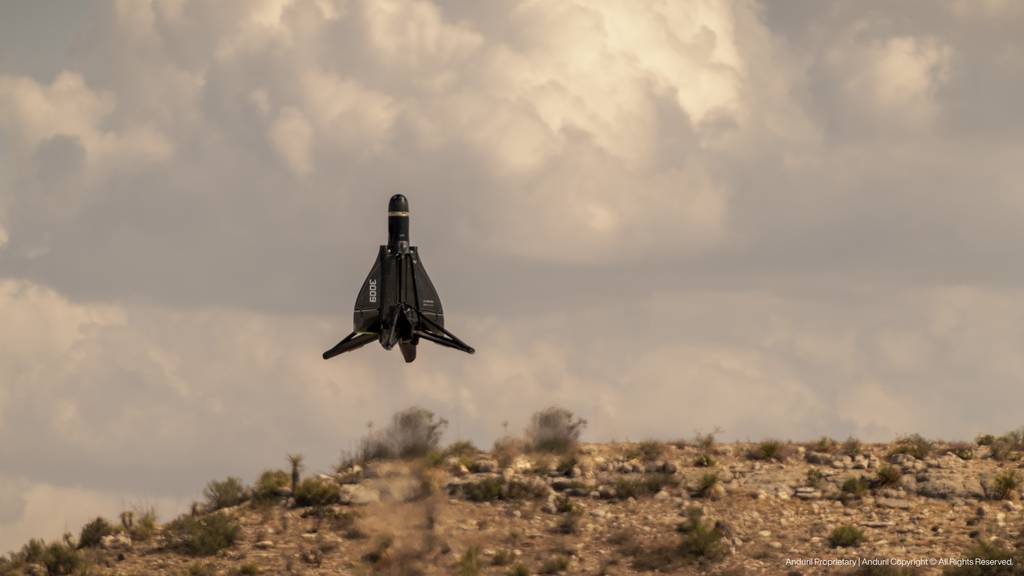
According to a Reuters report, Beijing’s export control list for dual-use goods and technologies contains more than 1,000 items including medium and heavy rare earth minerals. These critical minerals are used in products such as batteries, wind turbines, computers and defense equipment, including drones and missiles.
The Chinese ban also covers “end-users and end-use producers” – or firms and organizations that export or produce dual-use items from China to construct military products for Japan.
Japan’s Ministry of Foreign Affairs called the move “unacceptable and deeply regrettable.”
The restrictions come amid a deteriorating relationship between Tokyo and Beijing after a statement in early November by Japanese Prime Minister Sanae Takaichi about the Asian nation’s potential responses to a possible naval blockade of Taiwan caused an uproar in Beijing.
Chinese officials claimed that Takaichi’s statement violated the One China principle and was an indicator of Japanese interference in China’s domestic affairs.
China temporarily embargoed the exports of rare earth minerals to Japan in 2010, and the United States had been blocked from certain critical minerals in 2024. The export ban, however, was relaxed late last year during trade negotiations with Washington.
Japan’s Chief Cabinet Secretary Minoru Kihara told reporters on Jan. 7 that the government is still assessing the potential impact of the restriction on Japanese industries since the situation is “not crystal clear at the moment.”
Leilani Chavez is an Asia correspondent for Defense News. Her reporting expertise is in East Asian politics, development projects, environmental issues and security.
[ad_2]
Source link