Iran leader says country in ‘full-fledged’ war with US, Israel, Europe
Iranian President Masoud Pezeshkian said his country is engaged in a “full-fledged war with America, Israel, and Europe,” raising
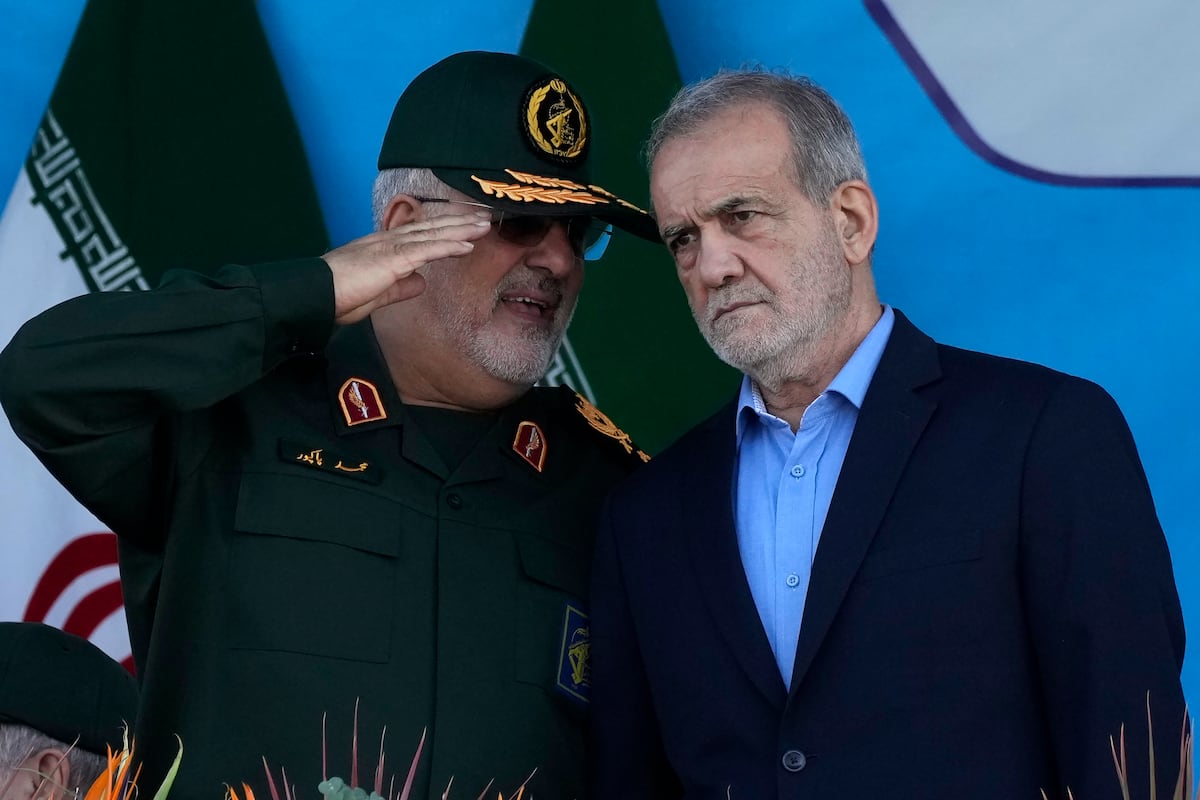
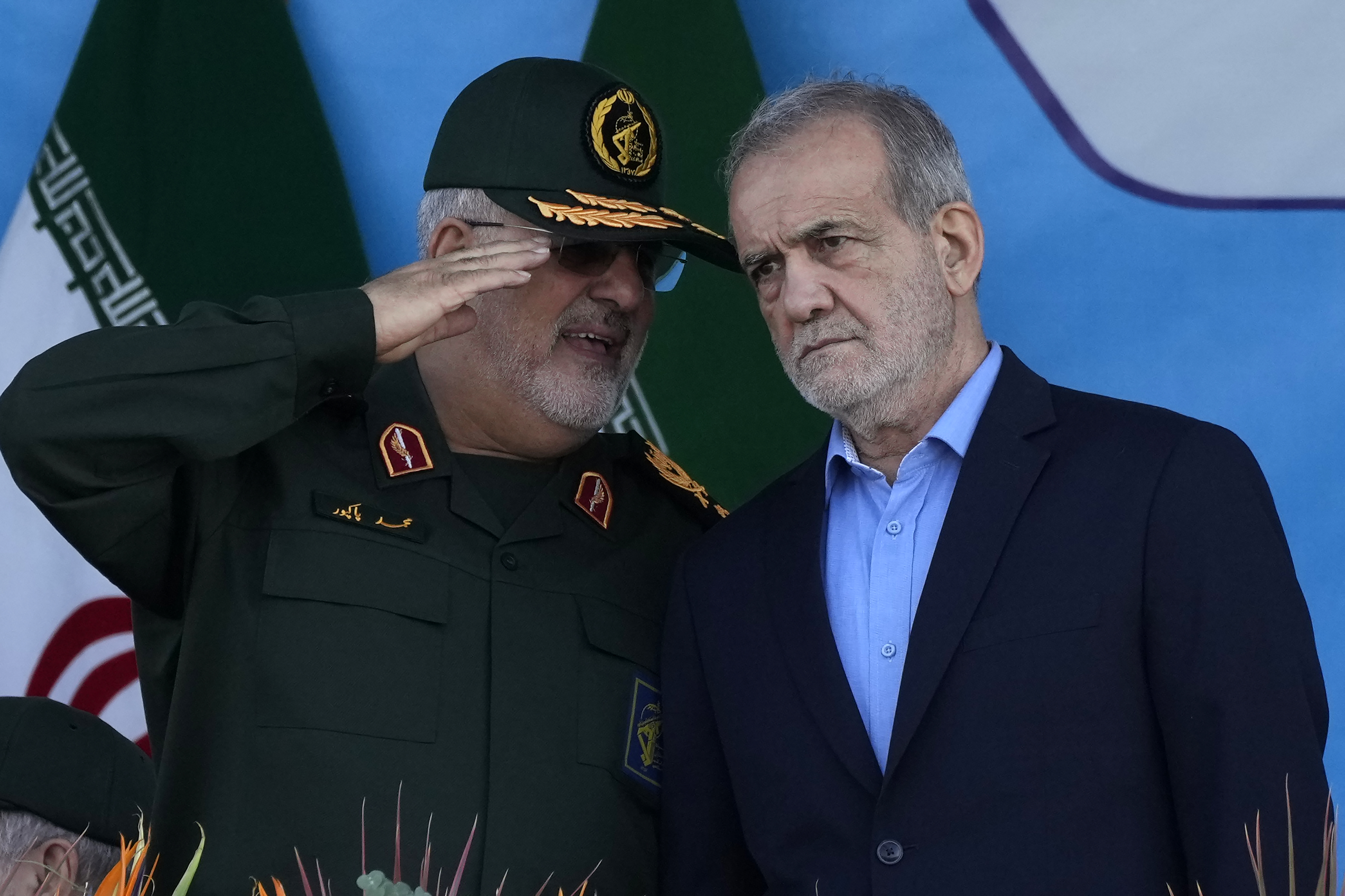
Iranian President Masoud Pezeshkian said his country is engaged in a “full-fledged war with America, Israel, and Europe,” raising new tensions months after the Trump administration carried out airstrikes on three of the Islamic Republic’s nuclear facilities.
In an interview published on the website of Iran’s Supreme Leader Ayatollah Ali Khamenei, Pezeshkian accused Washington and its allies of working to destabilize Tehran.
“They do not want our country to stand on its feet,” he declared.
Pezeshkian added that Iran’s armed forces had a “far stronger” capacity than ever to respond to further provocations from Western powers.
“If they choose to strike, they will naturally face a more decisive response,” he warned.
The comments come ahead of a planned meeting between President Donald Trump and Israeli Prime Minister Benjamin Netanyahu in Florida, where Iran’s ballistic missile program is expected to be discussed.
Iran was hit hard by a 12-day war with Israel in June, which ended with a fleet of American bombers striking deeply buried Iranian nuclear facilities.
Trump subsequently announced a “complete and total” ceasefire in the fighting. The Pentagon claims the strikes degraded Iran’s nuclear program by up to two years, though Tehran contests this.
But now Pezeshkian is ramping up rhetorical attacks on what he sees as unfairly repressive measures emanating from Washington and its allies.
“They are besieging us from every aspect, they are putting us in difficulty and constraint, creating problems — in terms of livelihood, culturally, politically and security-wise — while raising society’s expectations,” the Iranian president said on Saturday. “On one side, they block our sales, our exchanges, our trade, and on the other side, expectations in society have risen. Consequently, we must all help with all our might to fix the country.”
The U.S. has imposed sanctions on Iran for decades, targeting its oil exports — the lifeblood of the nation’s economy — in an effort to exert “maximum pressure” and secure a new nuclear agreement.
The sanctions have contributed to a range of domestic economic challenges including mounting inflation and rising unemployment.
Iran’s currency, the rial, has recently plummeted to a record low against the U.S. dollar, sparking a wave of protests over the weekend in Tehran and several other cities.