

Harmful mouth bacteria may trigger Parkinson’s disease
There is a new reason to take daily tooth brushing seriously. Researchers in South Korea have found strong evidence
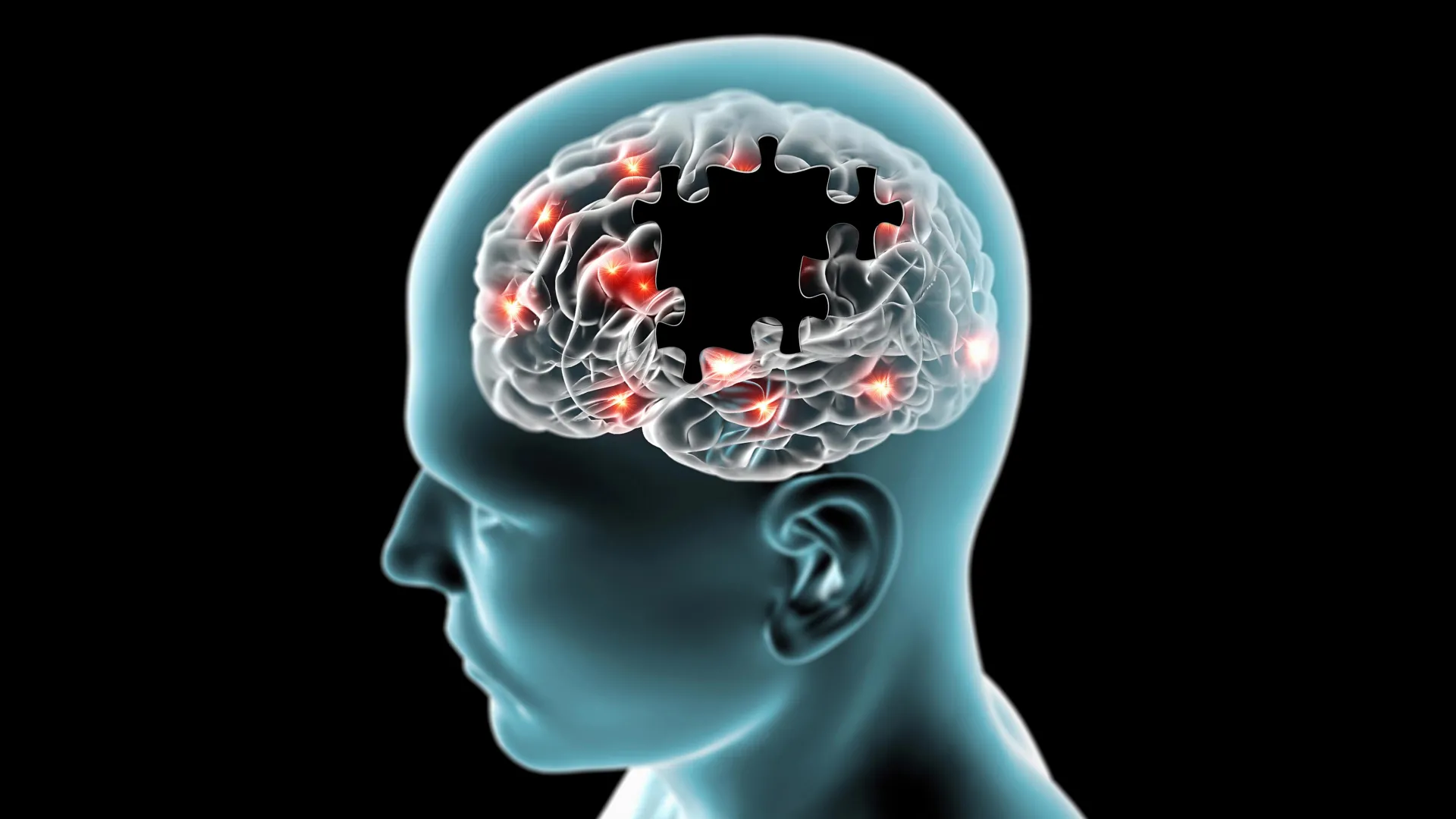
There is a new reason to take daily tooth brushing seriously. Researchers in South Korea have found strong evidence that bacteria from the mouth can move into the gut and influence brain cells, potentially playing a role in the development of Parkinson’s disease.
The study was carried out by a collaborative team led by Professor Ara Koh and doctoral candidate Hyunji Park from POSTECH’s Department of Life Sciences, working alongside Professor Yunjong Lee and doctoral candidate Jiwon Cheon of Sungkyunkwan University School of Medicine. The group also partnered with Professor Han-Joon Kim from Seoul National University College of Medicine. Together, they identified a biological process showing how substances produced by oral bacteria in the gut may help set Parkinson’s disease in motion. Their findings were published in Nature Communications.
Parkinson’s disease is a widespread neurological condition marked by tremors, muscle stiffness, and slower movement. It affects about 1-2% of people worldwide over the age of 65, making it one of the most common brain disorders linked to aging. Earlier research suggested that people with Parkinson’s have different gut bacteria than healthy individuals, but which microbes were involved and how they affected the disease remained uncertain.
A cavity-causing bacterium emerges as a suspect
The researchers discovered higher levels of Streptococcus mutans — a common oral bacterium known for causing dental caries — in the gut microbiomes of people with Parkinson’s. This bacterium produces an enzyme called urocanate reductase (UrdA) along with a metabolic byproduct known as imidazole propionate (ImP). Both substances were found at increased levels in the gut and bloodstream of patients. Evidence suggested that ImP can travel through the body, reach the brain, and contribute to the loss of dopamine-producing neurons.
Mouse studies reveal Parkinson’s-like damage
To better understand this process, the team conducted experiments in mice. They either introduced S. mutans directly into the animals’ guts or genetically modified E. coli to produce UrdA. In both cases, ImP levels rose in the blood and brain tissue. The mice developed key features associated with Parkinson’s disease, including damage to dopaminergic neurons, increased brain inflammation, movement problems, and greater buildup of alpha-synuclein, a protein closely tied to disease progression.
Blocking a key signaling pathway
Additional experiments showed that these harmful effects depended on activation of a signaling protein complex called mTORC1. When mice were treated with a drug that inhibits mTORC1, researchers saw a clear reduction in brain inflammation, neuron loss, alpha-synuclein accumulation, and motor problems. These results suggest that targeting the oral-gut microbiome and the compounds it produces could open new paths for treating Parkinson’s disease.
“Our study provides a mechanistic understanding of how oral microbes in the gut can influence the brain and contribute to the development of Parkinson’s disease,” said Professor Ara Koh. “It highlights the potential of targeting the gut microbiota as a therapeutic strategy, offering a new direction for Parkinson’s treatment.”
The research received support from the Samsung Research Funding & Incubation Center of Samsung Electronics, the Mid-Career Researcher Program of the Ministry of Science and ICT, the Microbiome Core Research Support Center, and the Biomedical Technology Development Program.