

German startup aims to deliver European hypersonic strike by 2029
PARIS — German startup Hypersonica claimed a “significant” step toward delivering Europe’s first sovereign hypersonic strike capability by 2029,


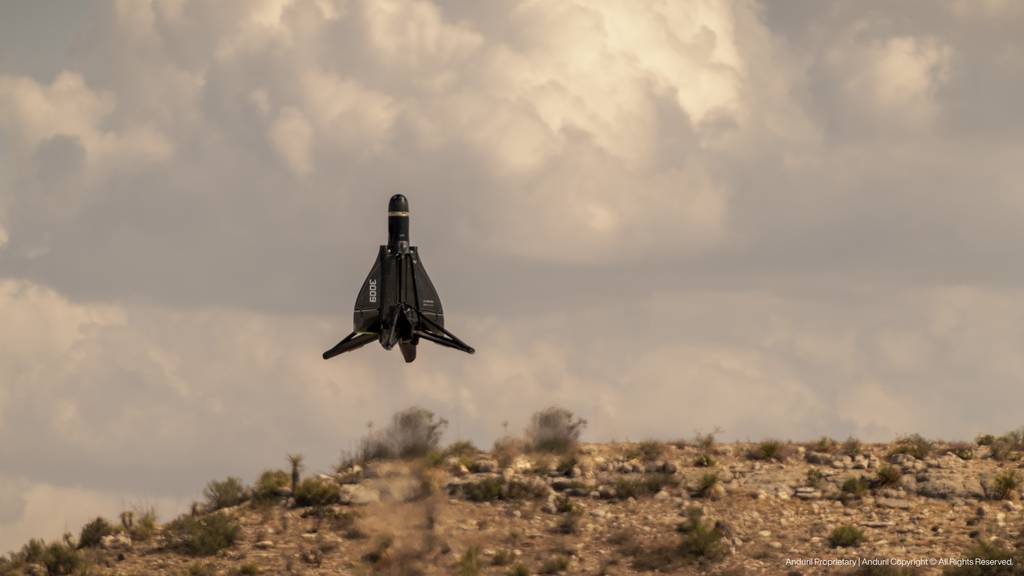
PARIS — German startup Hypersonica claimed a “significant” step toward delivering Europe’s first sovereign hypersonic strike capability by 2029, after the company’s first hypersonic test flight in Norway pushed its missile prototype to more than Mach 6 and a range of more than 300 kilometers.
The startup based near Munich plans further test flights to demonstrate advanced flight control at hypersonic speeds and complex maneuverability, it said in a statement on Tuesday. Hypersonica said it’s the first privately funded European defense company to achieve hypersonic flight, until now mostly the domain of government-funded secretive multi-year projects.
Hypersonica says it’s using modular design for quick upgrades and to shorten development cycles to months from years, cutting costs by more than 80% compared to “conventional approaches.”
The U.S. Congressional Budget Office said in a 2023 report that hypersonic missiles could cost a third more than ballistic missiles of the same range with maneuverable warheads.
“We’re working to develop a European sovereign strike system in a time frame and at costs that makes sense for European governments, including those with more constrained defense budgets,” Hypersonica told Defense News in an emailed reply to questions.
“Europe doesn’t have 20 years or billions to spend on developing hypersonic strike,” the company said. “A new kind of tech-development approach is needed, and that’s what we’re bringing with our rapid iterative approach.”
Hypersonic missiles are typically defined as flying faster than five times the speed of sound while remaining maneuverable in the atmosphere. A fundamental technological challenge is the extreme heat generated by their high speed.
France has been working on hypersonic technology since the 1990s and is developing a hypersonic air-launched nuclear missile, the ASN4G. Meanwhile, the United Kingdom in May 2024 picked companies to compete for a seven-year, £1 billion framework to develop sovereign advanced hypersonic missile capabilities.
“As a privately funded startup, our speed from design to the launchpad in just nine months should recalibrate expectations about the costs and time needed to develop this crucial capability,” Hypersonica wrote in a LinkedIn post.
Hypersonica said all systems operated nominally during the test flight on Feb. 3 from the Andøya Space site in northern Norway, with system performance validated at hypersonic speeds down to the subcomponent level. The startup says it uses military-grade components from suppliers.
The test flight yielded “invaluable datasets that will inform the design and development of future high‑speed strike systems and enhance our ability to analyze adversary weapon profiles,” the company said.
With Russia claiming to operate hypersonic weapons, much of the work related to hypersonics at the European level has been focused on countering such threats, including through the Hydis2 and Hydef programs. The European Defence Fund’s work program for 2026 includes €168 million ($200 million) for hypersonic counters and high-end endoatmospheric interception.
Hypersonica raised €23 million in a Series A financing round, the company said in separate statement, led by early-stage investment fund Plural and with participation from Germany’s Federal Agency for Breakthrough Innovation. Existing investors General Catalyst and 201 Ventures also provided fresh funding.
In the U.S., Castelion, a startup founded by former SpaceX executives, has raised more than $450 million to work on what it calls affordable hypersonic weapons.
Hypersonica was founded in December 2023 by Philipp Kerth and Marc Ewenz, two doctoral graduates from the University of Oxford who are now chief executive officer and chief technology officer, respectively. The startup’s goal is to develop hypersonic strike capability by 2029.
Rudy Ruitenberg is a Europe correspondent for Defense News. He started his career at Bloomberg News and has experience reporting on technology, commodity markets and politics.