


Eritrea leaves Igad regional bloc as tensions rise with Ethiopia
Eritrea has withdrawn from East African regional bloc Igad, accusing the organisation of “becoming a tool against” countries like
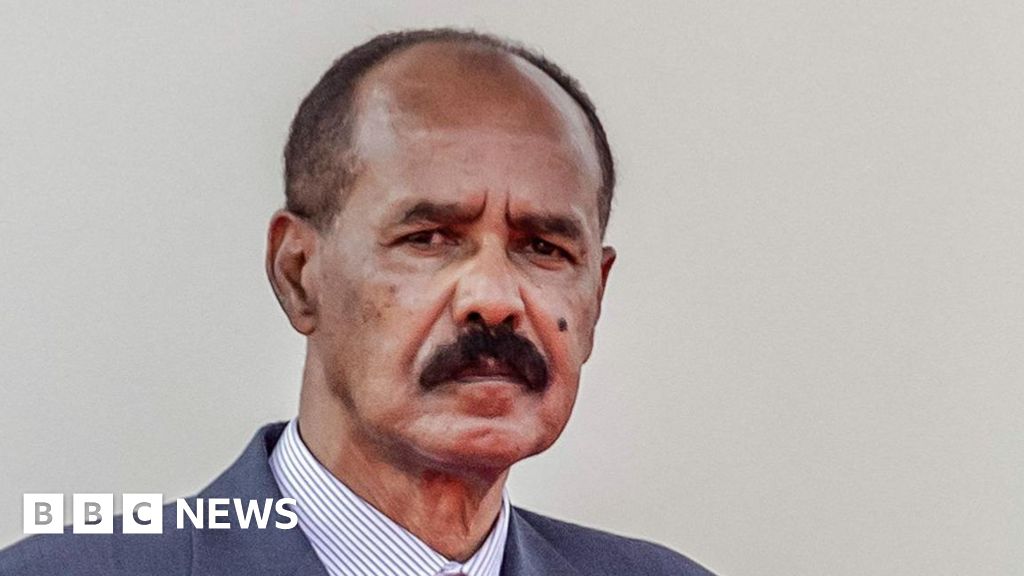
Eritrea has withdrawn from East African regional bloc Igad, accusing the organisation of “becoming a tool against” countries like itself.
In a statement on Friday, Eritrea’s foreign ministry said Igad had strayed from its founding principles and failed to contribute to regional stability.
The withdrawal comes amid a fierce war of words between Eritrea and neighbouring Ethiopia, leading to fears of renewed armed conflict.
In response to Eritrea’s statement, Igad (Intergovernmental Authority on Development) said the country had not made any “tangible proposals” or engaged with reforms.
Igad was established to promote regional stability and food security in East Africa, and also includes Ethiopia, Kenya, Sudan, South Sudan, Uganda, and Djibouti.
The government in Eritrea’s capital, Asmara, has long accused Igad of siding with Ethiopia in regional disputes.
Eritrea previously left the bloc in 2007, during its border dispute with Ethiopia. It only rejoined in 2023.
“Eritrea finds itself compelled to withdraw its membership from an organisation that has forfeited its legal mandate and authority; offering no discernible strategic benefit to all its constituencies,” Eritrea’s foreign ministry said on Friday.
In its response, Igad said that since the country returned to the bloc it had not “participated in IGAD meetings, programmes, or activities”.
The withdrawal comes as tensions have been increasing between Eritrea and Ethiopia, two countries that have a long history of deadly conflict.
Since 2023, Ethiopia’s Prime Minister Abiy Ahmed has been demanding access to the Red Sea through Eritrea, resulting in a furious response from Asmara.
After a decades-long battle for independence, Eritrea officially seceded from Ethiopia in 1993, leaving the latter landlocked.
In calling for sea access, Abiy and other senior Ethiopian officials have gone as far as questioning Addis Abba’s recognition of Eritrean independence.
Abiy won a Nobel Peace Prize in 2019 for making peace with Eritrea’s strongman President Isaias Afewerki, after a two-decade long border dispute that sparked a war in which more than 100,000 people died.
During this conflict, Eritrea was accused of destabilising the region by interfering in the internal affairs of Igad member countries, an allegation Asmara always denied.
Instead, Eritrea accused its neighbours of siding with Western powers to destabilise it.
At the instigation of Addis Ababa, Igad demanded the African Union and UN Security Council impose sanctions on Eritrea.
Eritrea cut diplomatic ties with Djibouti, which hosts the Igad headquarters, following a 2009 border dispute between the two countries.
Former Ethiopian Foreign Minister Workneh Gebyehu is currently the head of Igad, adding to Asmara’s suspicion of the organisation.
Igad has been criticised by many for failing to bring stability and regional integration to the Horn of Africa, a region beset by civil wars, terrorism and intra-state confrontations.