


Chronic fatigue syndrome seems to have a very strong genetic element
Chronic fatigue syndrome doesn’t have a single cause, but the role of genetics is starting to come to light
Chronic fatigue syndrome doesn’t have a single cause, but the role of genetics is starting to come to light
anusorn nakdee/Getty Images
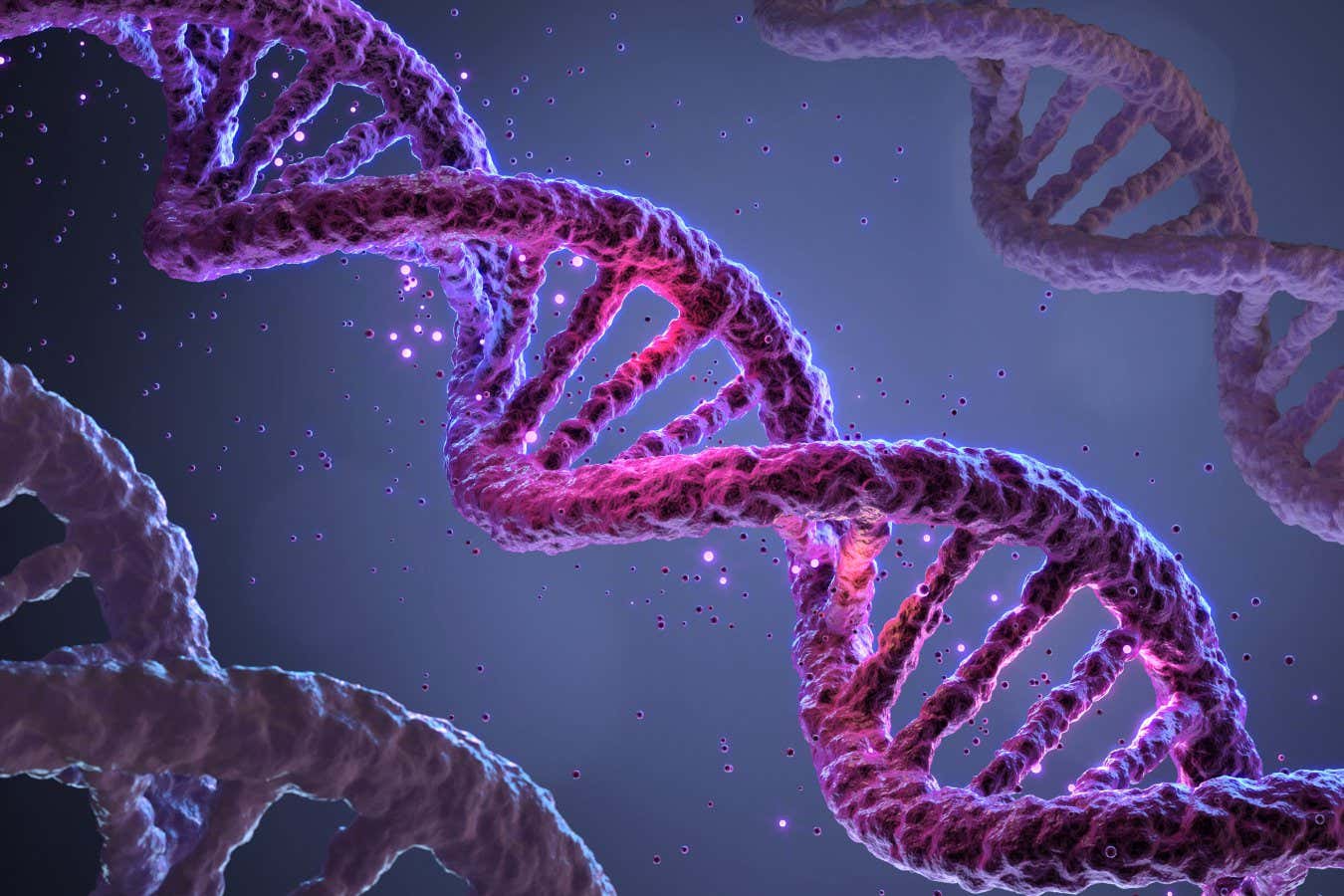
We’re starting to get a handle on the role that genetics plays in the onset of chronic fatigue syndrome, or myalgic encephalomyelitis (ME/CFS). According to the largest study of its kind to date, more than 250 genes are involved – six times the number identified earlier this year. Not only could this help us develop treatments that tackle ME/CFS at its roots, but the study also adds to our knowledge of how it differs from long covid, a very similar condition.
“It’s opening up a huge number of new avenues, either for novel therapy development or for drug repurposing,” says team member Steve Gardner at Precision Life in Oxford.
ME/CFS is a chronic condition that is often disabling. It has many symptoms, but a core feature is post-exertional malaise, where even small amounts of activity lead to prolonged exhaustion. ME/CFS is generally triggered by an infection, but it is unclear why many people can get such an infection but not develop the condition.
To learn more, Gardner’s team examined genomic data from more than 10,500 people who had been diagnosed with ME/CFS. This data was previously gathered by a project called DecodeME, which revealed in August that people with ME/CFS have key genetic differences from those without the condition.
Now, Gardner and his colleagues have compared this data with that of people without ME/CFS from the UK Biobank. They focused on genetic variants called single nucleotide polymorphisms (SNPs), in which a single letter of the genome is changed.
A standard analysis would look at one SNP at a time, but “complex disease biology just isn’t like that”, says Gardner. “There are multiple genes involved, and they’re interacting with each other. Some are amplifying each other’s effects, some are inhibiting each other’s effects.”
Instead, the researchers looked for groups of SNPs associated with ME/CFS risk. They found 22,411 such groups, composed of combinations of 7555 SNPs, out of the more than 300,000 they identified overall. The researchers also found that the more of these SNP groups a person had, the greater their chances of developing ME/CFS.
“That’s where they start to take the thing forward,” says Jacqueline Cliff at Brunel University of London.
Next, the team mapped the SNPs to 2311 genes, each of which plays a small role in a person’s risk. Of those, they identified 259 “core” genes that showed the strongest links with ME/CFS and had the most common SNPs. This represents a big advance from the August study, which found 43 genes.
“If you’re really interested in druggability and wanting to benefit as many patients as possible, the [variants] with the higher prevalence and the higher effect size are obviously the ones that you would choose to investigate first,” says Gardner. There are currently no specific medicines to treat ME/CFS, but people may be offered painkillers or antidepressants, as well as being taught about managing their energy.
Danny Altmann at Imperial College London is optimistic that studies like these will shine a light on the serious harms of ME/CFS, which he says has been misunderstood and neglected for decades. “We’re at a coming of age in terms of genomics and pathophysiology.”
Several studies have previously tried to identify genetic risk factors for ME/CFS. “Some have replicated [each other’s findings] and some haven’t,” says Altmann. “That’s all about scale and power.” Studies with too few participants will probably miss real genetic signals.
In August, the researchers behind DecodeME also identified variants in eight regions of the genome, including the 43 genes that contribute to ME/CFS risk, but they were unable to replicate all of them in independent datasets. PrecisionLife, however, rediscovered all eight regions, supporting the idea of being true risk factors for the condition.
ME/CFS is also frequently compared to long covid, which is similarly triggered by an infection and also commonly leads to post-exertional malaise. In the new study, the researchers tried to clarify the relationship between these conditions by comparing the list of genes they had linked to ME/CFS with those they had previously linked to long covid. “About 42 per cent of the genes that we found in long covid also show up reproducibly across multiple cohorts in ME,” says Gardner. “These are obviously two partially overlapping diseases.”
But we can’t be too confident about the long covid results, says Cliff, because these individuals were analysed differently from those with ME/CFS. In the paper, the researchers say that the genetic overlap they identified is “a minimum estimate”, suggesting that the conditions may be more genetically similar than we think.
Altmann and his colleague Rosemary Boyton, also at Imperial, have just secured £1.1 million of funding to investigate how ME/CFS and long covid are linked. Altmann says they aim to recruit people with both conditions and carry out “really high-tech, high-resolution analysis”, including of the participants’ immune systems, any latent viruses lingering in their bodies and their gut microbiomes – all of which have been implicated in these conditions.
By understanding the mechanisms behind ME/CFS and long covid, and understanding how they vary from person to person, we can hopefully target them directly, says Altmann.
Topics: