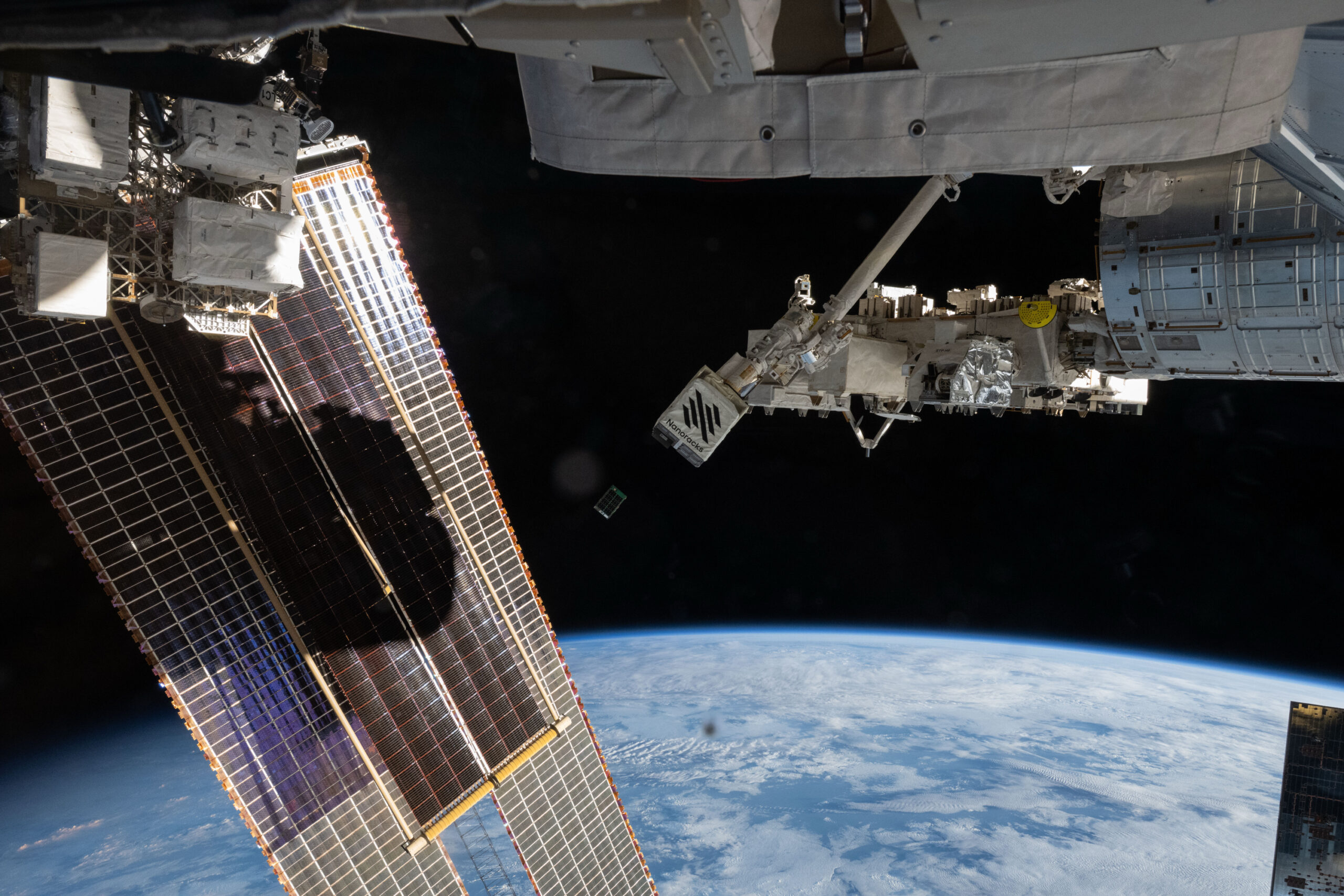
[ad_1] NASA is working with commercial partners to create high-performing, reliable propulsion systems that will help small spacecraft safely maneuver

[ad_1] NASA is working with commercial partners to create high-performing, reliable propulsion systems that will help small spacecraft safely maneuver
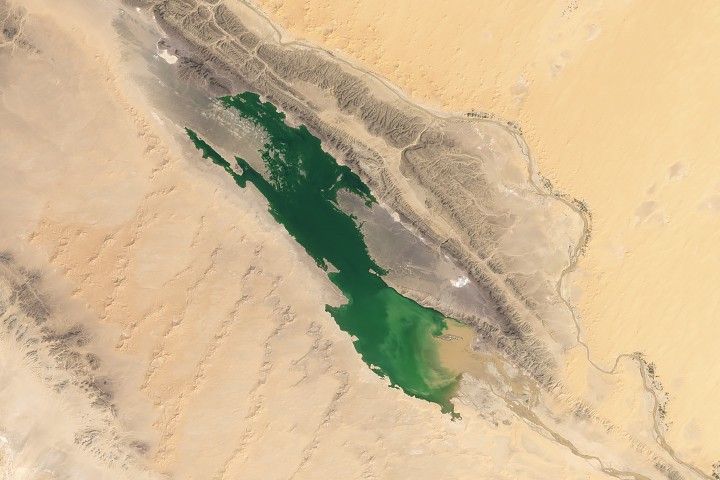
[ad_1] By USGS Landsat Missions The U.S. Geological Survey, in cooperation with NASA, has named the new Landsat Science Team that
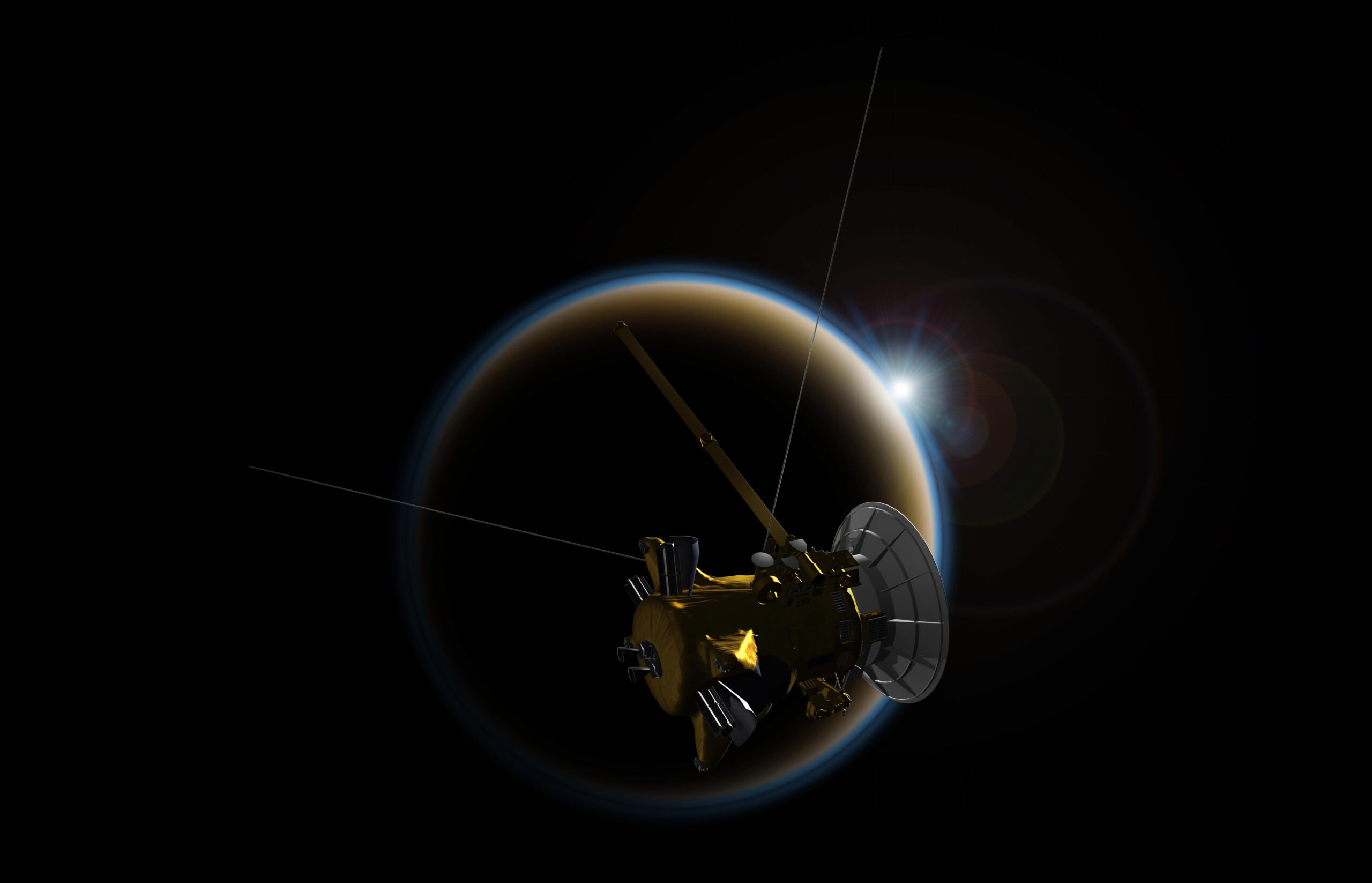
[ad_1] A key discovery from NASA’s Cassini mission in 2008 was that Saturn’s largest moon Titan may have a vast
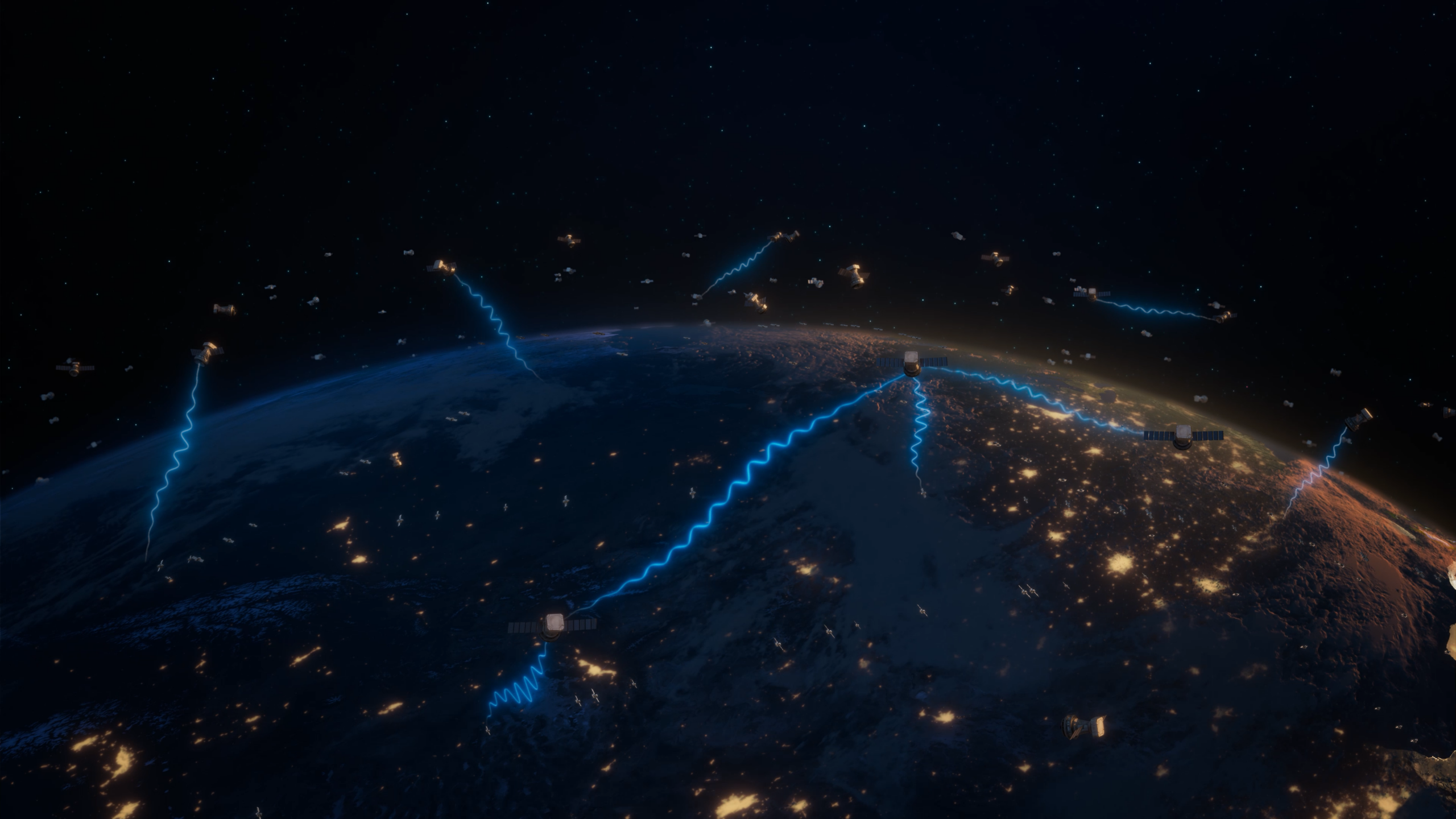
[ad_1] NASA’s commercial partners are actively demonstrating next-generation satellite relay capabilities for spaceflight missions, marking a significant step toward retiring
[ad_1] The future of flight, space exploration, and science starts at NASA’s Langley Research Center in Hampton, Virginia, where we
[ad_1] Icons of winter are sometimes found in unexpected places. In one striking example, a series of oval lagoons in

[ad_1] Written by Michael Allen An international team of astronomers using NASA’s IXPE (Imaging X-ray Polarimetry Explorer) has identified the

[ad_1] NASA is now accepting concepts for a new research challenge. The Opportunities in Research, Business, Innovation, and Technology (ORBIT)
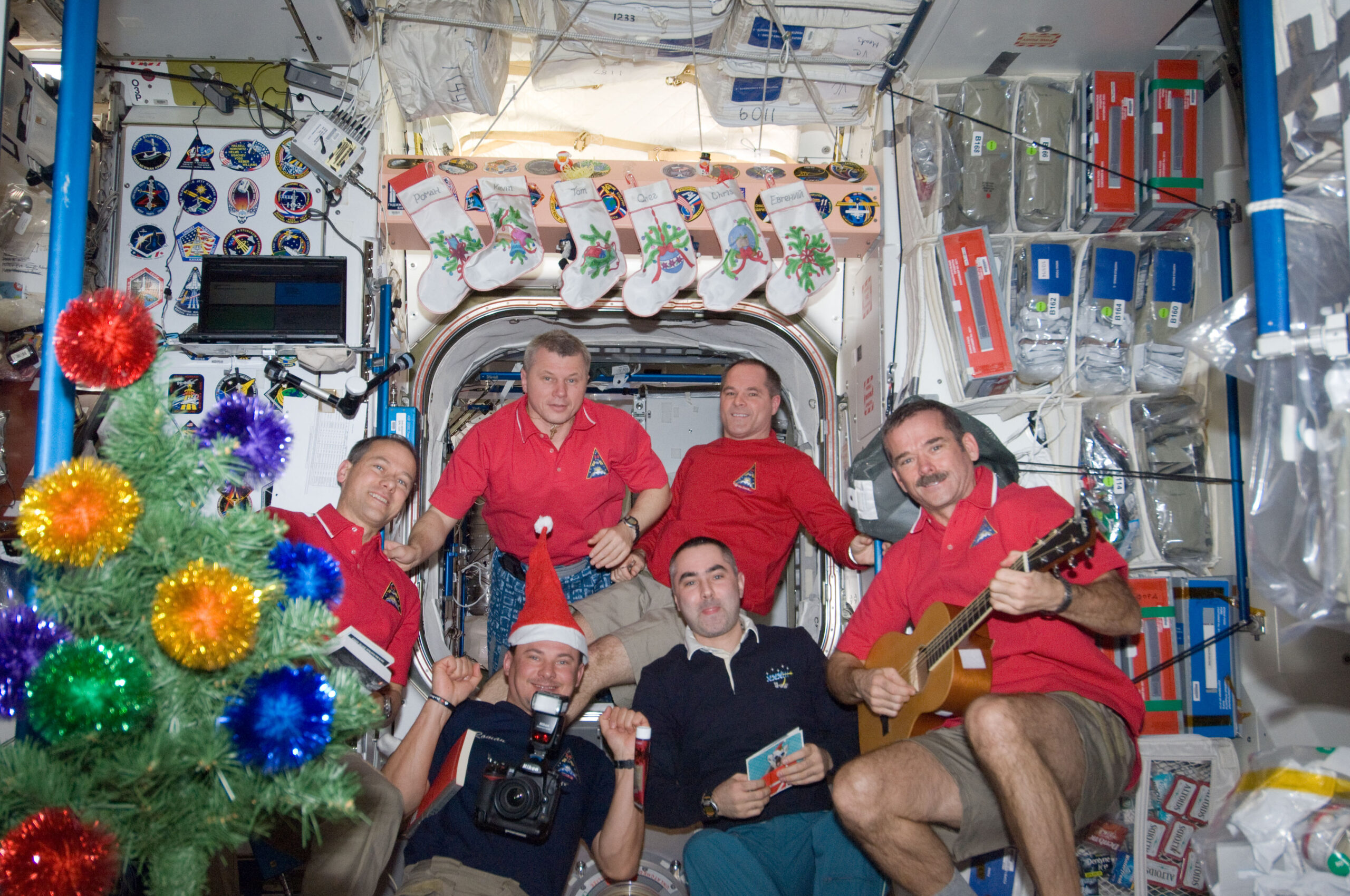
[ad_1] After 25 years of continuous human presence in space, the International Space Station remains a training and proving ground
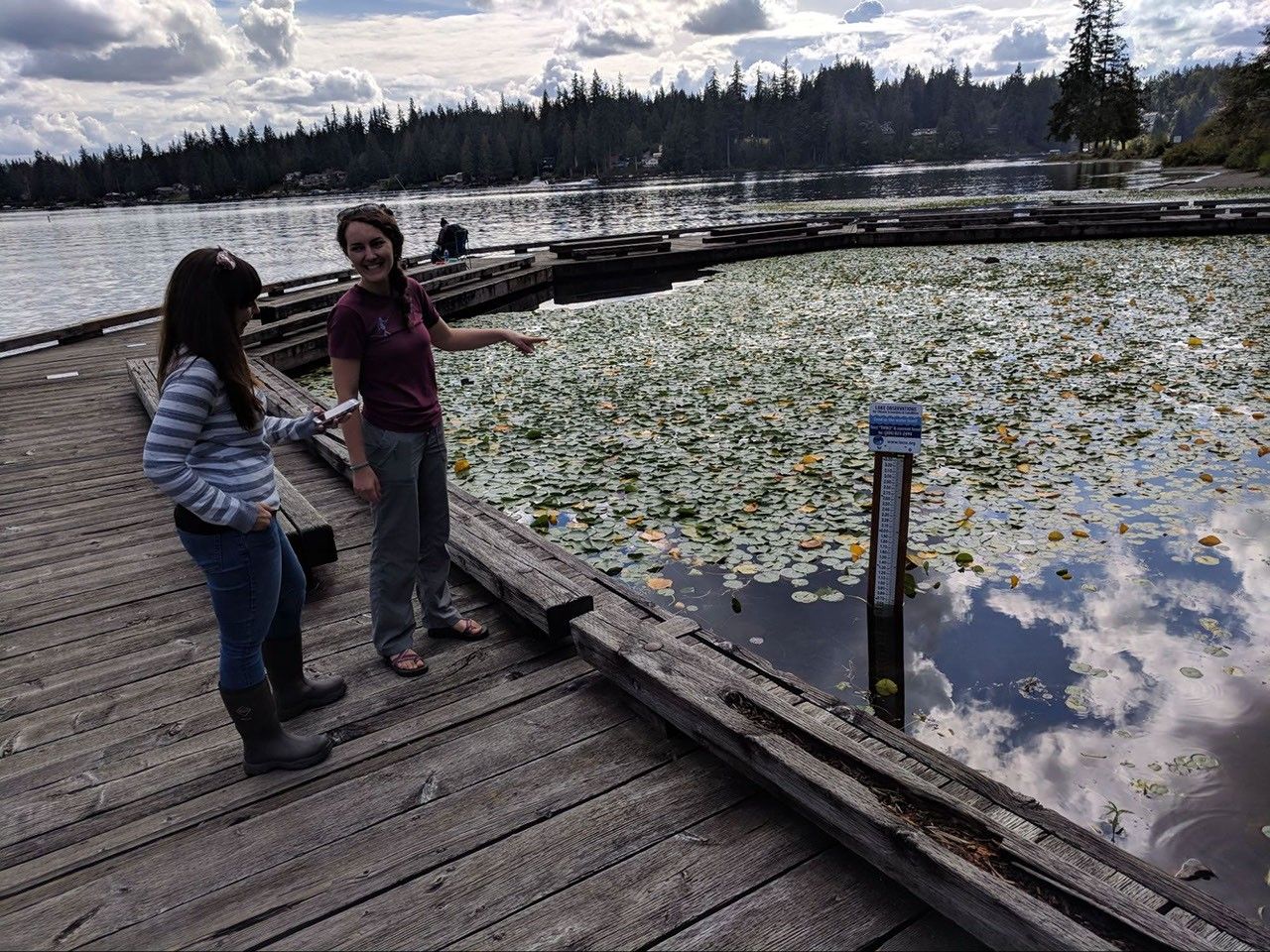
[ad_1] Volunteers participating in the Lake Observations by Citizen Scientists and Satellites (LOCSS) project have been collecting water level data