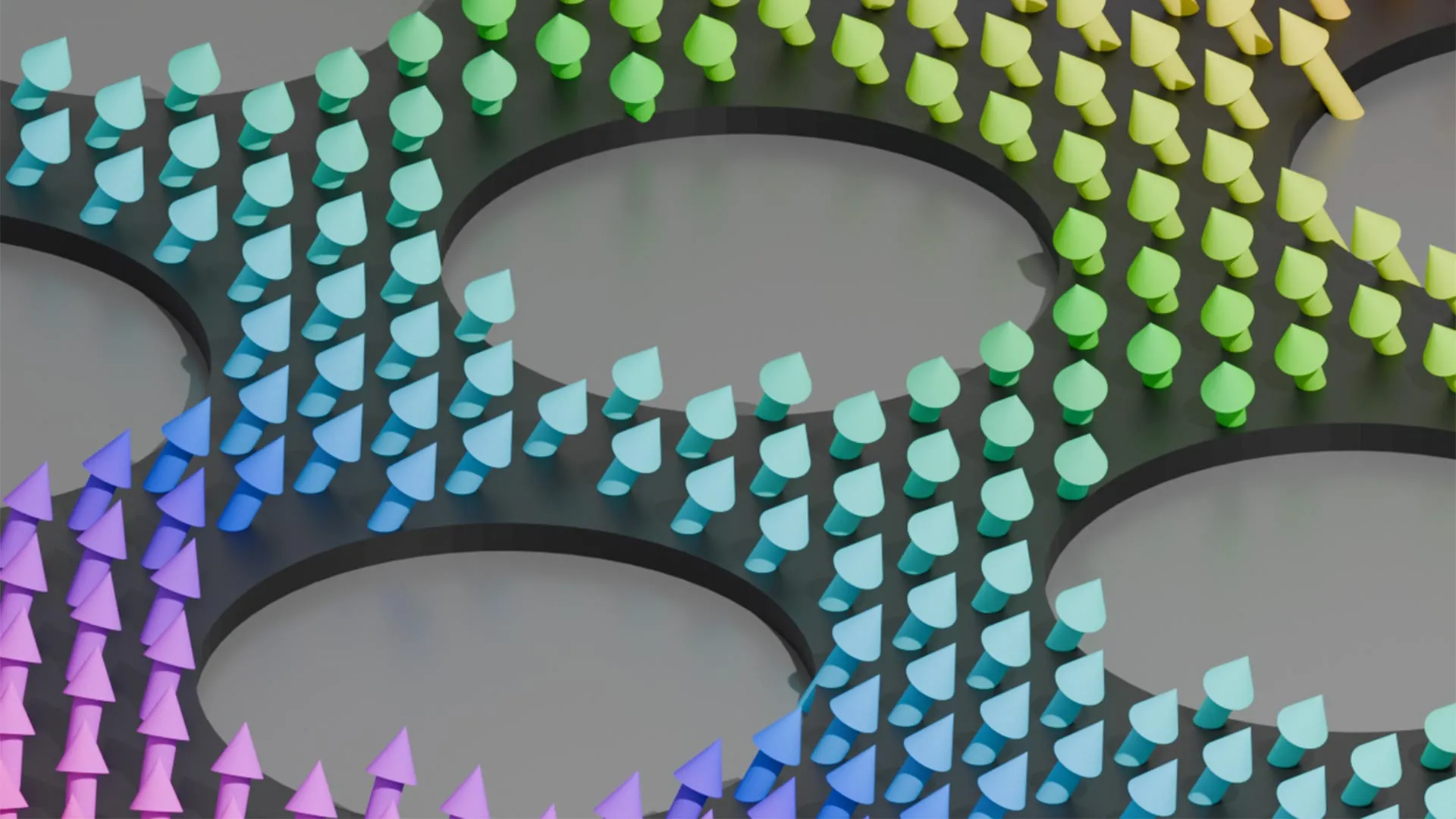
[ad_1] Two dimensional materials have drawn intense interest because their electronic and magnetic properties could power future technologies. Scientists have

[ad_1] Two dimensional materials have drawn intense interest because their electronic and magnetic properties could power future technologies. Scientists have

[ad_1] Stepping outside on a chilly winter morning or placing a mint in your mouth quickly creates a cooling sensation.
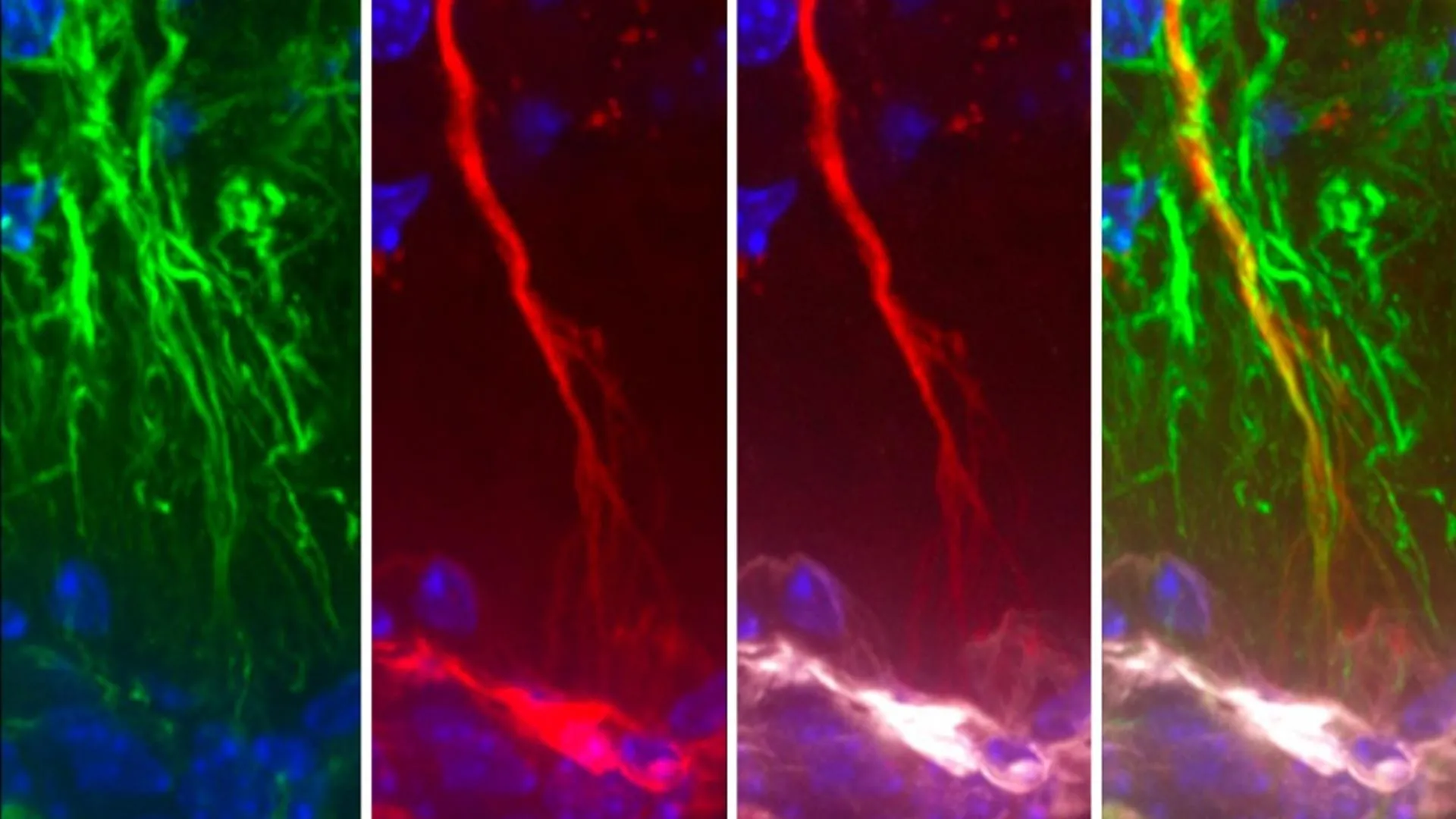
[ad_1] The accumulation of tau protein in the brain is a defining feature of Alzheimer’s disease. In a study published

[ad_1] Psilocybin, the psychoactive compound found in “magic mushrooms,” has drawn growing interest from scientists studying treatments for conditions such

[ad_1] Scientists are using satellites to reveal which bridges around the world may be at risk of failure — and
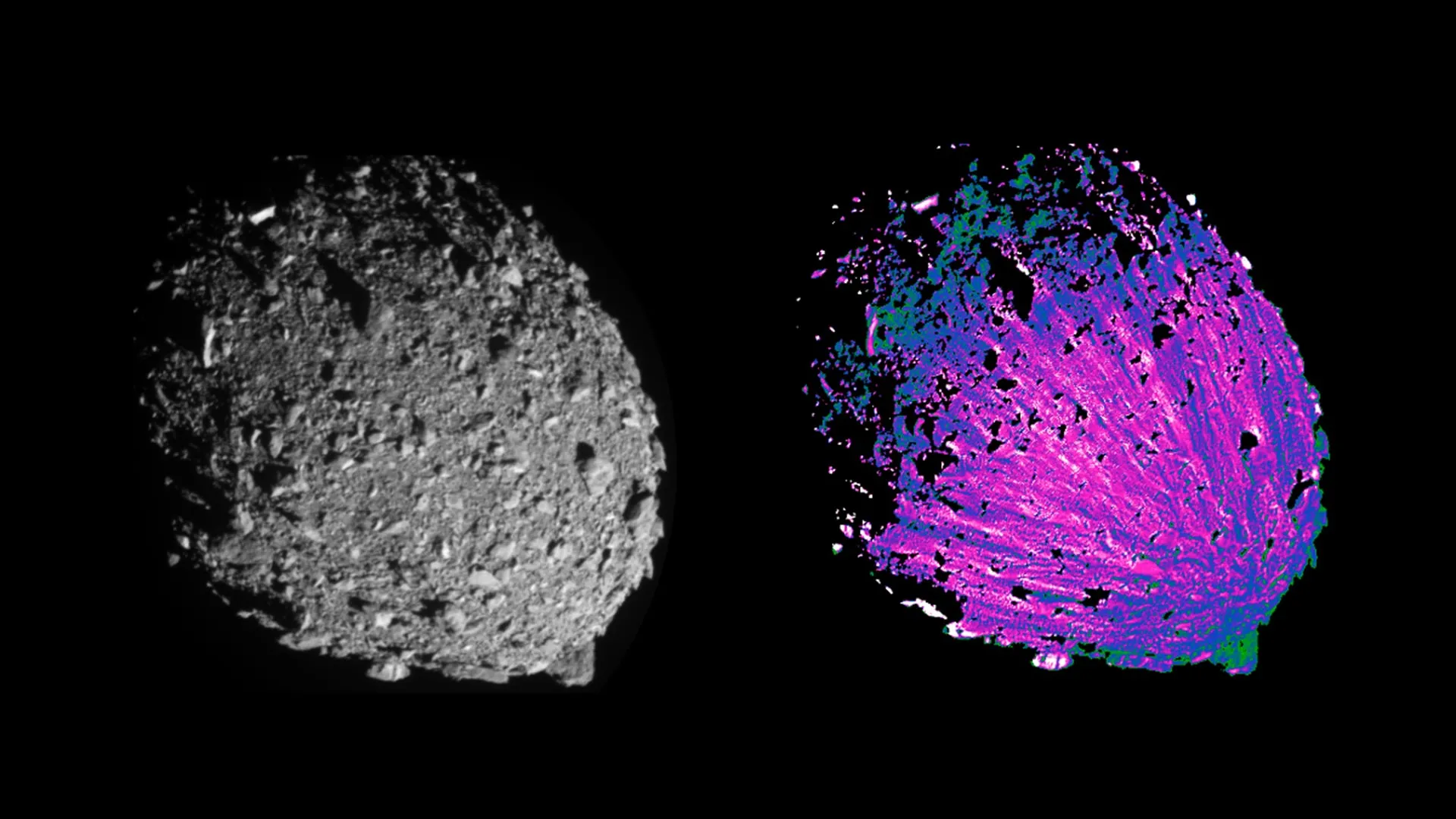
[ad_1] Roughly 15% of asteroids that pass near Earth have a smaller companion orbiting them. These paired objects are known
[ad_1] For many years, nuclear physicists believed that “Islands of Inversion” were found mainly in isotopes packed with extra neutrons.

[ad_1] The brain relies on countless chemical messages to keep its networks running smoothly. One way to imagine this system

[ad_1] A new study from Northwestern University warns that coordinated scientific fraud is becoming increasingly common. From fabricated data to

[ad_1] Researchers at the University of Cambridge have uncovered new insights into the emotional lives of dogs, helping explain why