


Blockbuster weight loss drugs like Ozempic deliver big results but face big questions
Three recently released Cochrane reviews conclude that GLP-1 medications, such as Ozempic, can lead to meaningful weight loss. However,
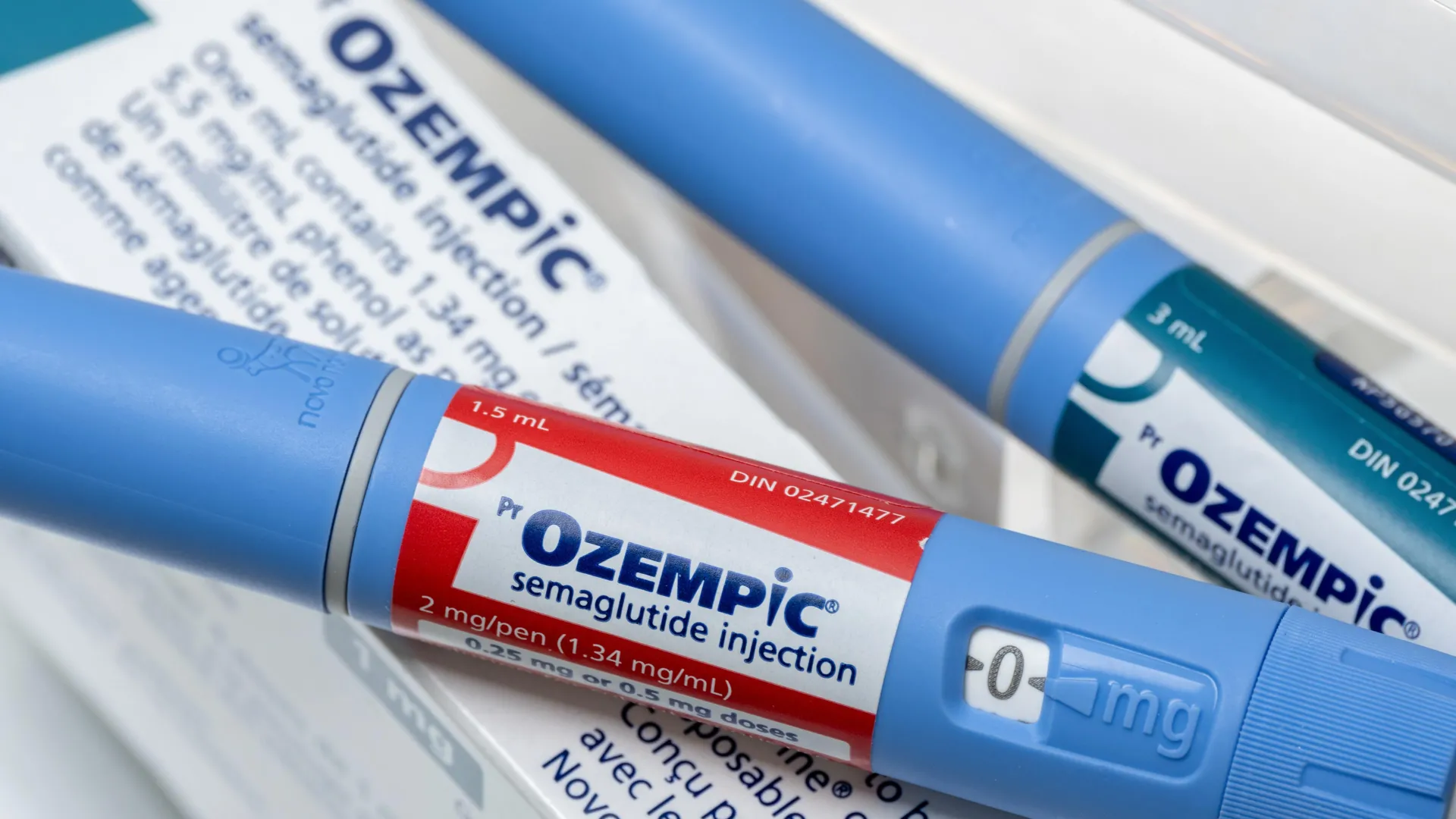
Three recently released Cochrane reviews conclude that GLP-1 medications, such as Ozempic, can lead to meaningful weight loss. However, the findings also highlight concerns about the heavy involvement of drug manufacturers in many of the studies. The World Health Organization (WHO) commissioned the reviews to help shape upcoming global guidelines on using these medications to treat obesity.
The analysis focused on three drugs classified as GLP-1 receptor antagonists. Across the board, each medication produced greater weight loss than a placebo. At the same time, researchers found gaps in the evidence, especially regarding long-term health outcomes, side effects, and possible conflicts of interest tied to industry funding.
From Diabetes Treatment to Obesity Therapy
Glucagon-like peptide-1 (GLP-1) receptor agonists were first developed to treat type 2 diabetes and began clinical use in the mid-2000s. In people with diabetes, particularly those with heart or kidney disease, these medications improved blood sugar levels, lowered the risk of heart and kidney complications, supported weight reduction, and reduced the risk of early death.
In recent years, researchers have tested GLP-1 receptor agonists in people with obesity. These drugs copy the action of a naturally occurring hormone that slows digestion and increases feelings of fullness. In the United Kingdom, they are approved for weight management when combined with a reduced calorie diet and exercise in individuals with obesity, or in those who are overweight and have weight-related health conditions.
How Much Weight Loss Do GLP-1 Drugs Produce
Across the three reviews, tirzepatide (Mounjaro and Zepbound), semaglutide (Ozempic, Wegovy, and Rybelsus), and liraglutide (Victoza and Saxenda) all led to notable weight loss over one to two years compared with placebo. The benefits appear likely to continue as long as patients remain on treatment.
- Tirzepatide (administered once weekly) led to an average weight reduction of about 16% after 12 to 18 months. Data from 8 randomized controlled trials (6,361 participants) indicated that this level of weight loss could last as long as 3.5 years, although information on long-term safety remains limited.
- Semaglutide (also injected weekly) produced an average weight loss of roughly 11% after 24 to 68 weeks. Findings from 18 randomized controlled trials (27,949 participants) suggest the effect can persist for up to two years. Participants taking semaglutide were more likely to lose at least 5% of their body weight, but they also experienced higher rates of mild-to-moderate gastrointestinal side effects.
- Liraglutide (a daily injection) showed more modest results, with average weight loss of about 4-5% based on 24 trials (9 937 participants). Even so, more people achieved meaningful weight loss compared with placebo. Evidence beyond two years of treatment was limited.
When it came to major cardiovascular events, quality of life, or death, researchers found little or no difference between the GLP-1 drugs and placebo. Side effects were more common with the medications, particularly nausea and other digestive issues, and some participants discontinued treatment as a result.
“These drugs have the potential to bring about substantial weight loss, particularly in the first year,” says Juan Franco, co-lead researcher from Heinrich Heine University Düsseldorf, Germany. “It’s an exciting moment after decades of unsuccessful attempts to find effective treatments for people living with obesity.”
Concerns About Industry Funding and Access
A large share of the studies included in the reviews were funded by the companies that manufacture the drugs. In many cases, the companies were deeply involved in designing, conducting, analyzing, and reporting the trials. This level of involvement raises concerns about potential conflicts of interest and underscores the need for more independent research.
The authors also stress that broader use of GLP-1 medications must account for social and commercial determinants of health, such as cost, insurance coverage, and overall access. Without careful planning, expanded use could worsen existing health disparities among people living with obesity. High prices currently restrict access to semaglutide and tirzepatide, while liraglutide has become more affordable after its patent expired, allowing generic versions to enter the market. Semaglutide’s patent will also expire in 2026.
Most of the trials reviewed were conducted in middle- and high-income countries. Regions including Africa, Central America, and Southeast Asia were underrepresented or not represented at all. Because body composition, diet, and health behaviors vary widely across populations, researchers emphasize the importance of studying how these drugs perform in diverse global settings.
“We need more data on the long-term effects and other outcomes related to cardiovascular health, particularly in lower-risk individuals,” says Eva Madrid, co-lead researcher from the Universidad de Valparaíso, Chile. “Weight regain after stopping treatment may affect the long-term sustainability of the observed benefits. More independent studies from a public health perspective are needed.”
Long-Term Evidence Needed for Future Guidelines
The reviews conclude that longer-term, independently funded studies are crucial for guiding both medical practice and public health policy. A clearer understanding of sustained benefits and risks will help define the role of GLP-1 receptor agonists in long-term weight management.
Commissioned by the World Health Organization, these findings will inform new WHO guidelines on the use of GLP-1 receptor agonists for obesity treatment.