Australian move to fast-track new gun and protest laws draws criticism
Civil rights groups and pro-gun advocates in Australia have raised concerns that new fast-tracked laws will place undue restrictions
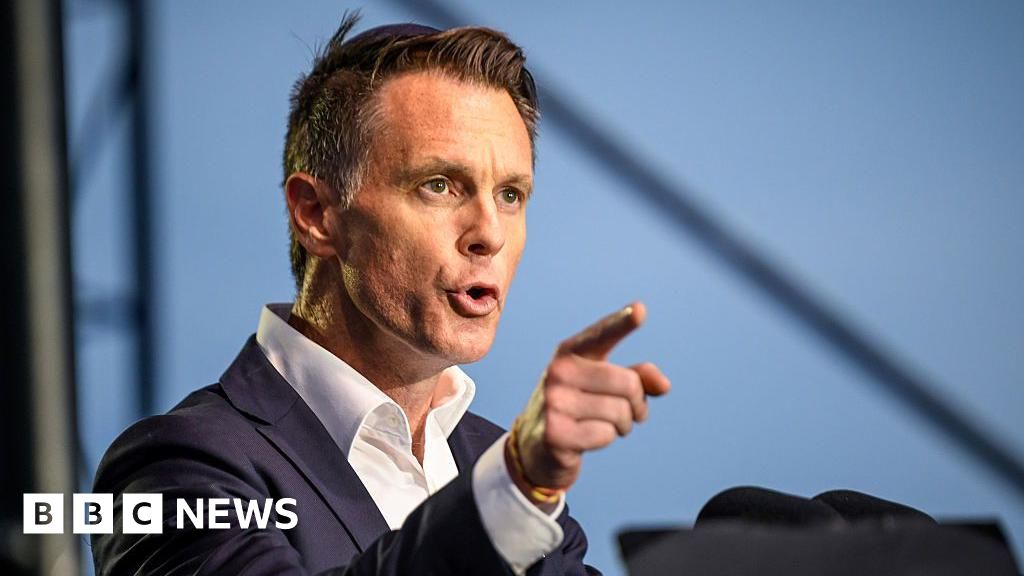
Civil rights groups and pro-gun advocates in Australia have raised concerns that new fast-tracked laws will place undue restrictions on firearms and protests in the wake of the Bondi shootings.
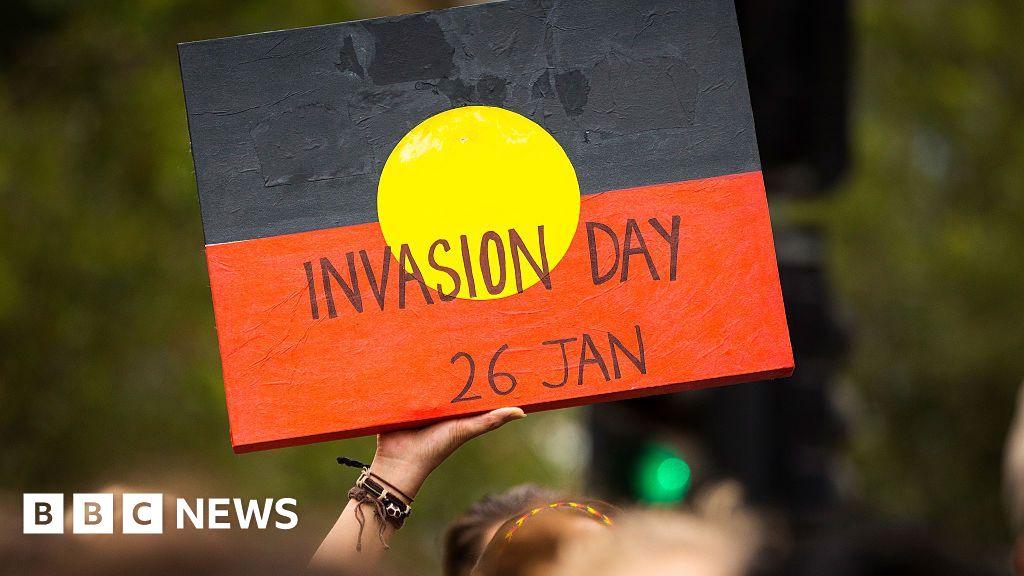
On Monday, the Australian state of New South Wales (NSW) recalled its parliament to debate a raft of new laws such as banning the phrase “globalise the intifada”, limiting the number of guns one person can own, and greater police powers for protests.
NSW Premier Chris Minns said some may feel the changes had “gone too far” but they were needed to keep the community safe.
A pro-gun politician said the laws unfairly target law-abiding gun owners while civil libertarians said restrictions on protests were an affront to democracy.
On banning the “intifada” phrase, Minns said its use at protests in Australia and around the world “are a call to a global intifada. That is what it means. Not in the Middle East, not in Israel or Gaza but here in Sydney”.
“I do believe it leads to a culture and environment of heightened disunity,” he said, and “an invitation to violence”.
The term intifada came into popular use during the Palestinian uprising against Israeli occupation of the West Bank and Gaza Strip in 1987.
Some have described the term as a call for violence against Jewish people. Others have said it is a call for peaceful resistance to Israel’s occupation of the West Bank and actions in Gaza.
In the aftermath of the Bondi attacks, in which 15 people were killed, the Jewish community accused the government of not doing enough to protect it from rising antisemitism.
The new protest laws will also allow police to restrict demonstrations at places of worship, with stronger penalties for breaches.
Timothy Roberts, president of the NSW Council for Civil Liberties, said the new law ignores a recent decision by the state’s supreme court which found the so-called “move-on power” at religious locations went against Australia’s implied constitutional freedom of political communication.
Religious institutions exercise significant and overt political power in Australian politics and this makes them a legitimate site of protest in a democratic society, Mr Roberts said.
“The laws introduced today are an affront to our right to assemble and communicate with each other,” he said, adding they “damage our democracy”.
He said Minns wants social cohesion but he does not know the meaning of the term.
“He thinks silence is peace, and does not seem to realise it can also reflect oppression. Passing laws that oppress some parts of our community in the wake of an attack like we saw, does not bring us closer – it drives us further apart and stops us from healing well in this time of grief.”
Police will also be able to remove face coverings from protesters who are suspected of committing an offence – including low-level offences – during a protest.
Previously, police could only do so if someone is arrested or suspected of committing an indictable offence.
On gun reform, the new laws will mean licence holders in NSW cannot own more than four firearms with exceptions for farmers and sport shooters who can have up to ten.
The move follows similar laws introduced in Western Australia earlier this year to cap gun ownership. Elsewhere across the country, there are no limits.
One of the gunmen in the Bondi shooting, Sajid Akram, had six registered firearms.
Other gun law changes include more regular renewals for gun licence holders from every five years to every two years, and a review of the types of firearms available to most gun owners.
Mark Banasiak from the Shooters, Fishers and Farmers party – which lobbies for more relaxed gun laws – said the state’s 260,000 gun licence holders were being “punished” and “made a scapegoat for agency failings”.
“We’re diverting away from what the real problem is,” he said, referring to “a climate of hate and division that’s been allowed to fester for two and a half years because government haven’t done enough to stop that.”
Walter Mikac, whose wife and two young daughters were among the 35 people shot dead in Tasmania by a lone gunman in 1996 in what is Australia’s deadliest mass shooting, welcomed the reforms.
The changes will “close critical gaps in our gun laws” and put community safety first, he said.
The government also aims to crackdown on hate speech and symbols, as well as enabling police to ban protests for up to three months after a terrorist attack.
Palestine Action Group spokesperson Josh Lees said the new laws were “incredibly draconian”.
“Australia is seen as a safe country,” he said, “where freedom of speech is very important” but the Bondi shooting was “perhaps changing the dynamics of that democracy and that freedom”.
David Ossip, president of the NSW Jewish Board of Deputies, said moves to ban “intifada” chants was a “watershed moment” in confronting hate and incitement.
He also welcomed greater police powers during protests.
“The right to protest is a core Australian value and a fundamental tenet of a democratic society,” he said.
“But it has never included the right to hide your face and shout slogans calling for violence against one’s fellow Australians or waving the flags of groups devoted to murder and destruction.”
Additional reporting by Katy Watson