
Air Force outlines acquisition changes supporting Hegseth mandate
The Department of the Air Force has named five officials to lead some of its most critical programs as
The Department of the Air Force has named five officials to lead some of its most critical programs as its first portfolio acquisition executives. The executives will have more authority to make important decisions and speed up the procurement process.
The officials, who were formerly program executive officers, will oversee the Air Force’s command, control, communications and battle management; fighters and advanced aircraft; nuclear command, control and communications; propulsion; and weapons sectors, the department said in a Thursday announcement.
These moves are the first of a slate of changes to the Air Force’s acquisition processes intended to get new weapons systems in the hands of warfighters faster, and open up more opportunities to smaller and non-traditional businesses. They follow the new approach Defense Secretary Pete Hegseth outlined in a November speech to turn the Pentagon’s sluggish procurement process into a more nimble Warfighting Acquisition System.
“This transformation is a generational opportunity for the Department of the Air Force,” Air Force Sec. Troy Meink said in the Thursday statement. “It enables us to holistically reform our enterprise — from requirements, to acquisition, to test — in order to support the rapid and efficient development of our warfighting capabilities in order to get the operators what they need, when they need it.”
The new cadre of PAEs will be solely responsible for how their portfolios perform, Hegseth said in his November speech at the National War College in Washington, and will “have the authority to act without running through months or even years of approval chains.” They will have the power to decide how best to balance cost, schedule and performance of a new system, with an eye toward getting those systems out quicker and better mission performance, he said.
Meink pledged to ensure those portfolio executives and their teams have “the authority, the resources and the talent” to carry out their missions successfully.
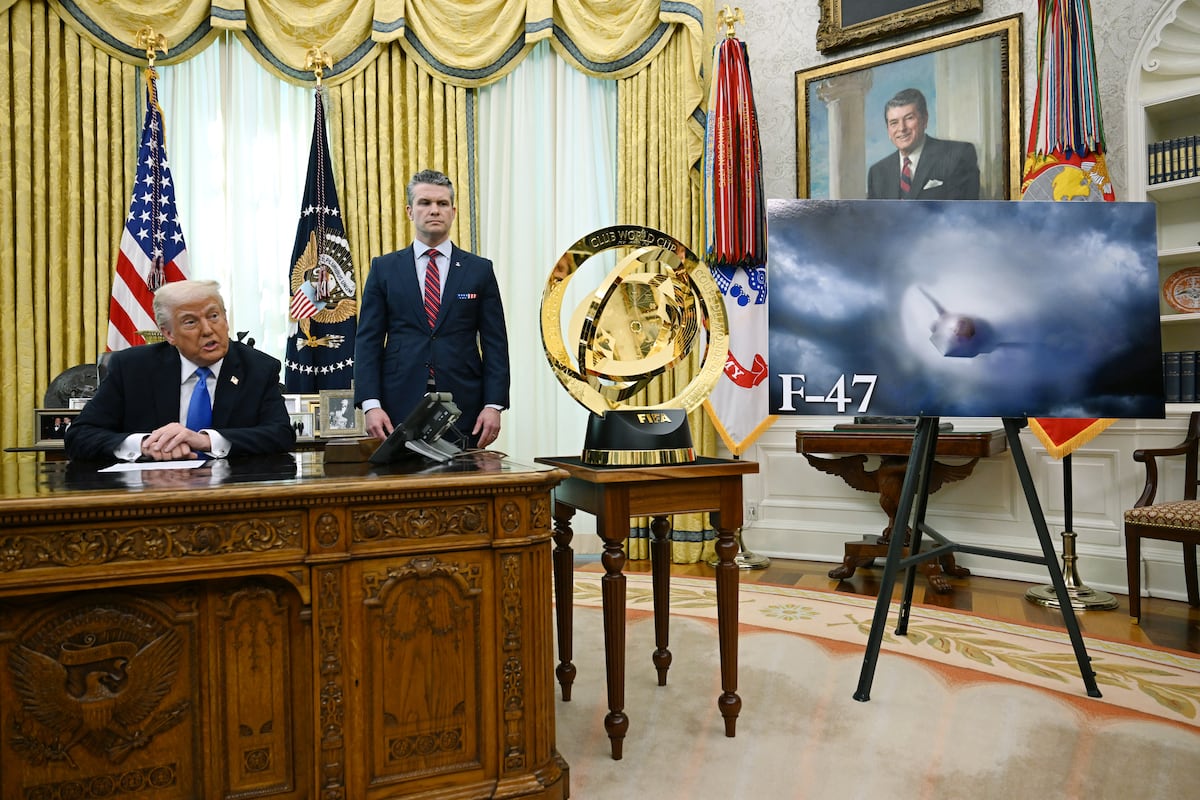
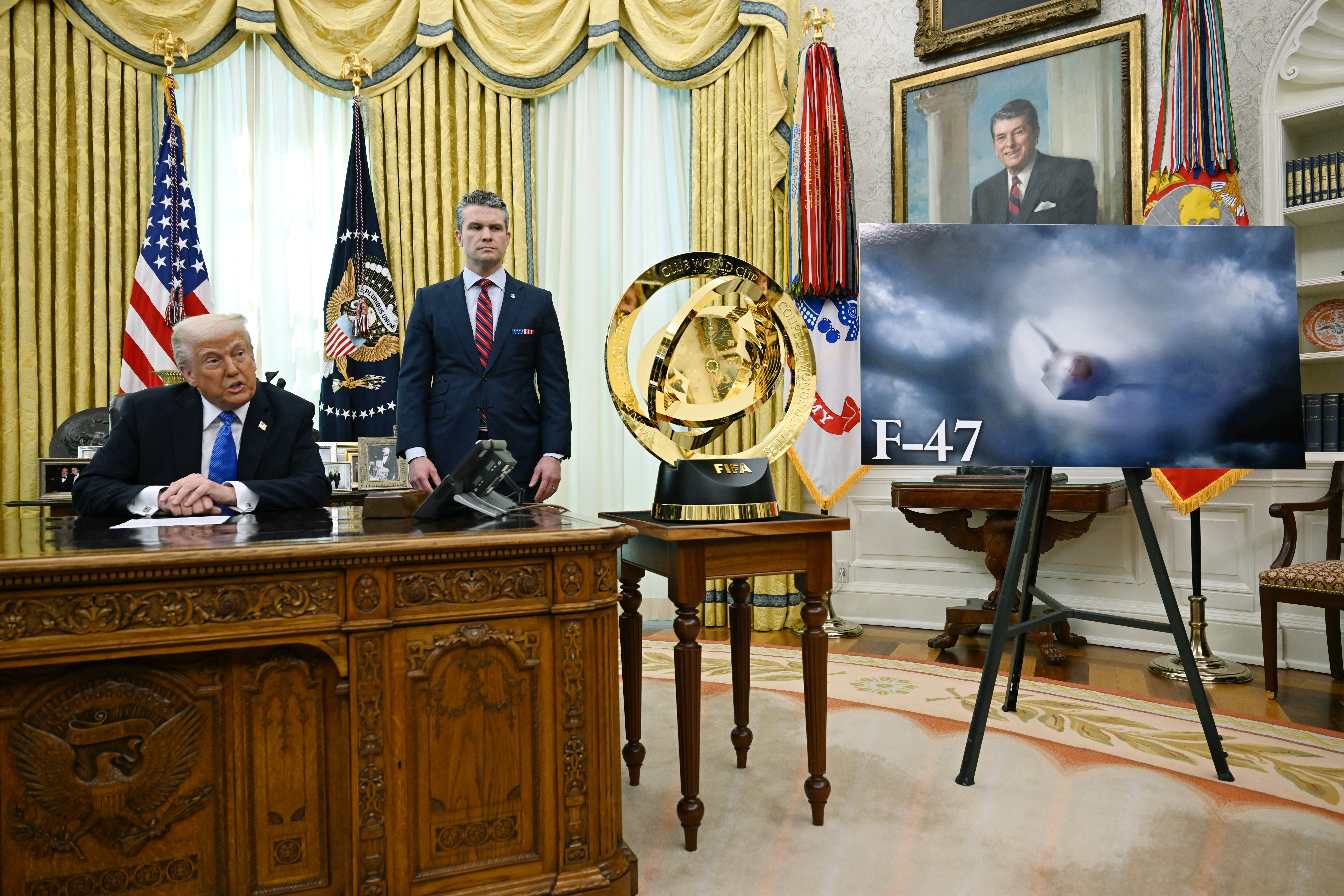
These PEOs-turned-PAEs are in charge of vital programs the Air Force sees as necessary to fight and win a future war. Brig. Gen. Jason Voorheis, for example, has been the PEO for fighters and advanced aircraft, and is in charge of programs such as the drone wingmen fleet known as collaborative combat aircraft and the next-generation F-47 fighter.
The Air Force said these changes will empower its workforce, streamline processes, strengthen partnerships with industry, and better integrate how the service manages its portfolios.
“This acquisition transformation is not just about buying things faster,” William Bailey, who is performing the duties of the assistant secretary of the Air Force for acquisition, technology and logistics. “It’s a fundamental overhaul of our culture to empower our airmen, unleash innovation, and deliver the integrated capabilities we need to deter and, if necessary, defeat our adversaries.”
Bailey said that changing PEOs into PAEs will push the authority and accountability down to the mission level.
“We are telling our leaders, ‘You own this mission set,’” Bailey said. “For the airman on the flightline, this means getting the tools they need before they become obsolete. The move unlocks their expertise, cuts through bureaucracy, and ensures our acquisition enterprise is fully integrated with the warfighters’ needs at all times.”
The Space Force has also decided to name space access as well as space based sensing and targeting as the first mission areas to be assigned portfolio acquisition executives.
“Acquisition is now a warfighting function,” Maj. Gen. Stephen Purdy, the Space Force’s acting assistant secretary of the Air Force for space acquisition and integration. “Our ‘commercial first’ approach allows us to harness the incredible innovation happening in the private sector, getting cutting-edge technology into the hands of our guardians at the speed of a startup, not a bureaucracy. This is how we maintain our edge.”
Purdy said the Space Force will use iterative development — a process where a new system is refined and improved in repeated phases, rather than waiting for it to be completely done before delivery — and rapid fielding to get systems in use quicker.
“Speed with discipline is our mantra,” Purdy said. “We continue to empower our acquisition corps to be experts who can manage risk and deliver capability through rapid, iterative cycles.”
Stephen Losey is the air warfare reporter for Defense News. He previously covered leadership and personnel issues at Air Force Times, and the Pentagon, special operations and air warfare at Military.com. He has traveled to the Middle East to cover U.S. Air Force operations.