


A hidden climate shift may have sparked epic Pacific voyages 1,000 years ago
A new study led by the University of Southampton and University of East Anglia (UEA) points to a major
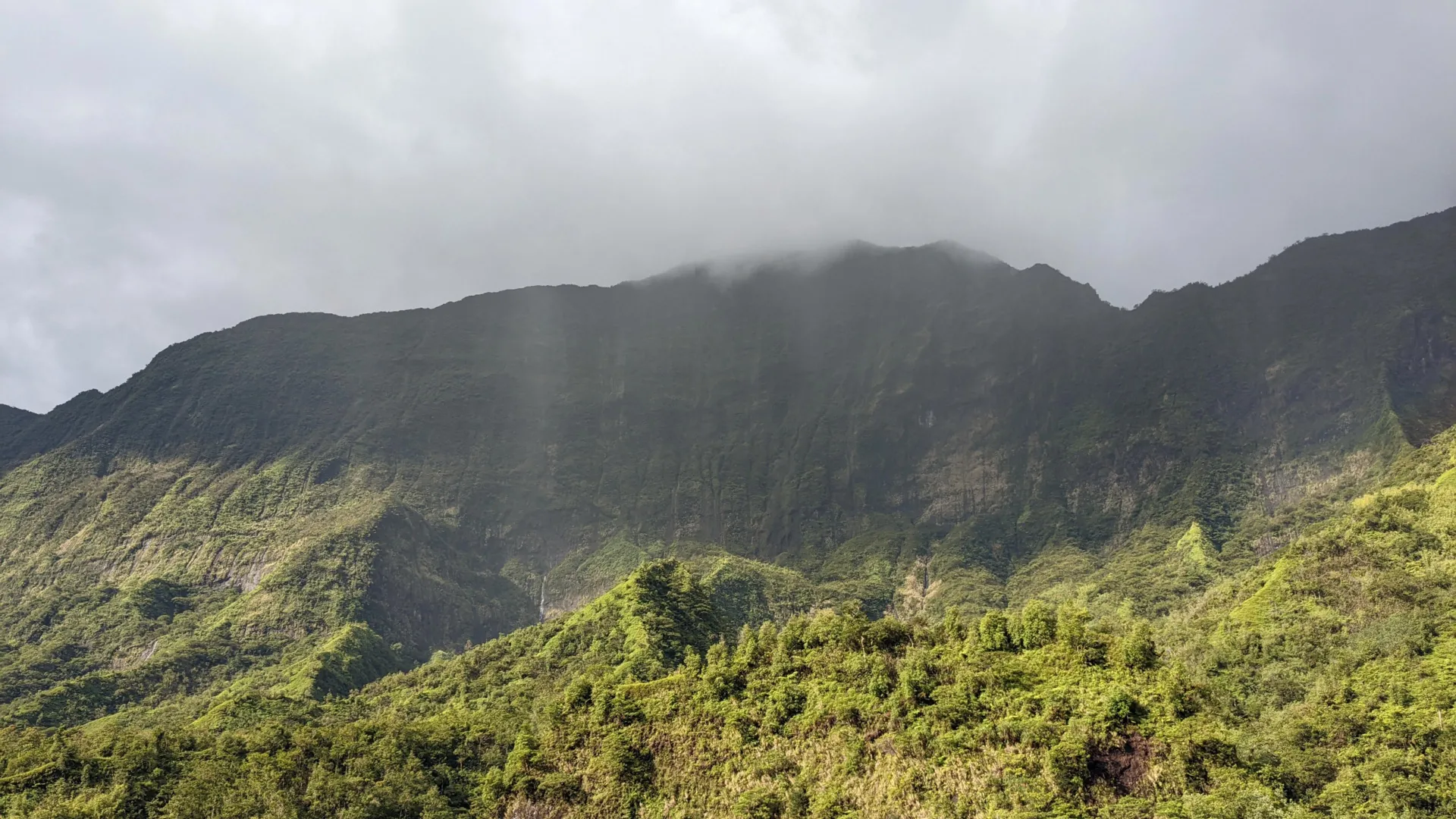
A new study led by the University of Southampton and University of East Anglia (UEA) points to a major change in South Pacific climate conditions, beginning around 1,000 years ago, that may have encouraged people to move and settle farther to the east. The research suggests that as parts of the western region became steadily drier, communities may have been pushed to seek out islands with more dependable rainfall.
The team reports that inhabited islands in Western Polynesia, including Samoa and Tonga, experienced drying over time. Meanwhile, islands farther east in Eastern Polynesia, such as French Polynesia (Tahiti), gradually became wetter, potentially making them more appealing places to live and farm.
The work is part of a larger Southampton and UEA collaboration known as PROMS (Pacific Rainfall over Millennial Timescales), which investigates how Pacific rainfall has shifted over long periods and how those changes may have influenced human migration.
The findings are published in the journal Nature: Communications Earth and Environment.
Evidence from PROMS and the idea of “chasing the rain”
Principal Investigator for PROMS, Professor David Sear comments: “The Pacific Islands today are under threat from changing climate, but we can see from our research that this is not the first time the inhabitants of the region have had to adapt to a changing climate.
“Our research suggests that beginning around 1,000 years ago, people in the region were effectively chasing the rain eastwards as part of adapting to the stress placed on growing populations by a period of drier conditions developing in the western South Pacific.”
Plant wax clues and 1,500 years of rainfall history
To reconstruct past rainfall, researchers collected sediment cores from Tahiti and Nuku Hiva in Eastern Polynesia and examined plant waxes — fatty layers left on leaves. Advanced laboratory testing of these waxes can indicate how wet or dry conditions were at the time the plants grew. The team then combined these new results with other climate records from around Polynesia and the wider Pacific.
Using this high-resolution dataset, the researchers estimated how rainfall patterns across the Pacific changed over the last 1,500 years. They also used new climate model simulations to pinpoint when and where the rainfall shift happened, and to identify the most likely driver behind it.
The team concludes that the most probable cause was a natural change in sea surface temperature patterns across the Pacific, which appears to have nudged the South Pacific Convergence Zone (SPCZ) eastward between approximately 1,100 and 400 years ago. The SPCZ is one of the largest structures in the global climate system, forming a high-rainfall zone that stretches more than 7,000 km from Papua New Guinea to beyond the Cook Islands. In the shift identified by this study, the western end of this rainfall band became increasingly dry, while the eastern end became wetter.
Migration push and pull as freshwater changed
Researchers say the long-term drying in the west could have acted as a “push,” making life more difficult where populations were already established. At the same time, rising rainfall and improved freshwater availability in the east could have created a “pull” toward settling new islands. The study suggests this climate pattern may have helped motivate people to travel step by step farther east, including to islands such as the Cooks and Tahiti.
Co-lead author on the paper, Dr. Mark Peaple of the University of Southampton says: “The timing and nature of the hydroclimatic change align with the final wave of human settlement into Eastern Polynesia, which began around 1000 years ago.
“Water is essential for people’s survival, for drinking and successful agriculture. If this vital natural resource was running low, it’s logical that over time the population would follow it and colonize in areas with more reliable water security — even if this meant adventurous journeys across the ocean.”
Co-lead author at UEA, Dr. Daniel Skinner adds: “Bringing together knowledge from paleoclimate archives and climate models has given us key insights into how and why a critically understudied region of the world changed over the last 1,500 years.”
Co-Principal Investigator Professor Manoj Joshi, also from UEA, says: “By better understanding how the climate of the South Pacific has been affected by larger-scale climate changes over past millennia, we can build better predictions for how future climate change will affect the region.”
What comes next and who supported the fieldwork
The researchers say additional studies, including further archaeological work, could help narrow down the timing and scale of both environmental shifts and social changes across the South Pacific.
Fieldwork was supported by Explorer grants from National Geographic Society.