Ukraine arrests two Russian spies inspecting Oreshnik missile damage
[ad_1] BERLIN — Ukraine claims to have detained two Russian spies who were involved in scoping out the damage

[ad_1]
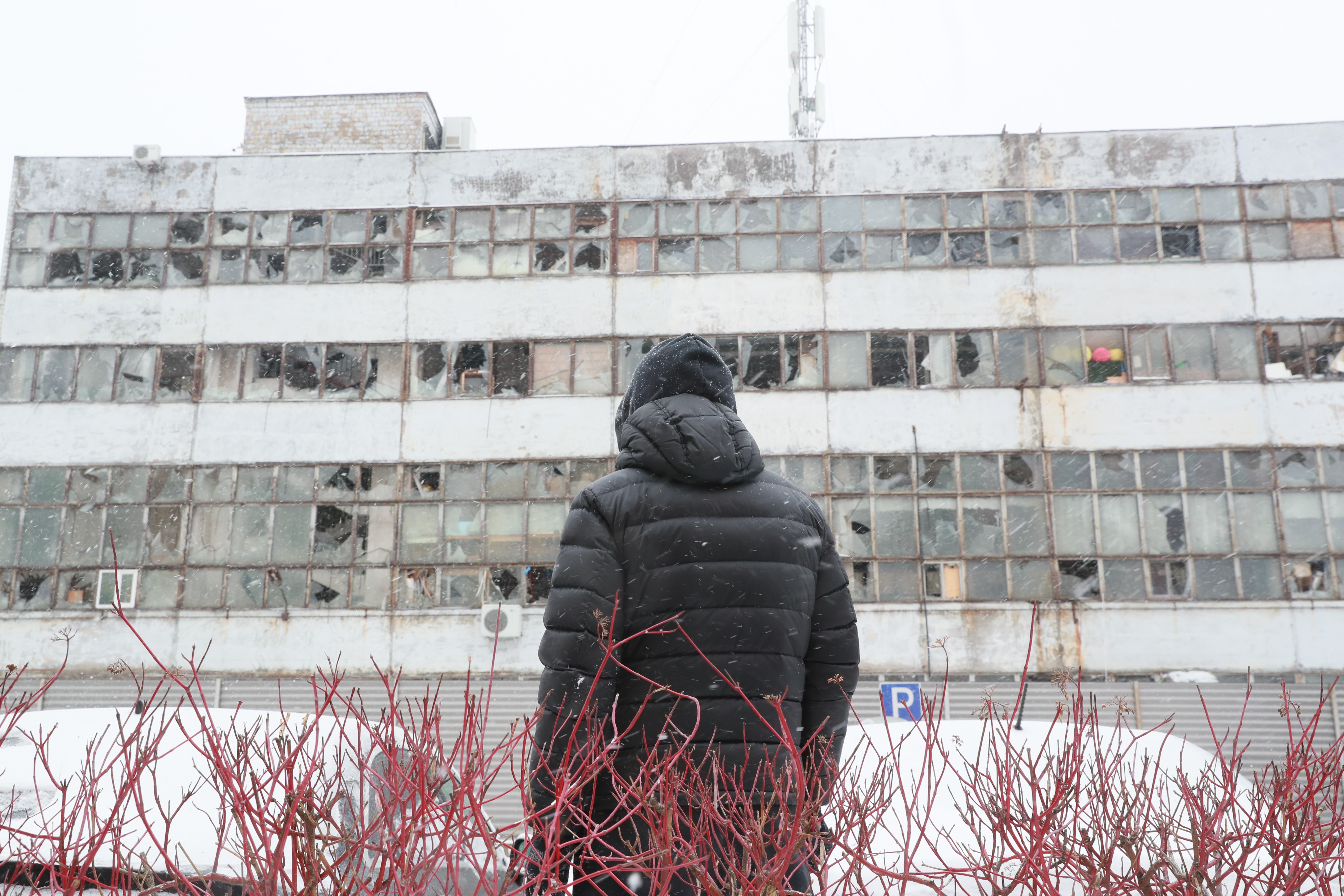
BERLIN — Ukraine claims to have detained two Russian spies who were involved in scoping out the damage caused by Moscow’s Oreshnik ballistic missile in Lviv.
Ukraine’s security service, the SBU, said in a statement the suspects were a 64-year-old from the southwestern Transcarpathia region of Ukraine and his 22-year-old unemployed neighbor. The arrest was announced in the morning of Thursday, local time.
According to the SBU, the agents were working for Russia’s military intelligence, the GRU, and were tasked with collecting data on the damage done by the nuclear-capable Oreshnik cruise missile.
The junior partner in the spy duo traveled from Transcarpathia to Lviv, where the rocket had struck in the night to Jan. 9, and then “gradually passed by the locations in the area of the rocket attack, took photos of them, and recorded the coordinates on Google Maps,” according to the SBU. The older man, who had remained in his home in the southwestern Ukranian city of Mukachevo, took possession of the information collected and passed it on to Russian handlers.
Ukrainian intelligence said that the 64-year-old had been “recruited remotely” by Russian intelligence.
“According to available data, the Russians needed information about the scale of destruction of Ukrainian facilities after the strike in order to use it in their information and psychological special operations and to plan new attacks on the region,” the SBU said in its press release.
Ukrainian authorities said they detained both men simultaneously, the senior agent at his home in Mukachevo and the junior one while again snooping around the missile impact site in Lviv.
The Oreshnik is a Russian intermediate-range ballistic missile considered a significant step up in missile technology. It was first used in combat in November 2024 against Ukraine, marking the first known combat use of MIRVs − Multiple Independently Targetable Reentry Vehicles. The missile can carry up to 36 submunitions, either nuclear or conventional, in a six-MIRV configuration. Combined with the high reentry speeds of around ten times the speed of sound, this makes it difficult to intercept.
There has been no public reaction by Russian authorities to the reported arrests in Ukraine.
Linus Höller is Defense News’ Europe correspondent and OSINT investigator. He reports on the arms deals, sanctions, and geopolitics shaping Europe and the world. He holds a master’s degrees in WMD nonproliferation, terrorism studies, and international relations, and works in four languages: English, German, Russian, and Spanish.
[ad_2]
Source link